COVID-19 And The Risk Of Pulmonary Venous Thromboembolism/م.د علي رضا
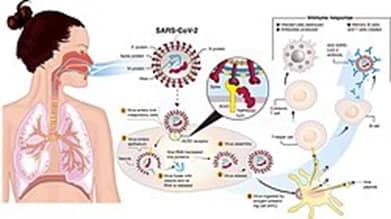
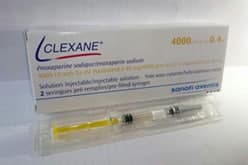
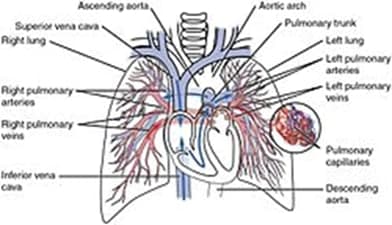
Coronavirus disease 2019 (COVID-19) is a contagious disease caused by severe acute respiratory syndrome coronavirus 2 (SARS-CoV-2)..<br />Symptoms of COVID‑19 are variable, but often include fever, cough, headache, fatigue, breathing difficulties, loss of smell, and loss of taste. most (81%) develop mild to moderate symptoms (up to mild pneumonia), while 14% develop severe symptoms (dyspnea, hypoxia, or more than 50% lung involvement on imaging), and 5% suffer critical symptoms (respiratory failure, shock, or multi-organ dysfunction).<br />A high incidence of thrombosis and venous thromboembolism have been found in people transferred to Intensive care units (ICU) with COVID‑19 infections, and may be related to poor prognosis. Blood vessel dysfunction and clot formation (as suggested by high D-dimer levels caused by blood clots) activation of complements, are thought to play a significant role in pathology , incidences of clots leading to pulmonary embolisms, have been noted as complications leading to death in people infected with SARS-CoV-2 <br />Thromboprophylaxis should be started in all patients with suspected or confrmed COVID-19 admitted to the hospital. The use of an intermediate therapeutic dose of low molecular weight (LMWH) or unfractionated heparin can be considered on an individual basis in patients with multiple risk factors for venous thromboembolism, including critically ill patients admitted to the ICU. Decisions about extending prophylaxis with LMWH after hospital discharge should be made after balancing the reduced risk of venous thromboembolism (VTE) with the risk of increased bleeding events and should be continued for 7–14 days after hospital discharge or in the pre-hospital phase in case of pre-existing or persisting VTE risk factors.<br /> . Therapeutic anticoagulation is the cornerstone in the management of patients with PE. Selection of an appropriate agent and correct dosing requires consideration of underlying comorbidities.<br />