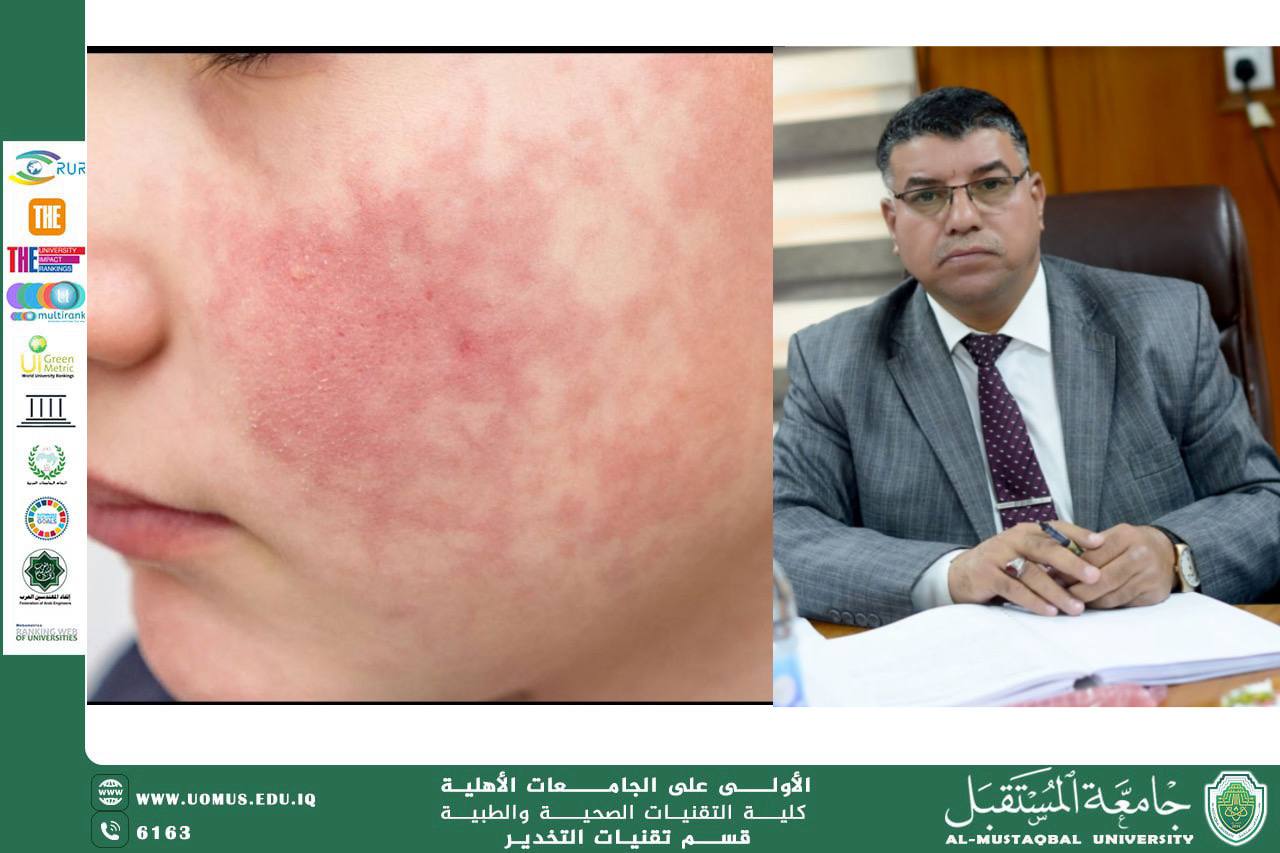
Rubella (German Measles)
Rubella, also known as German measles, is a contagious viral infection that usually causes mild or even asymptomatic disease. However, it is extremely dangerous if contracted during pregnancy, as it can lead to Congenital Rubella Syndrome (CRS), which may cause multiple fetal malformations, such as heart defects, hearing loss, and vision problems.<br /><br />Symptoms:<br /><br />Rash: The main symptom is a pink or light red rash, usually starting on the face or behind the ears, then spreading to the rest of the body. It typically fades within about three days—hence the nickname “three-day measles.”<br />Other possible symptoms: Low-grade fever, headache, sore throat, runny nose, swollen lymph nodes (especially behind the ears), joint pain (more common in adults), and conjunctivitis (pink eye).<br />Asymptomatic infection: 25–50% of cases may show no symptoms, yet infected individuals can still transmit the virus.<br /><br />Forchheimer spots: Small red spots that may appear on the soft palate in about 20% of cases, sometimes preceding the rash.<br /><br />Difference from Measles:<br /><br />Despite similar names, rubella differs from measles (rubeola) in the causative virus and severity. Measles is more contagious and causes more severe symptoms.<br /><br />Complications and Pregnancy Risks:<br /><br />In adults: Infection may cause arthritis, encephalitis, neuropathies, or temporary weakness.<br />Pregnancy risks: Infection during pregnancy, especially in the first trimester, can severely affect the fetus, leading to miscarriage or congenital anomalies, including heart defects, hearing or vision loss, brain inflammation, and organ failure.<br /><br />Prevention and Treatment:<br /><br />MMR Vaccine: The combined vaccine against measles, mumps, and rubella is the most effective prevention. Two doses provide about 97% protection against rubella.<br />The first dose is usually given at 12–15 months of age.<br />The second dose is given at 4–6 years of age.<br />Protection during pregnancy: Pregnancy should ideally be delayed until immunity is confirmed. If a woman contracts rubella during pregnancy, monitoring and testing are essential.<br />Supportive treatment: There is no specific antiviral treatment for rubella. Symptom relief involves rest, hydration, and medications such as acetaminophen or ibuprofen if needed.<br /><br />Conclusion : <br /><br />Basic facts: Usually mild, but dangerous during pregnancy.<br />Symptoms: Pink rash, swollen lymph nodes, cold-like symptoms.<br />Asymptomatic infection: Yes, and still contagious.<br />Pregnancy complications: Serious congenital defects.<br />Prevention: Highly effective MMR vaccine.<br />Treatment: Supportive care only, no specific antiviral therapy.<br /><br />Dr. Ahmed Khudair Al-Humairi<br /><br />Al-Mustaqbal University<br />The First University in Iraq.