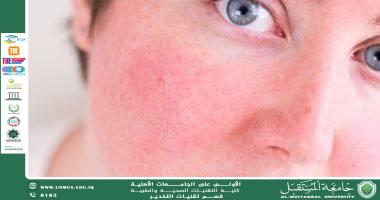
Allergies in Adolescents During Puberty: Causes and Immune Changes in the Hormonal Transition Phase
Puberty represents a critical turning point in human life, characterized by significant hormonal, physical, and psychological changes. During this period, an increase in allergic conditions—skin, respiratory, or food allergies—has been observed, which can affect adolescents’ quality of life, academic performance, and psychological development. Recent studies indicate a strong link between hormonal and immune changes during puberty and increased susceptibility to allergic diseases.<br /><br />1. Nature of Allergies and Their Development During Puberty:<br />Allergies are overreactions of the immune system to substances usually harmless, such as dust, food, or pollen. During puberty, rising levels of hormones like estrogen and testosterone alter immune system balance, increasing the risk of exacerbating allergic conditions such as asthma, allergic rhinitis, and eczema.<br /><br />2. Causes and Contributing Factors:<br />a. Hormonal and Immune Changes: Sex hormone fluctuations affect the balance between Th1 and Th2 immune cells, enhancing Th2 activity linked to allergies.<br />b. Genetic and Environmental Factors: Genetics plays a major role—if a parent has allergies, the child’s risk increases by 40%. Exposure to pollutants and lack of beneficial microbes also raise the risk.<br />c. Psychological and Emotional Stress: Mood disturbances and stress during puberty can disrupt the immune system and intensify allergic symptoms.<br /><br />3. Common Types of Allergies During Puberty:<br /> • Allergic asthma, especially in polluted environments.<br /> • Allergic rhinitis, which may be seasonal or persistent.<br /> • Eczema, which may worsen or reappear during puberty.<br /> • Food allergies, due to changes in immune and digestive responses.<br /><br />Understanding the link between puberty and the development of allergies is a health and educational priority. Health and educational institutions should promote awareness of early diagnosis, medical follow-up, proper nutrition, and stress reduction to support adolescents’ balanced growth.<br /><br />Ali Rasul Hussein<br /><br />Al-Mustaqbal University <br />The First University in Iraq.