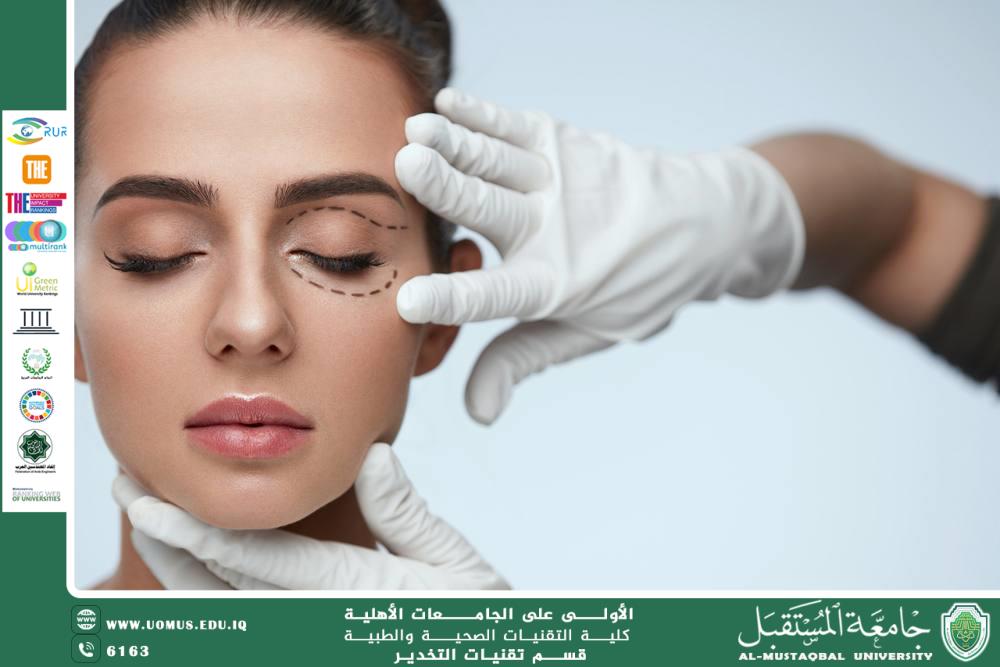
The Psychological Impact of Plastic Surgery
Introduction:<br /><br />While plastic surgery can bring physical transformation, the psychological impact of surgery can be profound. This article will explore how plastic surgery can affect a person’s self-esteem, body image, and mental health.<br /><br />Key Areas to Cover:<br /><br />- Psychological Benefits of Plastic Surgery:<br />Many patients report an improvement in self-esteem and overall quality of life after surgery. For instance, people who undergo procedures to correct congenital deformities or injuries often experience a significant improvement in mental health as they feel more confident in their appearance.<br /><br />- Body Dysmorphic Disorder (BDD) and Plastic Surgery:<br />Some individuals suffer from Body Dysmorphic Disorder, a condition where a person is excessively preoccupied with perceived flaws in their appearance. For these patients, plastic surgery can sometimes exacerbate their psychological issues, as it may not address the underlying psychological causes of their distress.<br /><br />- Surgeon-Patient Interaction:<br />The role of the plastic surgeon extends beyond physical changes. Surgeons must be aware of the psychological factors influencing a patient's decision to undergo surgery. It is important to ensure that the patient has realistic expectations and is undergoing surgery for the right reasons, to avoid regret and dissatisfaction.<br /><br />- Preoperative Psychological Assessment:<br />Many plastic surgery practices are now incorporating preoperative psychological assessments to identify patients who may have unrealistic expectations or underlying mental health conditions. This process helps surgeons to make more informed decisions about whether to proceed with surgery.<br /><br />- Postoperative Support and Counseling:<br />After surgery, psychological support is crucial for some patients, especially when the results differ from expectations or when complications arise. Offering counseling and ongoing support can improve patient satisfaction and mental health outcomes.<br /><br />Conclusion:<br /><br />The psychological impact of plastic surgery is a critical aspect of the overall patient experience. Plastic surgeons must address not only the physical but also the emotional needs of their patients to ensure long-term satisfaction and well-being.<br /><br />Dr. Hussein safaa <br /><br />Al-Mustaqbal University <br />The First University in Iraq.