Anesthesia: From Past to Present – A Journey Towards Safe Surgery
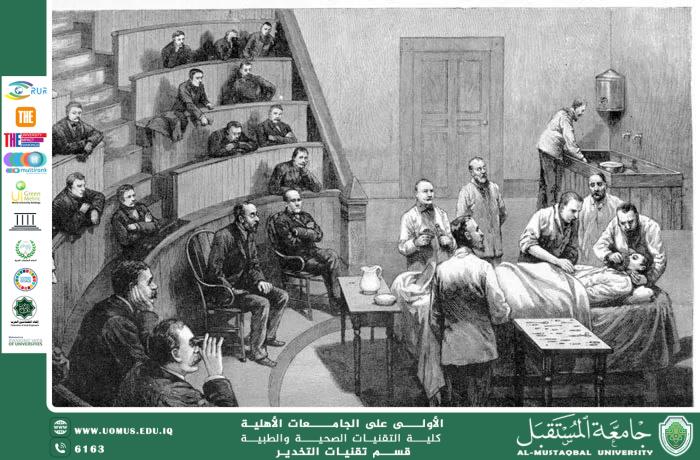
Anesthesia is one of the greatest achievements of modern medicine, enabling surgeons to perform operations without pain after a long journey of primitive experiments and risks.<br /><br />In ancient times, the Egyptians used herbs such as cannabis and poppy, while the Chinese physician Hua Tuo employed opium-based drinks to sedate patients before surgery. In Europe, anesthesia methods were limited and imprecise, often resulting in serious complications.<br /><br />Scientific discovery of anesthesia began in the mid-19th century when William T. G. Morton performed the first successful public surgery using ether in 1846, followed by the use of chloroform by James Simpson in 1847, despite ongoing risks from poor ventilation and overdose.<br /><br />Modern anesthesia saw significant advances in the 20th century with the introduction of vital sign monitoring devices and safer drugs such as propofol and fentanyl, along with local and epidural anesthesia techniques. In recent years, smart anesthesia using artificial intelligence has emerged to reduce errors and increase safety. A study published in the British Journal of Anaesthesia in 2019 reported that anesthesia-related mortality in developed countries dropped to less than 1 per 100,000 surgeries.<br /><br />The evolution of anesthesia exemplifies how scientific progress can improve quality of life, transforming surgery from a painful experience into a precise and safe procedure, with further advances expected through digital technologies and artificial intelligence.<br /><br />Ali Rasul Hussein<br /><br />Al-Mustaqbal University <br />The First University in Iraq.