Internet of Things (IoT) and Its Role in Integrating Software with Smart Devices
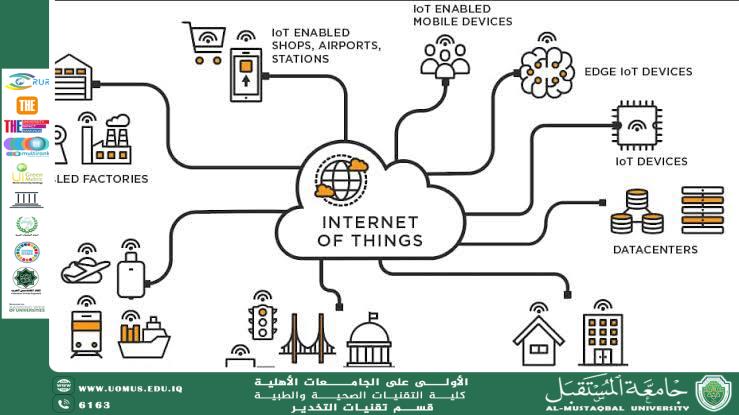
Introduction<br /><br />With the rapid advancement of digital technology, the Internet of Things (IoT) has emerged as one of the most influential concepts, revolutionizing the tech world. It enables the connection of various smart devices through the internet, allowing them to collect, exchange, and analyze data in real time. This interconnection is no longer limited to phones and computers but extends to smart homes, smart cities, healthcare, and industry. At the core of this system, software plays a vital role in managing and integrating smart devices to create an efficient and interconnected environment.<br /><br />Concept of IoT<br /><br />The Internet of Things refers to a broad network of devices connected to the internet that can communicate with each other directly or through intermediary platforms. These devices include:<br /> • Household devices (e.g., air conditioners, refrigerators, and smart lighting).<br /> • Medical devices (e.g., blood pressure monitors and heart rate sensors).<br /> • Industrial devices (e.g., sensors in production lines).<br /> • Smart city systems (e.g., traffic management and environmental monitoring sensors).<br /><br />The Role of Software in Integrating Smart Devices<br /><br />The importance of software lies in its role as the central link between smart devices and networks. Software contributes to:<br /> 1. Data Management: Collecting data from devices and transforming it into meaningful information.<br /> 2. Device Communication: Providing standardized protocols for seamless data exchange.<br /> 3. Data Analysis: Using artificial intelligence (AI) and machine learning (ML) to extract patterns that support decision-making.<br /> 4. Cybersecurity: Securing communication channels between devices to protect data from threats.<br /> 5. User Interface: Offering easy-to-use applications for remote control of smart devices.<br /><br />Applications of Software Integration with Smart Devices<br /><br /> • Smart Homes: Controlling lighting or air conditioning through smartphones.<br /> • Healthcare: Monitoring patients’ conditions through sensor devices connected to medical applications.<br /> • Smart Manufacturing: Tracking production lines and reducing downtime using analytical software.<br /> • Smart Transportation: Managing traffic and accurately tracking buses or vehicles.<br /><br />Challenges<br /><br />Despite its vast benefits, integrating software with smart devices faces several challenges, including:<br /> • Data Security: Increased risk of cyberattacks with more connected devices.<br /> • Standardization Issues: Multiple manufacturers make device interoperability more complex.<br /> • Infrastructure Needs: Strong and fast networks, such as 5G, are required.<br /> • Cost: High costs of deploying and maintaining IoT systems.<br /><br />Conclusion<br /><br />The Internet of Things represents a true revolution in technology, making smart devices more capable of interacting with their surroundings through advanced software integration. Despite existing challenges, the future promises broader IoT applications in various fields, contributing to improved quality of life, higher business efficiency, and greater innovation.<br /><br />Duha Ali Khudair<br /><br />Al-Mustaqbal University<br />The First University in Iraq.