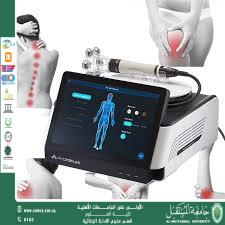
Benefits of Using Laser in Medicine and Its Role in Enhancing Healthcare (Asst. Prof. Dr. Sami Abdul Hussein Habana)
The benefits of using laser technology in the medical field have significantly contributed to improving the quality of healthcare and reducing complications associated with traditional procedures. Laser treatments are characterized by their high precision, allowing for highly accurate therapeutic procedures while minimizing damage to surrounding tissues. This results in shorter recovery times and more effective outcomes. Additionally, the use of lasers helps reduce the pain patients experience during and after medical procedures, thanks to the ability of the laser beam to directly target the treatment area without the need for large incisions.<br /><br />Moreover, laser techniques reduce bleeding during operations due to their ability to coagulate small blood vessels, enhancing patient safety and lowering the risk of infection. Lasers are particularly valuable for conditions that require exceptional precision, such as eye surgery and dermatological treatments, enabling physicians to perform procedures quickly and accurately without the need for general anesthesia. This minimizes health risks and accelerates recovery. Furthermore, laser applications in cosmetic and advanced medical surgeries have expanded treatment possibilities, providing less invasive and less painful solutions, leading to higher patient satisfaction. Overall, the adoption of modern laser technologies represents a major leap forward in healthcare delivery, improving treatment outcomes and reducing side effects, underscoring the importance of this specialty in advancing modern medicine.<br /><br />4.1. Treatment Precision<br />Treatment precision is one of the most important advantages of medical lasers, as they can be controlled with extreme accuracy to meet the requirements of different cases. This precision largely depends on laser properties such as wavelength, energy, and pulse duration, allowing doctors to target affected areas with minimal harm to surrounding tissues. This feature is especially critical in delicate surgical operations, such as eye or skin surgery, where precise targeting plays a key role in achieving satisfactory results and minimizing complications.<br /><br />Moreover, precise control over the intensity and pulse duration of the laser enables physicians to customize treatments according to the severity of the condition and the type of tissue being treated, thereby improving recovery rates and reducing healing time. This high level of accuracy also allows for repeated procedures without requiring multiple surgical interventions, reducing risks associated with traditional methods. In addition, technological advancements and continuous improvements in laser systems have increased treatment accuracy, making it possible to target even the smallest points precisely. This supports multiple applications, from treating small tumors to performing highly precise cosmetic procedures, all while maintaining safety and efficacy. Achieving this precision, however, requires specialized training and technical expertise to ensure optimal use of the equipment and minimize the possibility of errors. Thus, the adoption of highly precise laser technologies is a cornerstone in improving medical outcomes, enhancing safety, and reducing complications, reflecting the ongoing evolution of this critical field.<br /><br />4.2. Pain Reduction<br />Pain reduction is one of the most significant advantages offered by medical laser technology during various treatments, allowing doctors to perform procedures more comfortably and professionally for patients. This reduction in pain is due to the laser’s ability to minimize tissue damage and inflammation, which shortens recovery time and lowers the need for pain medication after treatment. The precise and controlled application of laser technology allows for better control over the depth and scope of treatment, significantly reducing pain during procedures.<br /><br />Additionally, modern laser devices are designed with multiple energy modes, giving physicians the flexibility to adjust treatment intensity according to the patient’s needs and condition. In many cosmetic and medical applications, lasers are used to make very fine incisions without the need for open surgical procedures, thus minimizing post-operative pain and increasing patient comfort. Furthermore, laser treatments often reduce or eliminate the need for general or local anesthesia, lowering the risks associated with conventional anesthetic methods. Pain reduction is especially beneficial in dermatological applications, as it allows patients to avoid the discomfort typically associated with traditional treatments and facilitates reconstruction and cosmetic procedures. Ultimately, laser technology contributes to easing patient suffering and achieving better outcomes by providing effective and less painful treatments, which supports the broader adoption of laser technologies and enhances the quality of healthcare.<br /><br />Al-Mustaqbal University – The First University in Iraq<br /><br /><a href=https://www.un.org/sustainabledevelopment/ar/education/ target=_blank>Goal 4</a>