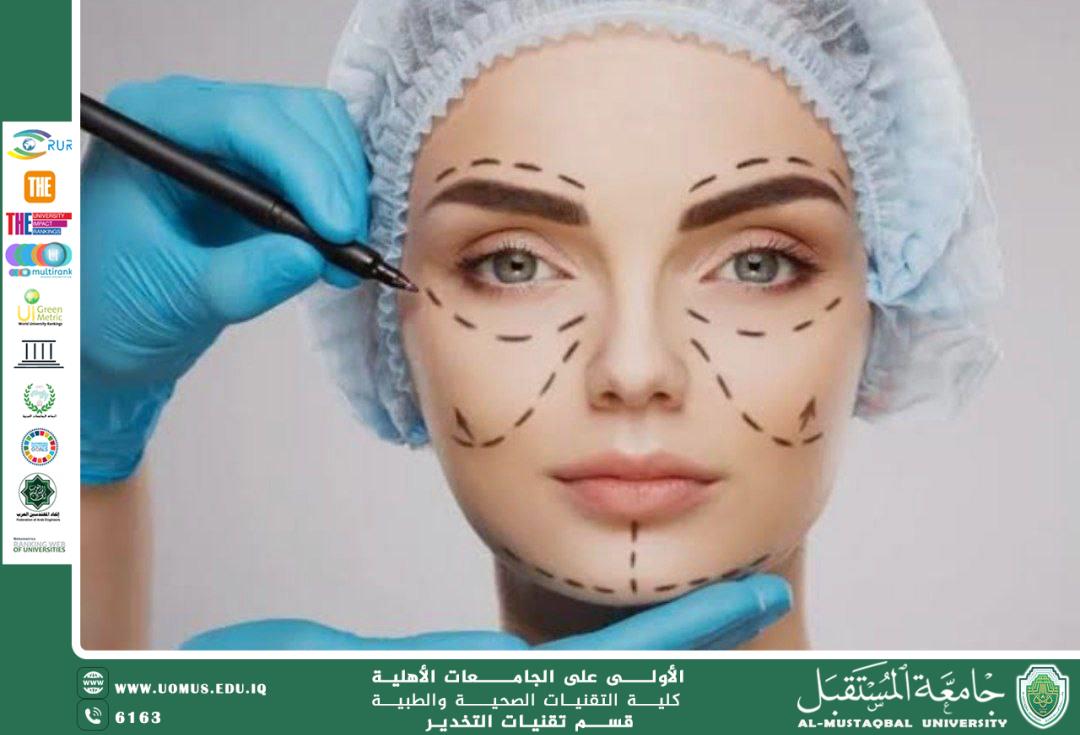
Fillers and Their Adverse Effects on Women: A Scientific Review
Introduction<br />In recent decades, the field of aesthetic medicine has witnessed a widespread adoption of injectable fillers, which have become among the most common non-surgical interventions for women. Fillers are used to enhance facial aesthetics by filling wrinkles, augmenting lips and cheeks, and restoring skin vitality. Despite their effectiveness and ease of administration, recent studies indicate potential health and cosmetic complications that may directly affect women. This article aims to highlight the possible adverse effects of fillers based on published scientific evidence, discussing the medical, psychological, and social aspects associated with their use.<br /><br />1. Types of Fillers and Their Characteristics<br />The most commonly used fillers include:<br /> • Hyaluronic Acid (HA): The most popular due to its biodegradable and natural properties.<br /> • Collagen: One of the earliest fillers used, but its popularity has declined due to allergic reactions.<br /> • Synthetic materials: Such as polymethyl methacrylate (PMMA) and liquid silicone, which are more frequently associated with long-term complications.<br /><br />2. Localized Complications<br /> • Swelling and redness: Among the most common symptoms following injection.<br /> • Bruising and pigmentation changes: Often due to damage to small blood vessels.<br /> • Fibrosis and nodules: Typically occur due to poor injection technique or use of low-quality materials.<br /> • Immune reactions: Particularly with collagen or synthetic fillers.<br /><br />3. Systemic and Severe Complications<br /> • Vascular occlusion: May result in tissue necrosis or vision loss if the ophthalmic artery is affected.<br /> • Bacterial and fungal infections: Especially when proper medical sterilization is lacking.<br /> • Filler migration: Can lead to facial deformities and pose challenges for corrective treatment.<br /><br />4. Psychological and Social Impacts<br />Studies indicate that excessive use of fillers may contribute to:<br /> • Body Dysmorphic Disorder (BDD).<br /> • Psychological dependency on repeated cosmetic procedures.<br /> • Reduced self-esteem when outcomes are unsatisfactory or complications occur.<br /><br />5. Recent Statistics<br />According to the American Society of Plastic Surgeons (ASPS, 2023), fillers are among the most commonly performed cosmetic procedures worldwide, with millions of sessions conducted in recent years. Clinical studies report complication rates ranging from 1–3%, with severe complications being rare (Beleznay et al., 2015).<br /><br />Conclusion<br />Fillers represent a revolution in aesthetic medicine due to their rapid results and effectiveness in improving appearance. However, their adverse effects on women range from minor local complications to severe problems, including permanent disfigurement or vision loss. Psychological and social impacts are equally significant. Safe filler use requires selecting approved materials, administration by trained specialists, and educating women about potential risks. Future long-term studies are necessary to monitor the health and psychological outcomes of fillers, thereby promoting safer practices in cosmetic medicine.<br /><br />Istabraq Rasool Hussein <br /><br />Al-Mustaqbal University <br />The First University in Iraq.