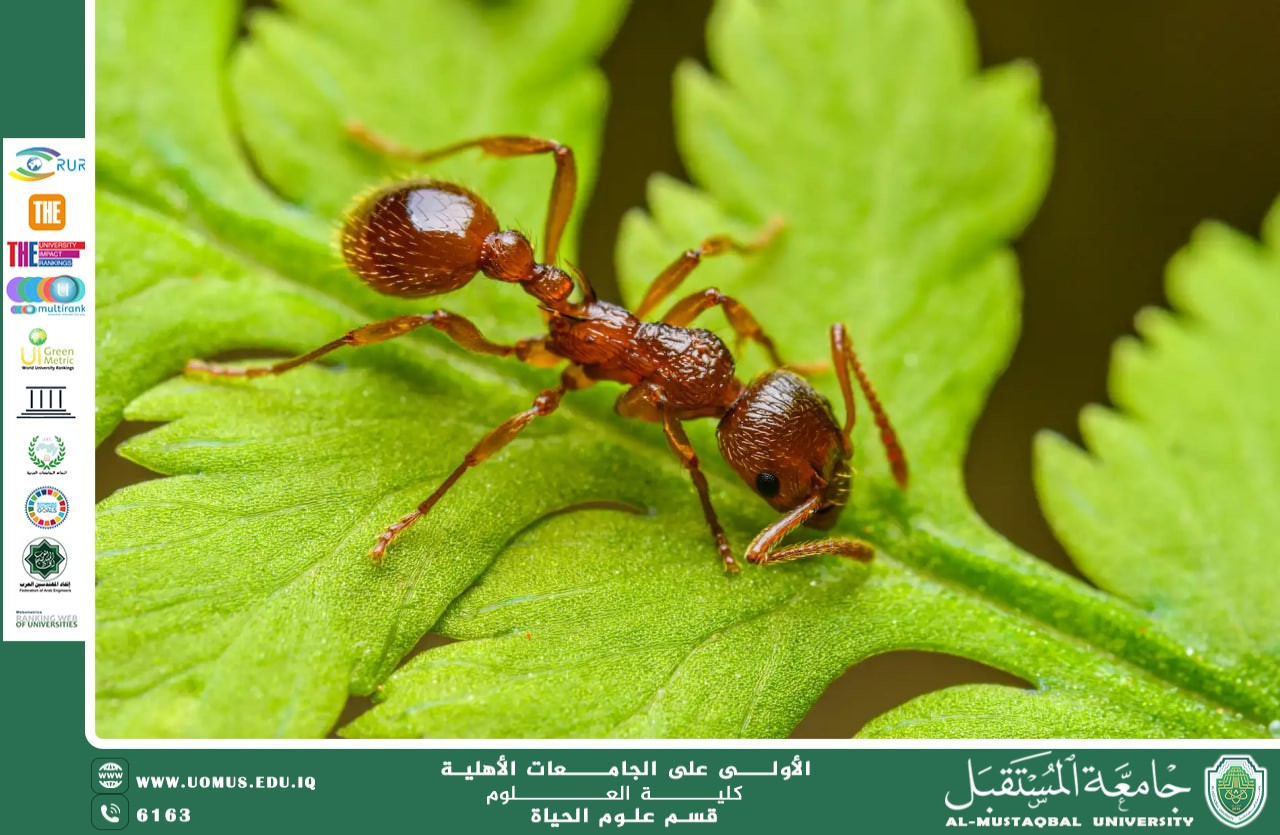
A scientific article by Ms. Noor al-Huda Azmi Hassan entitled "Pollinating Insects and Sustainable Agriculture"
Pollinators and sustainable agriculture are two closely interconnected topics, as they play a crucial role in maintaining agricultural production and biodiversity. Here's a comprehensive explanation of the relationship between them:<br /><br />Pollinators are organisms that transfer pollen from one flower to another, contributing to the pollination process necessary for fruit and seed production. The most common of these insects are:<br /><br />Bees (especially honeybees)<br /><br />Butterflies<br /><br />Beetles<br /><br />Flies<br /><br />Wasps<br /><br />Second: The Role of Pollinators in Sustainable Agriculture<br /><br />Sustainable agriculture aims to meet current food needs without compromising the ability of future generations to meet their needs. Pollinators contribute to this goal by:<br /><br />1. Increasing agricultural productivity<br /><br />More than 75% of food crops depend in part on biological pollination.<br /><br />Good pollination improves fruit quality (in terms of size, taste, and nutritional content).<br /><br />2. Promoting Biodiversity<br /><br />The presence of pollinators encourages the cultivation of diverse plant species.<br /><br />Plant diversity nurtures other species, creating a balanced and sustainable ecosystem.<br /><br />3. Improving the resilience of soils and ecosystems<br /><br />By supporting pollinating plants, which in turn improve soil structure, reduce erosion, and contribute to carbon sequestration.<br /><br />Third: Challenges Facing Pollinating Insects<br /><br />Excessive use of pesticides<br /><br />Loss of natural habitats due to urban and agricultural expansion<br /><br />Climate change and its impact on flower bloom times and insect distribution<br /><br />Diseases and parasites, such as the Varroa mite, which affects honeybees<br /><br />Fourth: How does sustainable agriculture contribute to protecting pollinating insects?<br /><br />Reducing the use of chemical pesticides and replacing them with organic pesticides or biological solutions.<br /><br />Planting diverse crops that bloom at different times to provide a continuous food source.<br /><br />Creating natural areas or "green corridors" within farms to provide shelter for insects.<br /><br />Adopting organic farming systems that maintain ecological balance.<br /><br />Fifth: Global Initiatives to Protect Pollinators<br /><br />World Bee Day (May 20) raises awareness of the importance of bees.<br /><br />Projects by organizations such as the Food and Agriculture Organization (FAO) and the United Nations Environment Programme (UNEP) to protect pollinators.<br /><br />Supporting farmers through training in sustainable agricultural practices.<br /><br />Pollinators are not only essential for food production, but are also a cornerstone of sustainable agriculture. Protecting them means protecting food security, the environment, and human health in the long term. Therefore, any strategy to achieve agricultural sustainability must place these small creatures at the heart of its priorities.<br /><br />Al-Mustaqbal University is the first university in Iraq.<br /><br/><br/><a href=https://www.un.org/sustainabledevelopment/education/ target=_blank>Goal 4 - Quality Education</a>