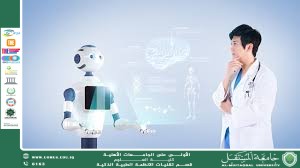

Intelligent Nursing Robots as a Sustainable Solution to the Shortage of Medical Staff (Programmer Huda Khudair Hani)
<br />In light of the increasing challenges facing healthcare systems around the world, the shortage of medical and nursing staff emerges as one of the greatest obstacles to providing comprehensive and effective health services. With rising populations, higher rates of aging, and the prevalence of chronic diseases, it has become necessary to seek innovative solutions to bridge this gap. Here, the role of intelligent nursing robots appears as a strategic option directly connected to the goal of sustainable development.<br />1. Nursing Robots and the Third Sustainable Development Goal: Good Health and Well-being<br />Sustainable development aims to ensure healthy lives and promote well-being for all at all ages. Nursing robots can support this goal through:<br />• Reducing the burden on human staff by performing routine tasks such as monitoring vital signs or distributing medications.<br />• Improving the quality of care thanks to high accuracy and reduced medical errors.<br />• Increasing the capacity of hospitals and healthcare centers, which means better access to health services.<br />2. Enhancing Efficiency and Reducing Waste<br />Smart robots help manage resources efficiently, which is a fundamental principle of sustainable development. Instead of wasting human staff time on tasks that can be automated, their efforts are directed toward critical cases requiring direct human intervention. This intelligent distribution of tasks reduces waste in time and resources and strengthens the sustainability of healthcare systems.<br />3. Sustainability of the Healthcare Workforce<br />By supporting nurses and doctors, robots help reduce job fatigue and burnout, thereby maintaining the continuity of the human workforce. This technology also provides opportunities for healthcare practitioners to develop new skills in using and managing intelligent systems, keeping pace with the requirements of the future labor market.<br />4. The Environmental Dimension of Nursing Robots<br />Modern robots are often designed with eco-friendly standards: long-lasting batteries, energy-saving systems, and recyclability. This aligns with sustainable development goals related to climate and responsible consumption, making investment in healthcare robots a step that serves both health and the environment.<br />Adopting intelligent nursing robots is not merely a technical solution to the shortage of medical staff, but a strategic pathway toward sustainable health development that ensures quality care, resource efficiency, workforce protection, and environmental responsibility. In this way, these robots become a practical embodiment of the integration between technological innovation and sustainable development goals.<br />Al-Mustaqbal University — The First University in Iraq.<br /><br /><br /><a href=https://www.un.org/sustainabledevelopment/ar/education/ target=_blank>https://www.un.org/sustainabledevelopment/ar/education/</a>