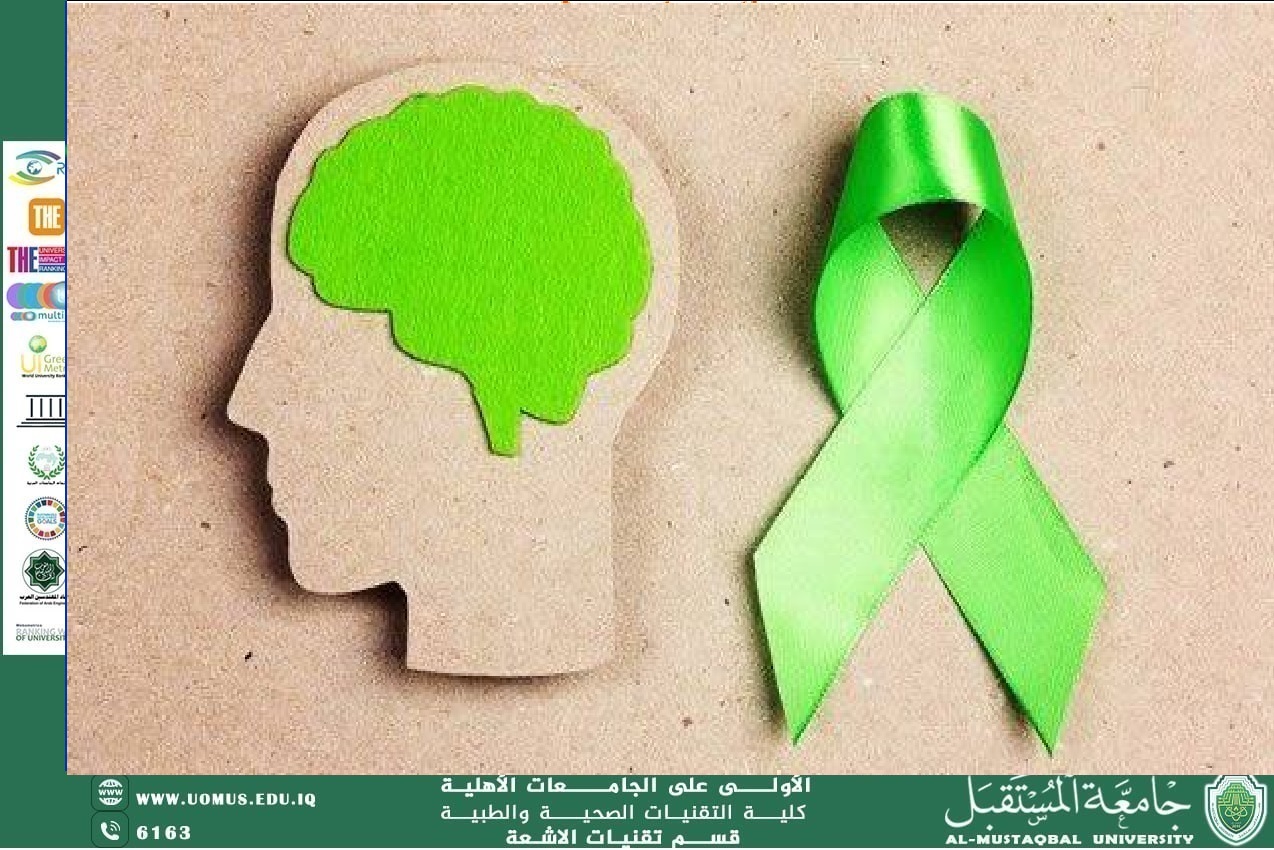
Article Title: "Mental Health After Crises" By Dr. Zainab Ali
Article Title: "Mental Health After Crises"<br />By Dr. Zainab Ali<br /><br />Crises—whether natural disasters, pandemics, wars, or economic breakdowns—represent a complex challenge that leaves both physical and psychological impacts. While immediate response efforts often focus on saving lives and treating physical injuries, the long-term psychological impact may prove to be more dangerous if left unaddressed. Reports by the World Health Organization indicate that one in five people in conflict zones suffers from a mental disorder such as depression, anxiety, or post-traumatic stress disorder (WHO, 2023).<br /><br />Psychological Effects of Crises<br /><br />Post-Traumatic Stress Disorder (PTSD):<br />One of the most common disorders following wars and disasters, characterized by nightmares, hypervigilance, and avoidance of similar situations.<br /><br />Depression and Anxiety:<br />These often co-occur and manifest in loss of energy, sleep disturbances, and a persistent sense of fear or sadness.<br /><br />Special Impact on Children:<br />Includes academic decline, aggressive behavior, loss of security, and disturbances in psychological and social development.<br /><br />Risk Factors<br /><br />Severity and duration of the crisis.<br /><br />Loss of family members or property.<br /><br />Lack of social support or weak healthcare infrastructure.<br /><br />Repeated exposure to traumatic events.<br /><br />Therapeutic Interventions<br /><br />Psychosocial Support: Such as psychological debriefing sessions and community-based support groups.<br /><br />Specialized Psychotherapy: Such as Cognitive Behavioral Therapy (CBT).<br /><br />Medication: Antidepressants or anxiolytics when necessary and under medical supervision.<br /><br />Community Interventions: Training healthcare workers to recognize early symptoms and integrating mental health services into primary care.<br /><br />Requirements for Successful Treatment<br /><br />Integrating mental health services into crisis emergency responses.<br /><br />Raising community awareness to reduce the stigma associated with mental disorders.<br /><br />Investing in long-term rehabilitation programs, especially for children and displaced persons.<br /><br />Crises do not end with the cessation of conflict or disaster; their psychological effects persist for long periods. Addressing mental health as a priority in response and reconstruction plans is a vital step toward building more resilient societies capable of recovery.<br /><br />References<br /><br />World Health Organization (2023). Mental health in emergencies. WHO Fact Sheets.<br /><br />Charlson F., et al. (2023). Mental health consequences of conflict and disaster. The Lancet Psychiatry.<br /><br />American Psychiatric Association (2022). Practice Guideline for the Treatment of Patients with PTSD.<br /><br />United Nations High Commissioner for Refugees (UNHCR) (2024). Mental health and psychosocial support in humanitarian contexts.<br /><br />Al-Mustaqbal University – The First University in Iraq