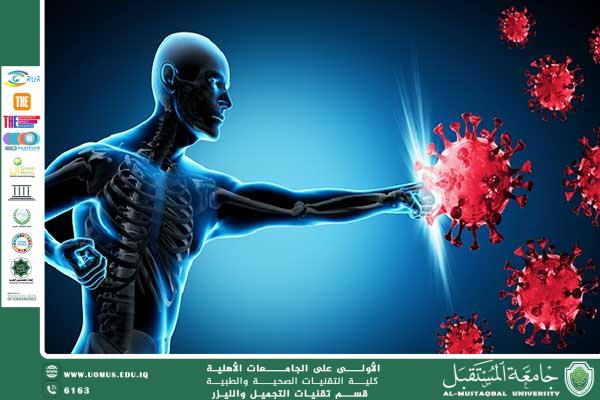
Nutritional Immunity: The Body’s Natural Shield Against Diseases By Huda Rafid Al-Khafaji
Introduction<br /><br />The immune system is the body’s first line of defense against pathogens such as viruses, bacteria, and fungi. Nutritional immunity is a fundamental pillar in strengthening this vital system, as the efficiency of immune responses is directly influenced by diet quality. Food is not merely a source of energy; it provides the essential building blocks for immune cells, antibodies, and defensive enzymes.<br /><br />Definition of Nutritional Immunity<br /><br />Nutritional immunity refers to the relationship between diet and immune health. The intake of specific nutrients supplies the body with vitamins, minerals, and bioactive compounds that:<br /><br />Enhance the production of white blood cells responsible for fighting pathogens.<br /><br />Improve the body’s ability to produce antibodies.<br /><br />Reduce inflammation and support immune balance.<br /><br />Key Nutrients Supporting Immunity<br /><br />Vitamin C: A powerful antioxidant found in citrus fruits, bell peppers, kiwis, and broccoli.<br /><br />Vitamin D: Enhances immune responses; found in fatty fish, egg yolks, and produced in the body through sunlight exposure.<br /><br />Zinc: Essential for immune cell activity; present in red meat, legumes, nuts, and seeds.<br /><br />Omega-3 fatty acids: Reduce inflammation and strengthen immune responses; found in salmon, tuna, and flaxseeds.<br /><br />Proteins: Crucial for building antibodies and defensive enzymes; present in meats, whole grains, and legumes.<br /><br />Probiotics and dietary fiber: Support beneficial gut microbiota, which plays a key role in immunity; found in yogurt, kimchi, leafy vegetables, and whole grains.<br /><br />Nutrition and the Immune System<br /><br />Recent studies highlight that malnutrition or deficiency in key nutrients weakens immunity and increases susceptibility to infectious and chronic diseases. For example:<br /><br />Zinc deficiency impairs wound healing and reduces immune cell counts.<br /><br />Vitamin D deficiency is linked to higher risk of respiratory infections.<br /><br />Excessive intake of sugars and saturated fats weakens immunity and promotes inflammation.<br /><br />Dietary Recommendations for Immune Support<br /><br />Follow a balanced diet rich in fresh fruits and vegetables.<br /><br />Consume diverse protein sources from both animal and plant origins.<br /><br />Limit processed foods and added sugars.<br /><br />Stay well-hydrated by drinking adequate water daily.<br /><br />Support dietary efforts with regular exercise and sufficient sleep.<br /><br />Conclusion<br /><br />Nutritional immunity is not just a theoretical concept; it is a practical lifestyle strategy for maintaining health and preventing disease. Balanced nutrition and awareness of dietary choices are the foundation of a strong immune system, especially in today’s world of health challenges and increased exposure to pandemics. Making healthy eating a lifelong habit is a long-term investment in both individual and community health.<br />AL_mustaqbal University is the first university in Iraq