Article Title: Viral Hepatitis By Dr. Fadel Sahib Al-hasnawi
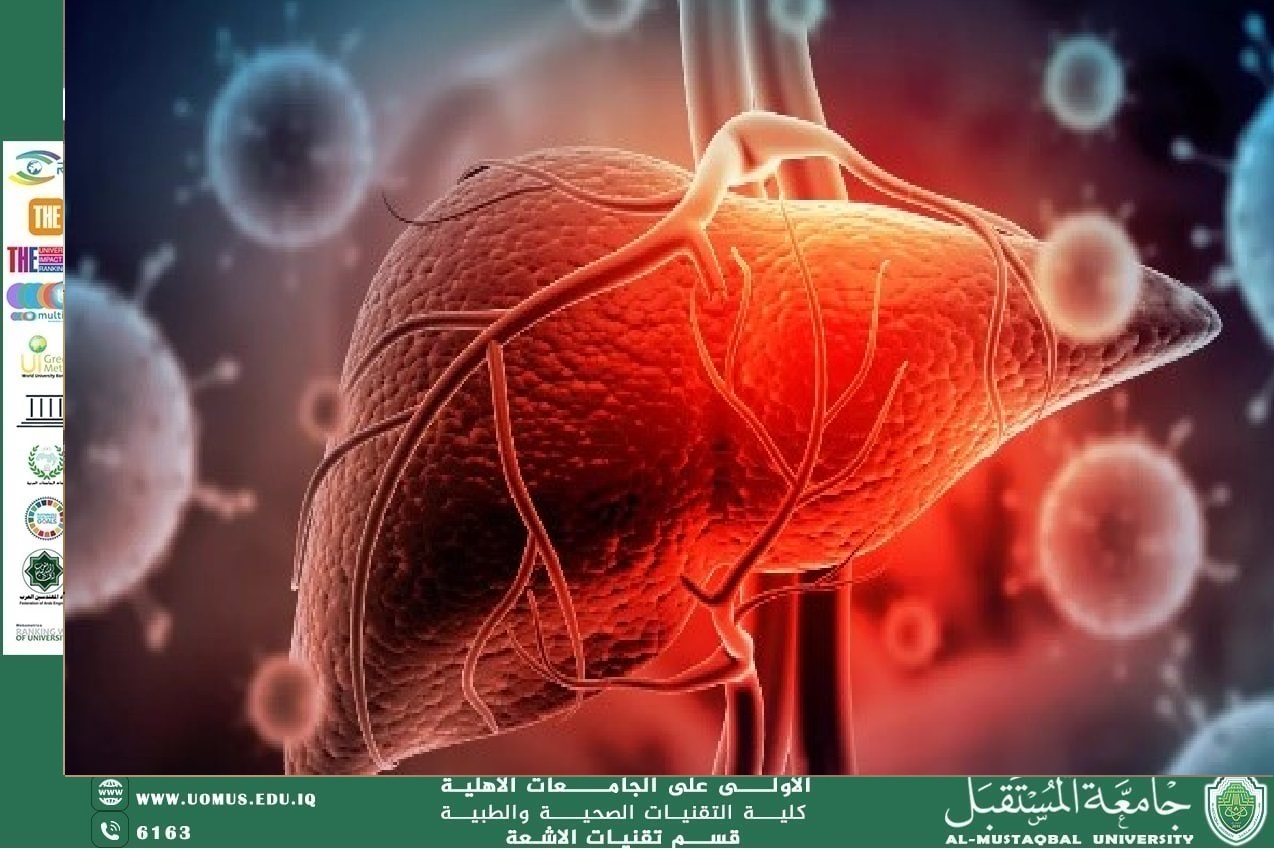
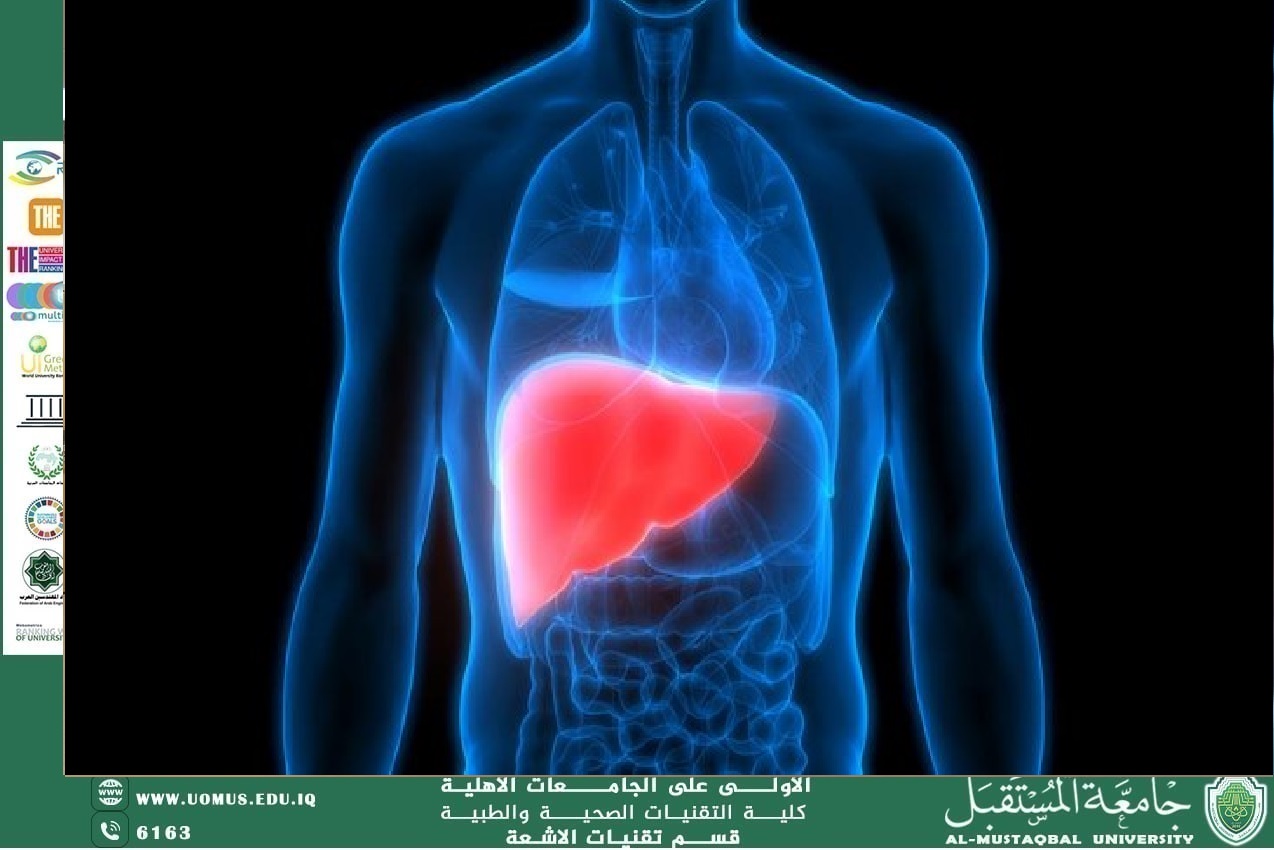
In line with the Sustainable Development Goals<br />Article Title:<br />Viral Hepatitis By Dr. Fadel Sahib Al-Sultani<br /><br />Introduction<br />Viral hepatitis is considered one of the most significant global health problems, with hundreds of millions of people estimated to be infected with one of its types. This makes it a major contributor to disease and economic burden worldwide. The illness primarily affects the liver, the vital organ responsible for blood detoxification, metabolism regulation, and the production of many essential proteins.<br /><br />Types of Viruses<br />There are five major viruses that cause hepatitis, each with unique epidemiological and clinical characteristics:<br /><br />Hepatitis A Virus (HAV):<br /><br />Transmitted through the fecal–oral route (consumption of contaminated food or water).<br /><br />Causes acute infection that usually resolves completely without progressing to chronic disease.<br /><br />Hepatitis B Virus (HBV):<br /><br />Transmitted via blood, unsafe sexual practices, or from mother to child during childbirth.<br /><br />Can be acute or chronic. Chronic infection is linked to cirrhosis and hepatocellular carcinoma.<br /><br />Hepatitis C Virus (HCV):<br /><br />Mainly transmitted through blood (such as unscreened transfusions or sharing sharp instruments).<br /><br />Often progresses to chronic hepatitis and is the leading cause of liver transplantation in many countries.<br /><br />Hepatitis D Virus (HDV):<br /><br />Cannot infect on its own; requires HBV to replicate.<br /><br />Aggravates disease severity and is associated with rapid progression to cirrhosis and liver failure.<br /><br />Hepatitis E Virus (HEV):<br /><br />Transmitted through contaminated food and water.<br /><br />Usually self-limiting, but can be fatal in pregnant women.<br /><br />Clinical Symptoms<br />Common clinical manifestations include:<br /><br />General fatigue and loss of appetite.<br /><br />Nausea and vomiting.<br /><br />Pain in the upper right quadrant of the abdomen.<br /><br />Jaundice (yellowing of the skin and eyes).<br /><br />Dark urine and pale stools.<br /><br />Diagnosis<br />Diagnosis relies on:<br /><br />Laboratory tests: Liver function tests (ALT, AST, bilirubin) and specific tests for antigens or antibodies.<br /><br />Molecular techniques: Polymerase Chain Reaction (PCR) to detect viral DNA or RNA.<br /><br />Medical imaging: Ultrasound to assess liver size and possible complications.<br /><br />Prevention and Treatment<br /><br />Prevention:<br /><br />Vaccination against HAV and HBV.<br /><br />Improved personal hygiene and sanitation.<br /><br />Avoiding sharing sharp instruments and ensuring safe blood transfusion practices.<br /><br />Treatment:<br /><br />No specific treatment exists for HAV and HEV; management is supportive.<br /><br />Modern antiviral drugs (such as NS5A and NS5B inhibitors) have achieved high cure rates in HCV treatment.<br /><br />Long-term antiviral therapy helps control HBV infection and slows disease progression.<br /><br />Liver transplantation may be the final therapeutic option in cases of cirrhosis or end-stage liver failure.<br /><br />Conclusion<br />Viral hepatitis remains a global public health challenge due to its prevalence and potential complications. Prevention—through vaccination and healthy practices—remains the most effective strategy to limit its spread and reduce its burden.<br /><br />Al-Mustaqbal University – the First University in Iraq