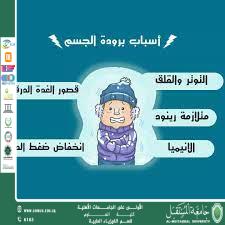
The Effect of Cold on the Human Body Arctical by Eftikar thamier
Introduction
Cold is one of the environmental factors that significantly impact human health. Humans are sometimes exposed to low temperatures, either due to cold weather or in environments requiring work under extreme cold conditions. Cold can cause various effects on the human body, which vary depending on the temperature and the duration of exposure. In this article, we will discuss the physiological and medical effects of cold on the human body and how it impacts different body systems.
Effect of Cold on the Circulatory System
When exposed to cold, the body attempts to preserve the temperature of vital organs such as the heart and lungs. This is achieved by the constriction of blood vessels in the extremities (like hands and feet) to reduce heat loss. This response is known as “peripheral vasoconstriction.” However, in extreme cold, the blood flow to the more distant organs can be reduced, potentially leading to tissue and organ damage if prolonged exposure continues.
Effect of Cold on the Respiratory System
Exposure to cold air can lead to narrowing of the airways and increased resistance to airflow. This can cause difficulty in breathing, especially for individuals with respiratory conditions like asthma. Cold air can also irritate the throat and upper airways, leading to symptoms such as coughing and nasal congestion.
Effect of Cold on the Nervous System
Nerves are directly affected by cold temperatures, as cold reduces the speed of nerve signal transmission. People may experience tingling or numbness in the extremities due to the drop in temperature. In severe cases, nerve freezing can occur, temporarily impairing the ability to move. Prolonged cold exposure may also increase the risk of nerve inflammation.
Effect of Cold on the Skin
Cold has a direct impact on the skin, causing it to dry out and crack. Additionally, there is an increased risk of frostbite, a condition where the skin freezes after prolonged exposure to cold temperatures. Frostbite can lead to permanent tissue damage if not treated appropriately. Areas of the body most susceptible to frostbite include the ears, nose, and fingers.
Overall Effects of Cold on the Body
The most serious health effects of extreme cold exposure are hypothermia, or “deadly cold,” where the body temperature drops significantly. In this condition, vital organs such as the heart and lungs may stop functioning. If prompt action is not taken to warm the body back to normal temperature, hypothermia can lead to death.
Prevention of Cold-Related Effects
To reduce the negative effects of cold on the body, it is important to take preventive measures:
1. Wear appropriate clothing: Warm clothing, such as wool coats, gloves, hats, and suitable footwear, should be worn to protect the body from the cold.
2. Limit exposure to cold for long periods: It is important to minimize the time spent in extremely cold environments.
3. Consume hot food and beverages: Eating warm meals and drinking hot beverages helps raise body temperature.
4. Stay active: Regular physical movement promotes blood flow to the extremities, protecting them from cold-related damage.
5. Monitor temperature regularly: If a person is exposed to extreme cold, it is important to regularly check body temperature to prevent any dangerous drop.
Conclusion
The effects of cold on the human body range from mild symptoms, such as feeling cold, to severe conditions that can threaten life. By following appropriate preventive measures, these effects can be minimized, and human health can be maintained in cold environments.
"AL_mustaqbal University is the first university in Iraq"