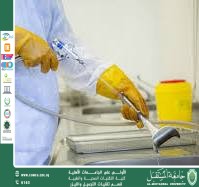
Fundamentals of Sterilization in the Laboratory By: Shahad Nawras Abbas
The Basics of Sterilization in the Laboratory
Sterilization is one of the most essential foundations of laboratory work. It aims to eliminate all forms of microorganisms — including bacteria, fungi, viruses, and spores — to ensure accurate experimental results and protect laboratory workers from contamination or infection.
1. Definition and Importance of Sterilization
Sterilization is the process of removing or destroying all forms of microbial life from equipment, media, or surfaces in the laboratory.
The importance of sterilization includes:
Preventing microbial contamination between samples.\
Ensuring the accuracy and reliability of experimental results.
Protecting researchers and staff from biological hazards.
Maintaining a clean and safe laboratory environment.
2. Methods of Sterilization
Sterilization methods are divided into two main categories: physical methods and chemical methods.
A. Physical Methods
Steam Sterilization (Autoclave):
The most common method, using steam under high pressure (usually 121°C for 15–20 minutes) to sterilize glassware and culture media.
Dry Heat Sterilization:
Used for metal and glass instruments in a hot air oven at 160–180°C for about two hours.
Ultraviolet (UV) Sterilization:
Used to disinfect air and surfaces in laboratories and operating rooms.
B. Chemical Methods
Using Chemical Disinfectants such as ethyl alcohol, sodium hypochlorite (bleach), and formalin.
These are applied to clean surfaces and tools that cannot withstand heat.
3. Sterilization Procedures in the Laboratory
Wash instruments thoroughly with detergent and water before sterilization.
Ensure all containers are properly sealed before placing them in the autoclave.
Wear gloves and protective clothing when handling contaminated materials.
Disinfect work surfaces before and after experiments.
Dispose of biological waste safely after sterilization.
4. Common Mistakes in Sterilization
Overloading the autoclave, preventing steam from reaching all parts.
Incorrect temperature or time settings.
Failing to clean instruments before sterilization.
Using expired or improperly diluted disinfectants.
5. Conclusion
Sterilization is a vital step in every laboratory. It ensures the quality and safety of experimental work and protects both researchers and the environment. Following correct sterilization procedures helps maintain accuracy, reliability,
and safety in all scientific practices.
Al _ Mustaqbal University, the first university in Iraq