Smart Implantable Devices: Integrating Biosensing with Artificial Intelligence (Prof. Dr. Mahdi Abadi Mani’)
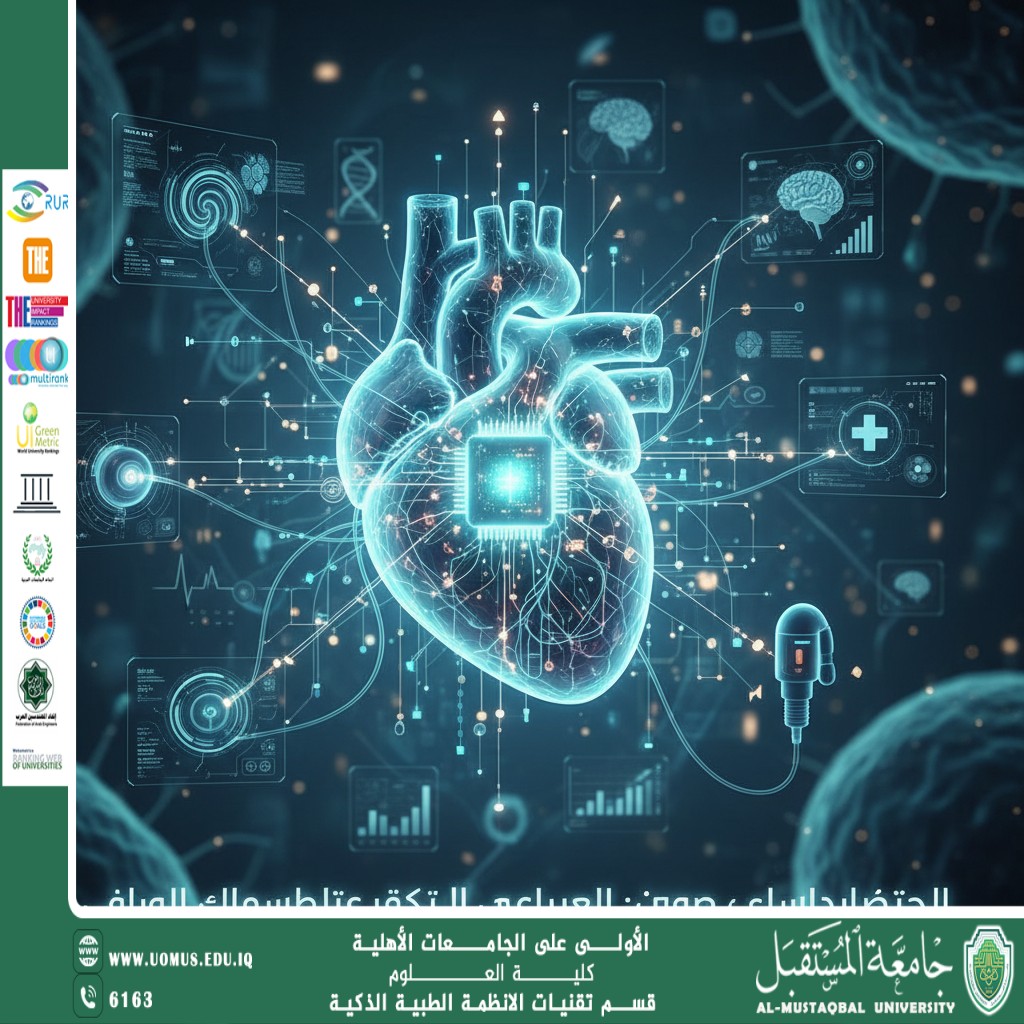
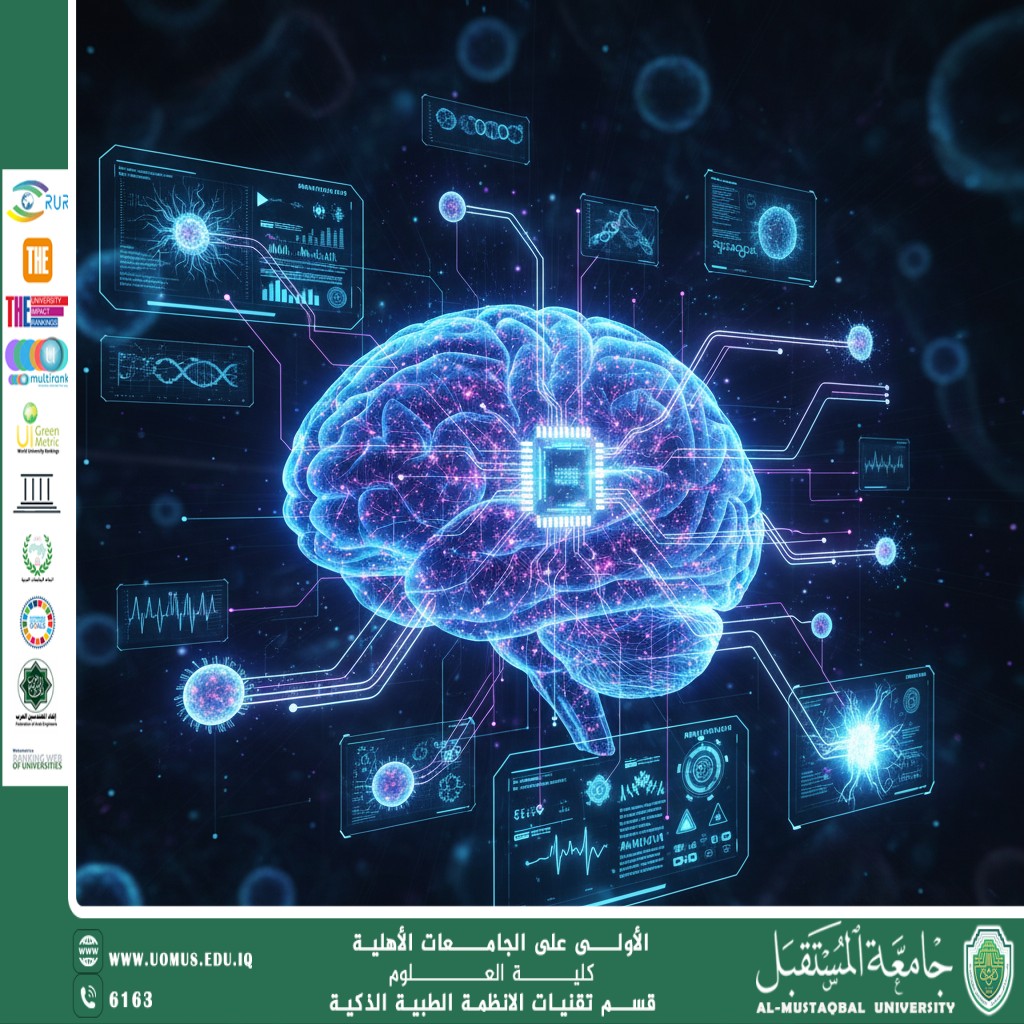
Smart implantable devices represent one of the most revolutionary innovations in modern medicine, combining advanced biosensing technologies with artificial intelligence to provide personalized and precise healthcare. These devices aim to continuously and accurately monitor vital body functions, such as heart rate, blood pressure, blood glucose levels, and brain activity, allowing for early detection of abnormalities before they develop into serious health problems. The operation of these devices relies on highly sensitive sensors that collect real-time physiological data, which artificial intelligence then analyzes using machine learning and deep learning algorithms to predict potential health risks and provide immediate therapeutic recommendations.
Moreover, smart implantable devices offer unique capabilities for tailoring treatment to each patient’s condition, as they can adjust medication dosages or regulate electrical stimulation based on the continuous data collected. The integration of biosensing and artificial intelligence not only improves diagnosis and treatment but also enhances patients’ quality of life by reducing the need for frequent medical visits and minimizing complications resulting from delayed detection of critical conditions.
These devices also play a significant role in the future of smart healthcare, as they can be integrated with remote health platforms, enabling physicians to monitor patients outside hospital settings and make treatment decisions remotely. This field opens wide avenues for innovation in healthcare, laying the foundation for a more intelligent and responsive health system that meets individual patient needs. As sensing technologies continue to advance and artificial intelligence capabilities improve, smart implantable devices are expected to become an essential part of personalized medicine, redefining the relationship between technology and healthcare and bringing us closer to a smart and sustainable medical future.