Therapeutic Smartwatches: Continuous Monitoring and Personalized Treatment Recommendations
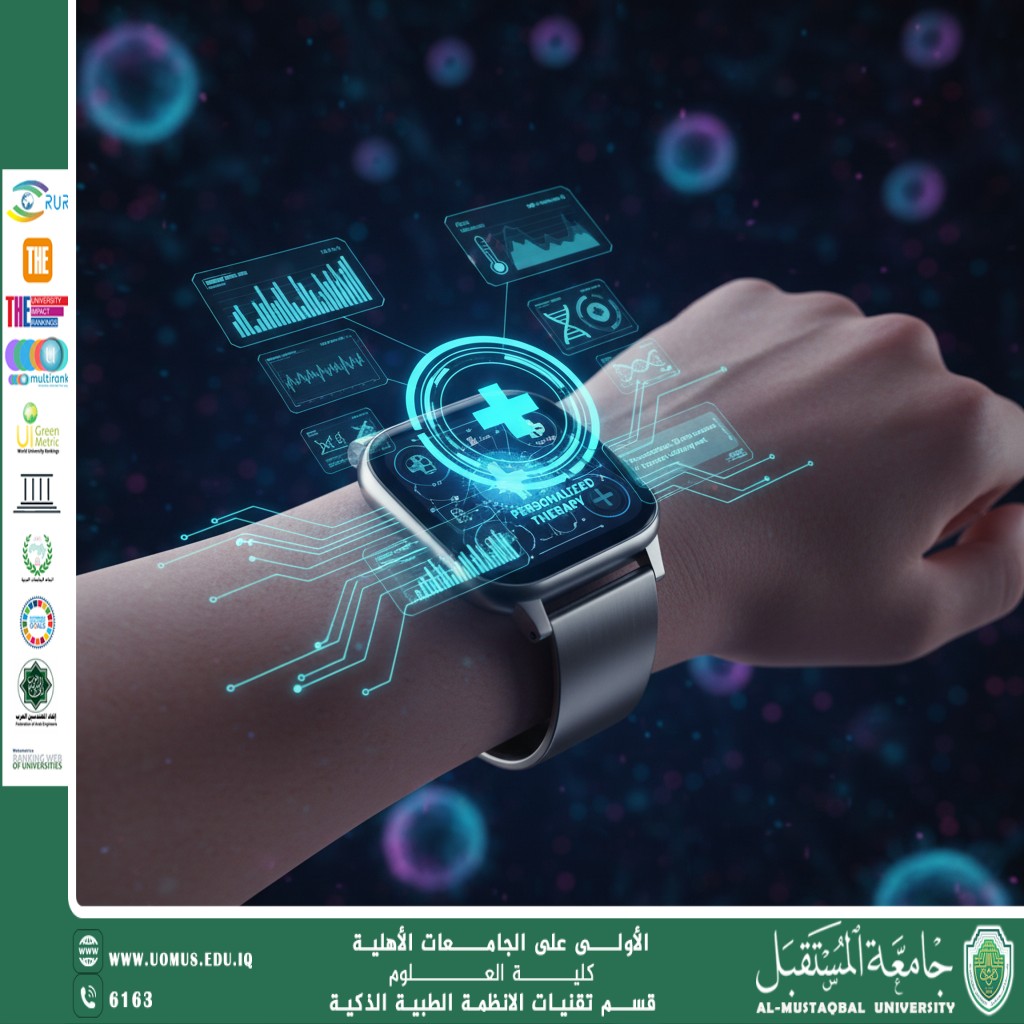
In recent years, wearable technology has evolved far beyond simple fitness tracking. Among the most promising developments are therapeutic smartwatches, devices designed not only to monitor physiological parameters but also to provide personalized healthcare recommendations. These devices integrate advanced sensors with artificial intelligence algorithms to support continuous health monitoring and timely interventions.
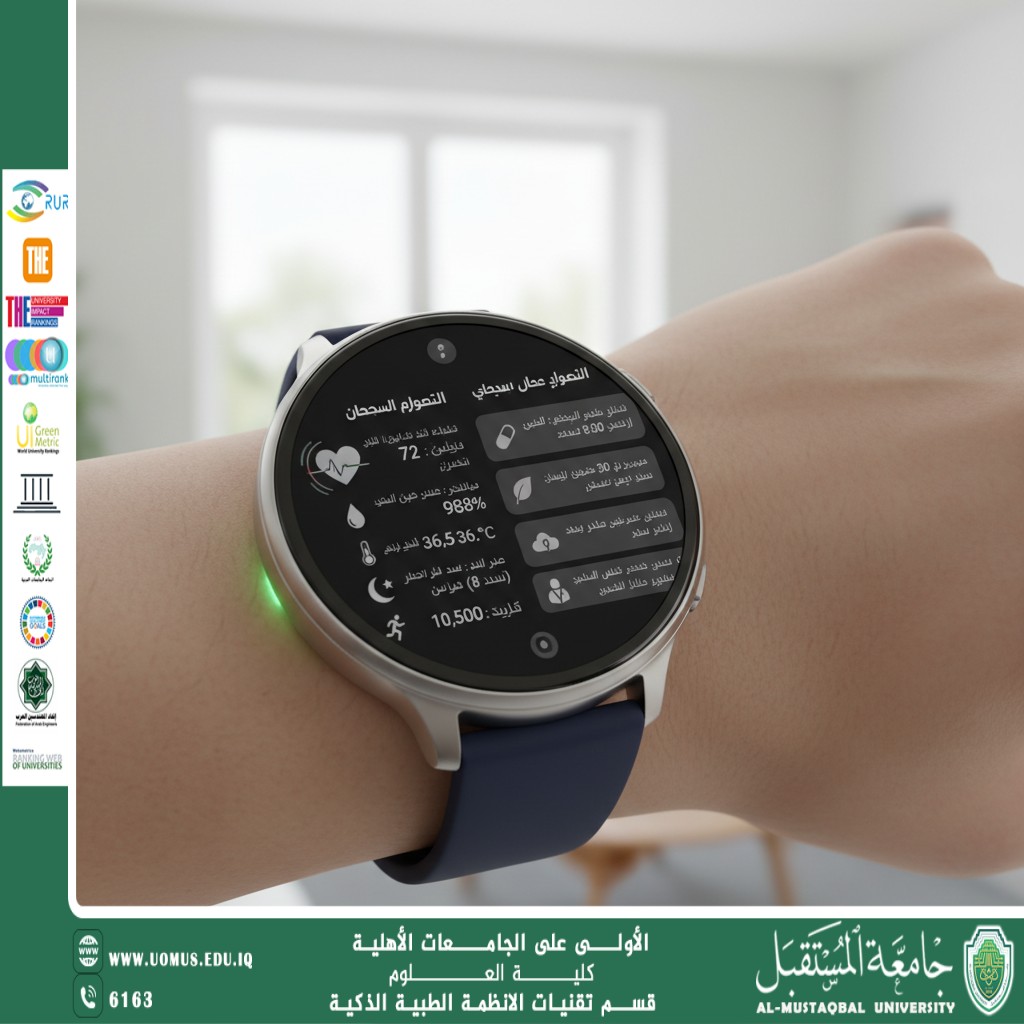
Therapeutic smartwatches can track a wide range of vital signs, including heart rate, blood pressure, blood oxygen saturation, body temperature, and even sleep quality. By continuously collecting this data, these devices create a detailed profile of the wearer’s health, allowing early detection of abnormalities such as arrhythmias, hypertension, or stress-related changes.
What sets therapeutic smartwatches apart from traditional wearables is their ability to offer personalized treatment recommendations. Leveraging AI and machine learning, the smartwatch can analyze trends over time, identify risk factors, and suggest actionable measures, such as medication reminders, lifestyle adjustments, or alerts to consult a healthcare professional. This approach transforms passive monitoring into active healthcare management, empowering patients to take charge of their health and improving adherence to treatment plans.
Moreover, these devices have shown significant potential in managing chronic diseases, such as diabetes, cardiovascular conditions, and respiratory disorders. By integrating with mobile applications and cloud-based platforms, therapeutic smartwatches enable seamless communication between patients and healthcare providers, facilitating timely adjustments to therapy and reducing the risk of complications.
In conclusion, therapeutic smartwatches represent a revolutionary step in personalized medicine, bridging the gap between continuous health monitoring and proactive treatment. As technology advances, these devices are expected to become indispensable tools in modern healthcare, promoting preventive care, patient empowerment, and better clinical outcomes.