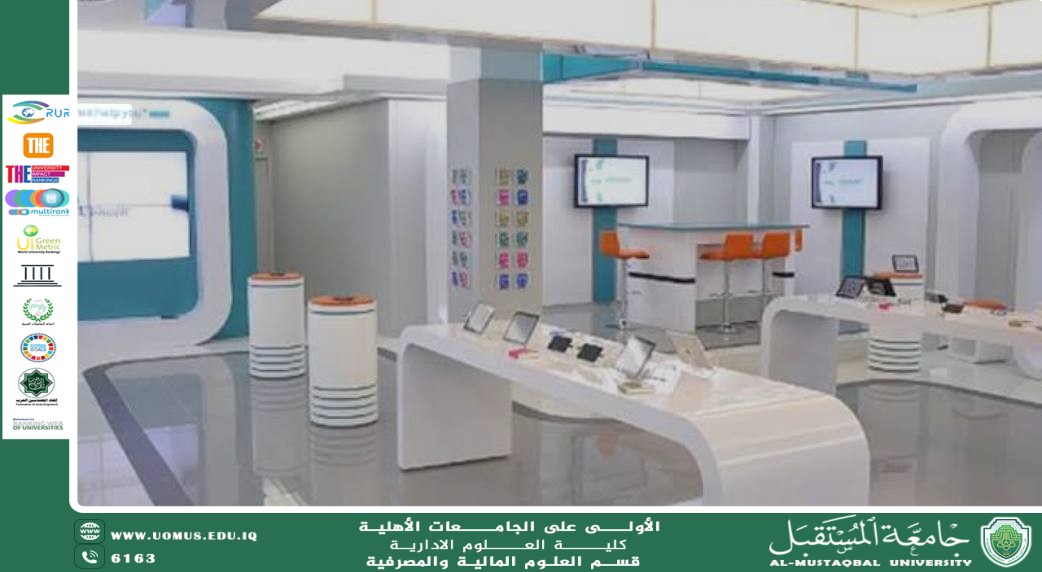
Transforming Traditional Banks into Digital Banks Through Automation Technologies"
Ameer Sabar Abd
Introduction
The world today is witnessing a radical transformation in the nature of banking due to the rapid development of technology and the adoption of automation as a means to facilitate operations and improve efficiency. Modern banks no longer rely solely on paper transactions or manual procedures, but are moving towards a complete digital transformation by integrating automation technologies into all stages of banking operations. This transformation aims to enhance transparency, reduce errors, and provide faster and more accurate financial services to bank customers.
The Concept of Banking Automation and Its Role in Digital Transformation
Banking automation is the process of using technological systems and programs to perform banking tasks automatically without the need for direct human intervention. These technologies include account management systems, loan processing, customer service, and financial transfers. The implementation of automation in the banking sector contributes to reducing operational costs, increasing efficiency, and improving the customer experience.
Steps to Transform Traditional Banks into Digital Banks
The transition from traditional banking to digital banking requires a set of strategic steps, most notably developing technological infrastructure, modernizing core banking systems, and launching electronic services such as banking applications and interactive websites. It also requires training human resources to operate new digital systems and adopting advanced security policies to protect data.
Challenges Facing Digital Transformation Through Automation
Despite the significant benefits of automation, banks face numerous challenges when implementing it. These challenges include weak infrastructure in some developing countries, a lack of technical expertise, cybersecurity concerns, and the resistance of some employees to change for fear of losing their jobs. The high financial cost of implementing modern systems also poses a challenge for some small and medium-sized banks.
The Future and Recommendations
The future of banking is expected to be entirely digital, with automation becoming an essential part of every banking process. To achieve this, banks must develop clear digital strategies that include investing in modern technology and artificial intelligence, developing human resources, and enhancing cybersecurity. The Central Bank and regulatory authorities must also support this transformation through flexible legislation that keeps pace with technological developments.