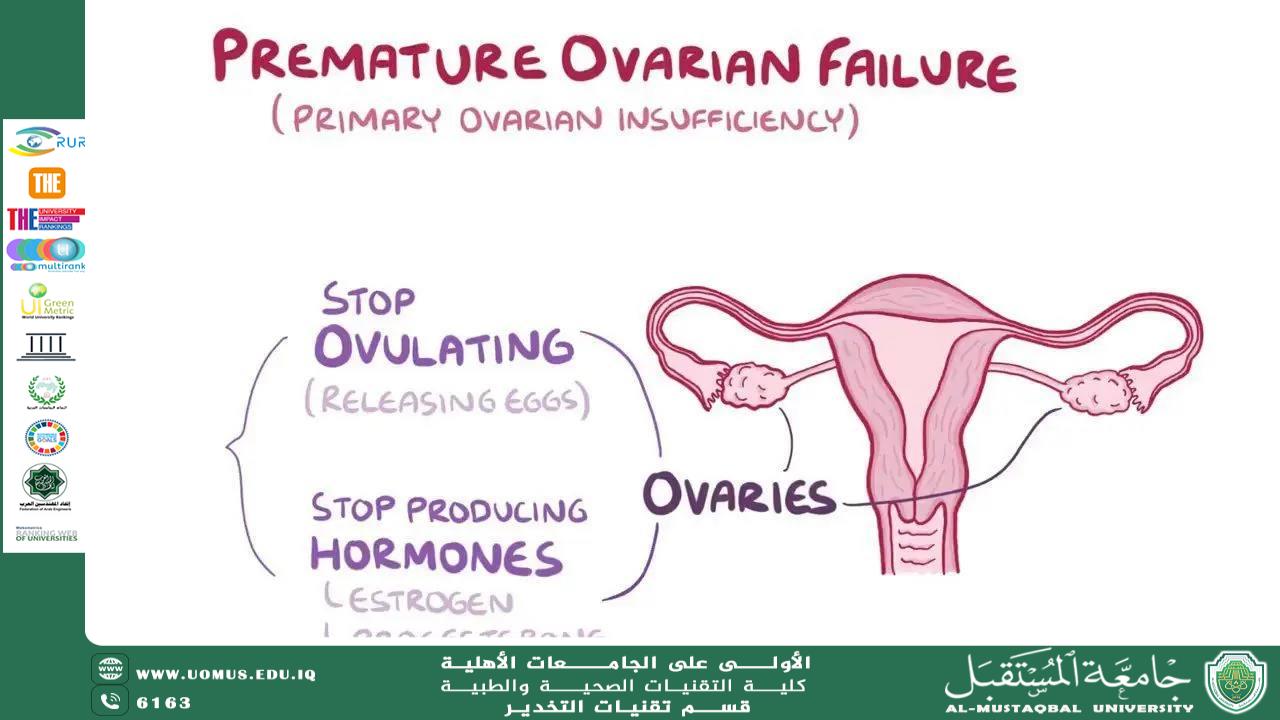
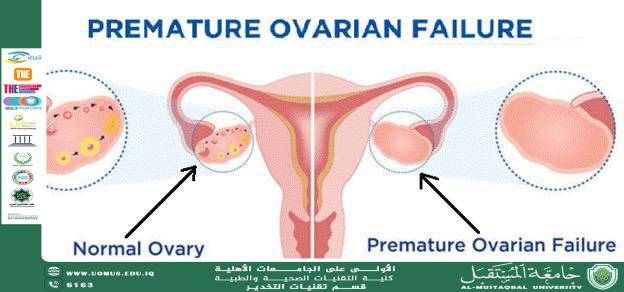
Premature Ovarian Insufficiency (POI): Understanding Early Ovarian Failure
Premature Ovarian Insufficiency (POI), also known as premature ovarian failure, is a condition in which the ovaries stop functioning normally before the age of 40. This leads to decreased estrogen production and reduced fertility.
Key Facts:
• Age of onset: Typically before 40 years.
• Symptoms: Irregular or absent periods, hot flashes, night sweats, vaginal dryness, mood changes, and infertility.
• Causes: Genetic factors (e.g., Turner syndrome), autoimmune disorders, certain chemotherapy or radiation treatments, metabolic conditions, or sometimes unknown.
• Diagnosis: Blood tests showing elevated FSH (follicle-stimulating hormone) and low estradiol, along with clinical symptoms.
• Management: While ovarian function may be partially restored in rare cases, treatment focuses on hormone replacement therapy (HRT) to prevent complications like osteoporosis, cardiovascular disease, and to manage symptoms. Fertility options include assisted reproductive technologies such as egg donation.
Takeaway:
POI affects both hormonal balance and fertility, but early diagnosis and proper management can improve quality of life and prevent long-term complications. Women experiencing irregular periods or menopausal symptoms before 40 should consult a gynecologist.
Dr. Noor Kareem Alfatlawy
Al-Mustaqbal University
The First University in Iraq.