raq’s Drought Crisis: A Scientific Analysis of Environmental and Human Impacts
Since the beginning of the 21st century, Iraq has been experiencing increasingly severe climatic conditions, particularly an unprecedented escalation in drought during the current decade. This crisis stems from a complex interplay of climatic and human factors, necessitating a scientific analysis of its environmental and societal impacts.
Theoretical Framework
Drought is defined in scientific literature as a severe and prolonged reduction in water resources that exceeds the adaptive capacity of ecological and social systems. In Iraq, official data indicate that water inflows in the Tigris–Euphrates basin have dropped to 27% compared to last year, while water storage in reservoirs has fallen to only 8% of their total capacity.
Key Determinants of the Crisis
1. Climatic Factors
Climate studies show a marked change in rainfall patterns across the Fertile Crescent, with annual precipitation declining by 40% over the past two decades and temperature levels rising by more than 2.5°C above historical averages.
2. Geopolitical Factors
Water policies in upstream countries—primarily Turkey and Syria—have directly reduced Iraq’s water share from about 70 billion cubic meters annually to roughly 40 billion cubic meters.
Environmental Impacts
1. Degradation of Aquatic Ecosystems
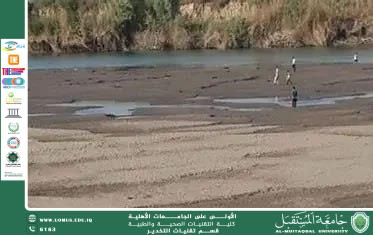
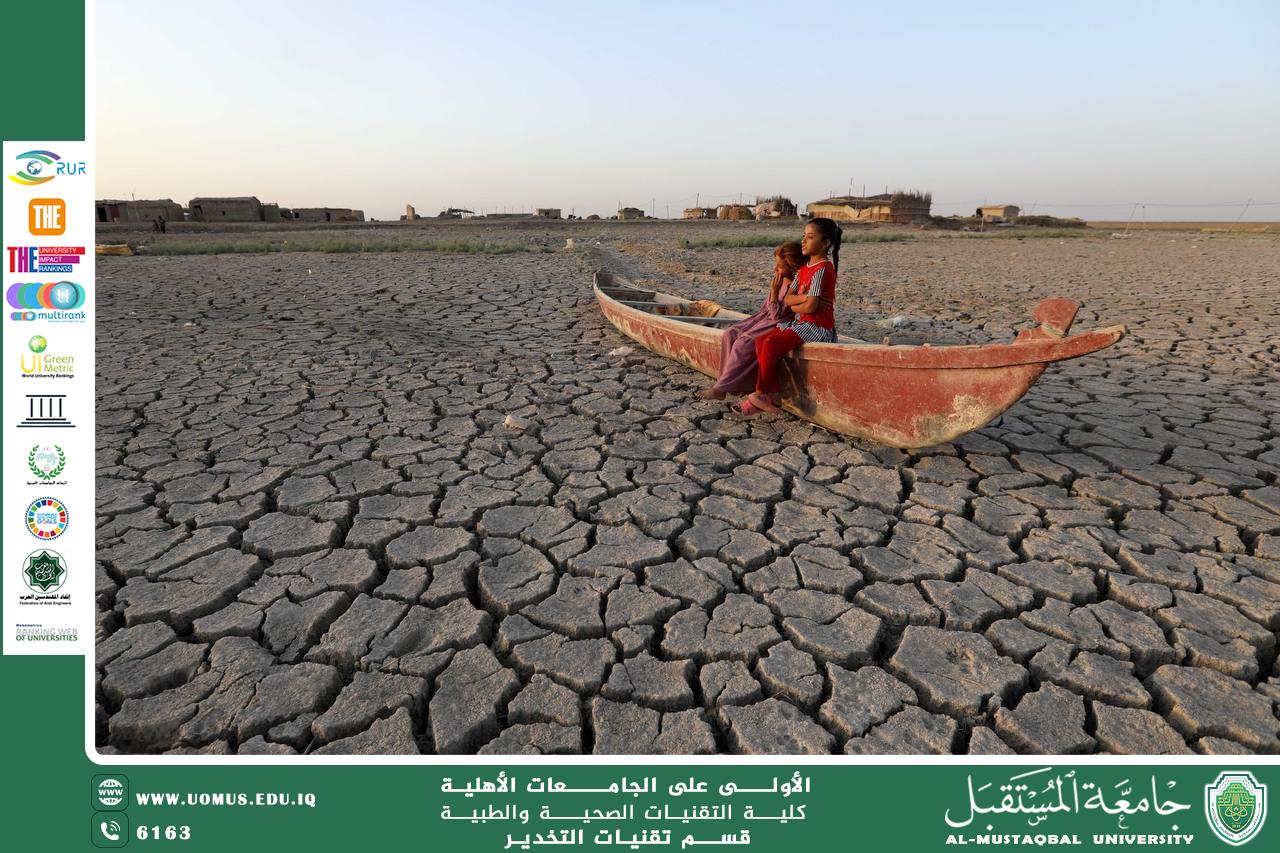
Iraq’s water bodies have undergone severe deterioration, with nearly 70% of the Marshes—listed as a UNESCO World Heritage Site—turning into dry land. Salinity levels in the Tigris and Euphrates rivers have also reached record highs exceeding 5,000 ppm in some areas.
2. Decline of Vegetation and Soil Quality
Field studies show that green areas have decreased by 50% since 2005, and 39% of Iraq’s land has been affected by desertification. This has contributed to a rise in dust storms, reaching about 270 storms annually.
Socioeconomic Impacts
1. Food Security
Depleted water resources have reduced cultivated land by 50%, lowering agricultural output and driving up food prices by 30% over three years.
2. Public Health
Water scarcity and contamination have led to a surge in related diseases. In Basra alone, 120,000 water-related medical cases were recorded in 2018. Respiratory diseases have also increased due to frequent dust storms.
3. Population Displacement
More than 140,000 Iraqis have been displaced from severely affected areas, creating demographic pressures on urban centers and altering the social structures of rural communities.
Conclusion and Recommendations
Iraq’s drought crisis serves as a case study of how climate change affects vulnerable societies. Effective mitigation requires a comprehensive scientific approach focused on:
1. Developing early-warning systems for drought
2. Implementing integrated water resource management
3. Adopting consumption-efficient technologies
4. Strengthening regional cooperation on water governance
Addressing the crisis demands coordinated scientific and institutional efforts to ensure environmental sustainability and safeguard the basic conditions of life in Iraq.
Ammar Badri Younis
Al-Mustaqbal University
The First University in Iraq.