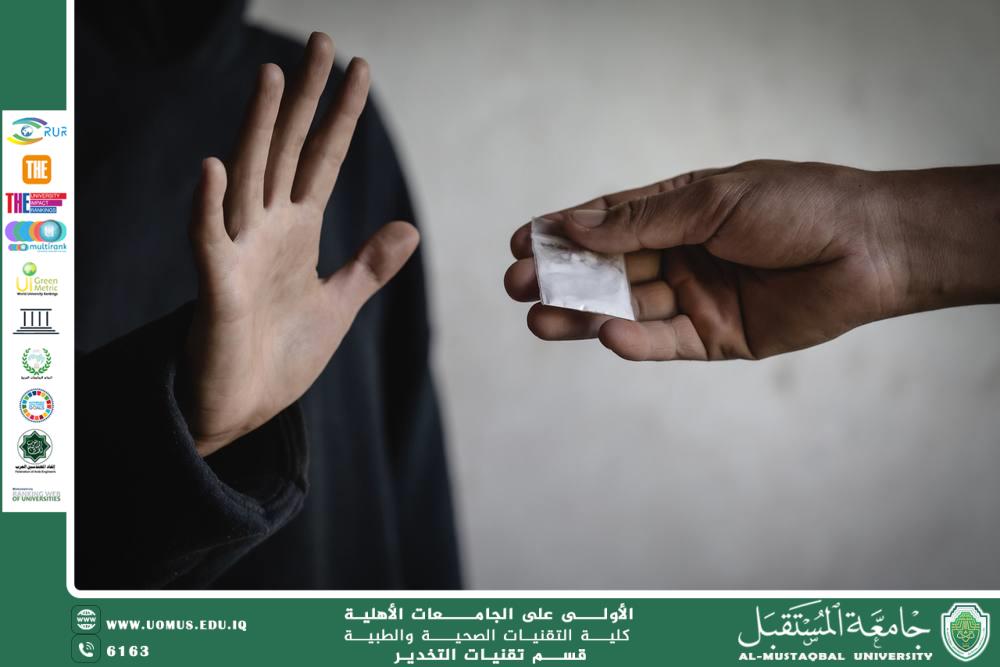
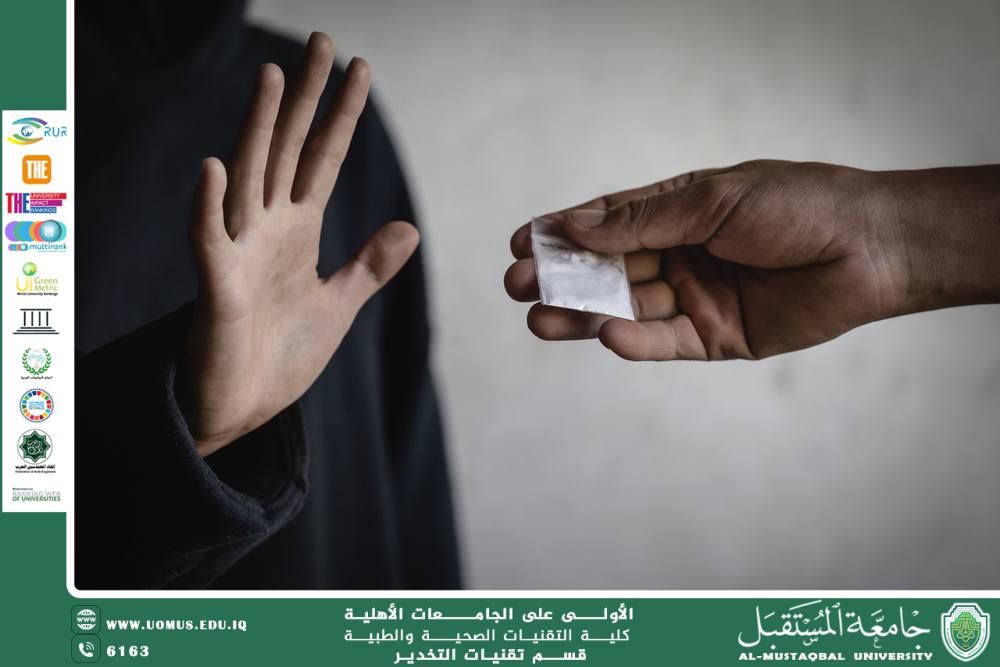
Drug Spread and How to Protect Individuals from This Deadly Hazard
Introduction
Drug use and addiction represent a major health, social, and economic challenge worldwide. This behavior emerges from intertwined individual, social, economic, and cultural factors, and leads to severe physical, psychological, and social harm that may result in death, including overdose. This concise scientific article aims to clarify the mechanisms behind drug spread, risk factors, and practical strategies to protect individuals from engaging in such behavior or mitigating its effects.
Mechanisms of Drug Spread
1. Supply and Demand Networks:
Increased availability of drugs due to local and international criminal networks, illicit trafficking, and digital channels.
2. Social and Economic Conditions:
Poverty, unemployment, low educational attainment, and family instability increase susceptibility to drug use.
3. Cultural and Behavioral Influences:
Peer pressure, social imitation, and normalization or glorification of drug use contribute to its spread.
4. Psychological and Medical Factors:
Mental health disorders such as depression, anxiety, and ADHD may push individuals toward self-medicating through drug use.
5. Changes in Drug Types and Methods:
Emergence of new substances and easily circulated synthetic forms has expanded use patterns and amplified harm.
Individual Risk Factors for Drug Use and Addiction
• Adolescence and early adulthood.
• Family history of addiction or mental health disorders.
• Exposure to chronic stress or trauma.
• Weak family ties or lack of social support.
• Easy access to drugs and peer groups involved in substance use.
Health and Social Impacts of Drugs
Physical: Organ damage (heart, liver, kidneys), infectious diseases from needle-sharing, sleep disturbances, malnutrition.
Psychological: Depression, anxiety, psychosis, and lasting cognitive impairments.
Social: Poor academic or work performance, family breakdown, legal problems, and social isolation.
Immediate Risks: Overdose leading to respiratory arrest or death.
How to Protect Individuals (Practical Prevention Strategies)
1. Education and Awareness:
Understanding the acute and long-term risks of each substance and recognizing early signs of addiction.
2. Building Personal Skills:
Strengthening skills to resist peer pressure, mastering stress and anger management, and improving problem-solving abilities.
3. Developing a Strong Support Network:
Maintaining positive family and social relationships and seeking help when needed.
4. Controlling Triggers:
Avoiding environments associated with drug use and engaging in positive alternative activities.
5. Prioritizing Mental Health:
Seeking professional evaluation and treatment for mental health disorders, and using cognitive-behavioral strategies when necessary.
6. Harm Reduction and Emergency Prevention:
Recognizing overdose symptoms and contacting emergency services immediately.
Where available, naloxone may reverse opioid overdoses and must be administered only by trained and licensed healthcare providers.
What to Do If You or a Family Member Uses Drugs
1. Acknowledge the problem.
2. Seek medical and psychological consultation from specialized professionals.
3. Follow an appropriate treatment program, including detoxification, medication if needed, behavioral therapy, and rehabilitation.
4. Engage family members in counseling to build a supportive environment.
5. Maintain post-treatment follow-up, participate in support groups, and work toward reintegration in academic or professional life.
Conclusion
Prevention is grounded in knowledge, community support, and strong coping skills. When drug use occurs, early intervention and integrated medical, psychological, and social care significantly improve recovery outcomes. Health and community institutions play a central role in limiting drug spread and providing effective treatment and prevention services.
Hasan Najeh
Al-Mustaqbal University
The First University in Iraq.