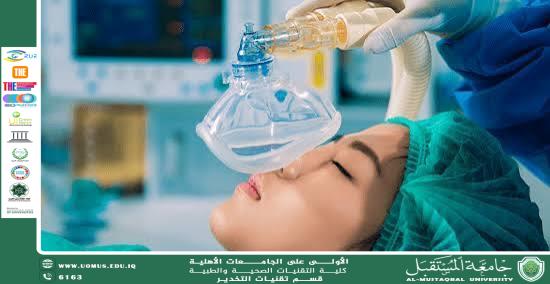
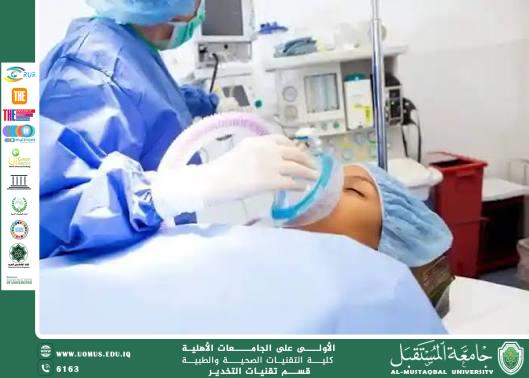
Pain management before, during, and after anesthesia
Pain management before, during, and after anesthesia is a key factor in the success of surgical procedures. It helps reduce stress, improves the body’s response to anesthesia, and accelerates recovery. Modern pain management relies on integrated strategies applied across three stages to maximize effectiveness and reduce complications.
1. Preoperative Pain Management
This stage begins with a comprehensive assessment of the patient’s condition, the expected level of pain, and the type of surgery. An appropriate protocol is prepared that includes:
• Using non-steroidal anti-inflammatory drugs to reduce anticipated inflammation.
• Administering long-acting analgesics when needed.
• Applying preoperative local anesthesia in certain procedures to lessen pain from the outset.
These measures reduce the required amount of anesthesia during surgery and help maintain stable vital signs.
2. Intraoperative Pain Management
Pain control during surgery involves combining general or local anesthesia with supportive techniques such as:
• Regional anesthesia, including nerve blocks or spinal/epidural injections.
• Using opioid and non-opioid analgesics according to the patient’s condition to control anesthetic depth.
• Continuous monitoring of vital signs to balance analgesic effectiveness with patient safety.
These approaches help prevent strong pain responses and reduce neurological stress during the procedure.
3. Postoperative Pain Management
This phase is crucial for safe and rapid recovery and includes:
• Administering multimodal analgesics in precise doses, such as opioids, paracetamol, and anti-inflammatory drugs.
• Employing extended local anesthesia techniques, such as nerve catheters that provide prolonged pain relief.
• Regularly assessing pain intensity and adjusting the treatment plan based on the patient’s response.
Effective postoperative pain control supports early mobility, reduces stress, and accelerates tissue healing.
Conclusion
Pain management across all three stages has become an essential component of modern anesthesia protocols. It directly improves surgical outcomes, enhances care quality, and speeds recovery. This integrated approach contributes significantly to patient safety and overall surgical experience.
Lina Alaa Hussein
Al-Mustaqbal University
The First University in Iraq.