Scientific Article by Ms. Tabarak Ahmed Turki Al-Azzawi Title: Stem Cell Therapy for Kidney Failure: An Advanced Technique That Transforms Patients’ Lives
Introduction
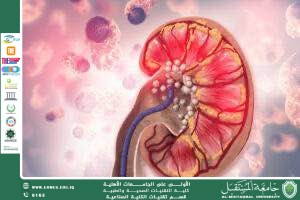
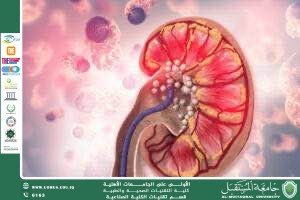
Kidney failure is one of the most serious chronic diseases that threaten human life and greatly affect its quality. It leads to a gradual decline in the kidneys’ ability to filter toxins from the blood and regulate the balance of fluids and electrolytes. Despite major advances in dialysis and organ transplantation, there is still a need for a radical treatment capable of restoring normal kidney function. In this context, stem cells have emerged as one of the most important modern medical innovations, offering great hope for repairing and regenerating damaged kidney tissues.
⸻
Stem Cell Therapy
Stem cell therapy relies on the ability of these cells to divide and differentiate into various types of specialized cells, including kidney cells. Stem cells are usually obtained from bone marrow, blood, or adipose tissue, then cultured and prepared under precise laboratory conditions before being injected into the patient’s body.
After injection, the stem cells migrate to the damaged areas of the kidneys, where they work to:
• Stimulate the regeneration of damaged tissues.
• Secrete growth factors that help repair kidney cells.
• Reduce inflammation and fibrosis associated with kidney failure.
These properties give stem cells a unique ability to restore part of the lost kidney function and improve the patient’s biological performance indicators.
⸻
Advantages and Challenges
Stem cell therapy offers several advantages, including:
• Self-regeneration of tissues without the need for a kidney transplant.
• Reduced risk of immune rejection when using the patient’s own cells.
• Decreased dependence on long and exhausting dialysis sessions.
However, there are still some challenges, such as high costs, limited availability, and the need for more long-term studies to ensure safety and effectiveness.
⸻
Conclusion
Stem cell therapy represents a true medical revolution in the treatment of kidney diseases, combining science and biotechnology to restore hope for patients suffering from kidney failure. With ongoing research and the development of cell culture and differentiation techniques, this method is expected to become a main therapeutic option in the near future, helping to improve patients’ lives and reduce the need for dialysis and organ transplantation.
Al-Mustaqbal University the First in Iraq