A Scientific Article by Lecturer Dr. Dalia Shaker Obeida, Entitled: Alcoholic Fatty Liver Disease
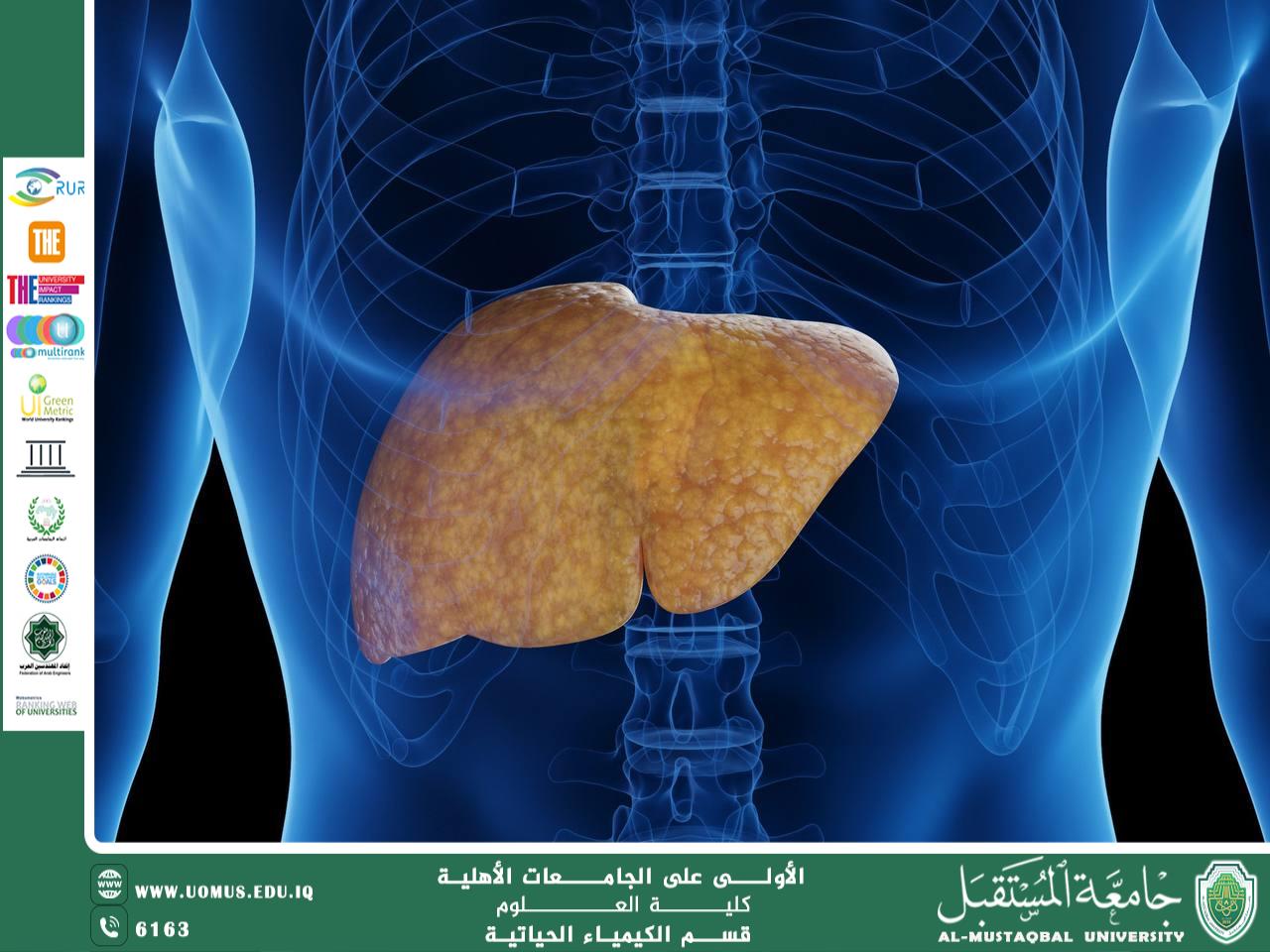
Alcoholic Fatty Liver Disease is one of the most serious consequences of long-term excessive alcohol consumption. It represents the first stage in the spectrum of alcohol-related liver diseases, which can progress to alcoholic hepatitis and ultimately to cirrhosis. This condition is characterized by the accumulation of fat inside liver cells, leading to disruption of its vital functions and potentially causing gradual destruction of its tissues.
Mechanism of Disease Development
When alcohol is consumed, the liver breaks it down using specific enzymes such as Alcohol Dehydrogenase (ADH) and Acetaldehyde Dehydrogenase (ALDH). This process produces toxic compounds like acetaldehyde, which damages liver cell membranes and disrupts fat metabolism. This leads to the accumulation of triglycerides inside the cells and increased production of free radicals that cause inflammation and oxidation in liver tissues.
Clinical Stages of the Disease
Alcoholic fatty liver disease progresses through several main stages:
1. Alcoholic Steatosis: The first stage, characterized by fat accumulation without significant inflammation. It is often asymptomatic and discovered incidentally through laboratory tests or imaging.
2. Alcoholic Hepatitis: This stage involves inflammation and swelling of liver cells. Symptoms such as jaundice, pain in the upper right abdomen, and fever may appear.
3. Cirrhosis: An advanced stage marked by the replacement of healthy liver cells with fibrous tissue. It leads to chronic liver failure, ascites (fluid retention in the abdomen), and esophageal varices.
Symptoms and Signs
Common symptoms and signs include: general fatigue, loss of appetite, enlarged liver, jaundice, sleep and concentration disturbances, and elevated liver enzymes in laboratory tests.
Diagnosis
Diagnosis relies on medical history and alcohol consumption, along with laboratory tests (showing a characteristic ratio of elevated AST and ALT enzymes), ultrasound imaging that reveals fat accumulation, and sometimes a liver biopsy to confirm the presence of inflammation or fibrosis.
Treatment
The primary treatment is complete abstinence from alcohol, as the liver can recover significantly within weeks to months in the early stages. Treatment steps include stopping alcohol consumption, following a healthy diet rich in protein and vitamins (especially B and E), using antioxidant medications, and in severe cases, liver transplantation.
Prevention
Preventive measures include completely avoiding alcohol or minimizing its consumption, following a balanced diet, exercising regularly, periodic liver enzyme screening for at-risk individuals, and public awareness about the dangers of alcohol.
Conclusion
Alcoholic fatty liver disease is a silent condition in its early stages but carries severe consequences if left untreated. Awareness and abstinence from alcohol are the two fundamental means of preventing it and maintaining a healthy liver.
Al-Mustaqbal University, The First University in Iraq.