Insects as Forensic Evidence: Science, Techniques, and Applications (M.M. Howayda Nazzal Hussein)
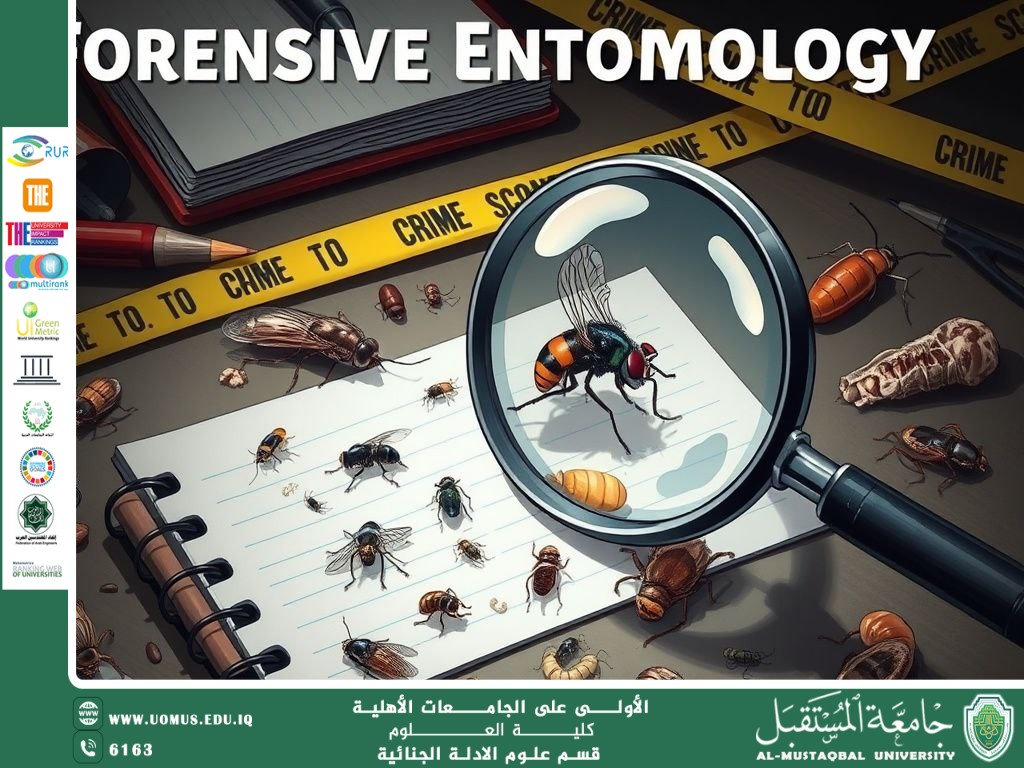
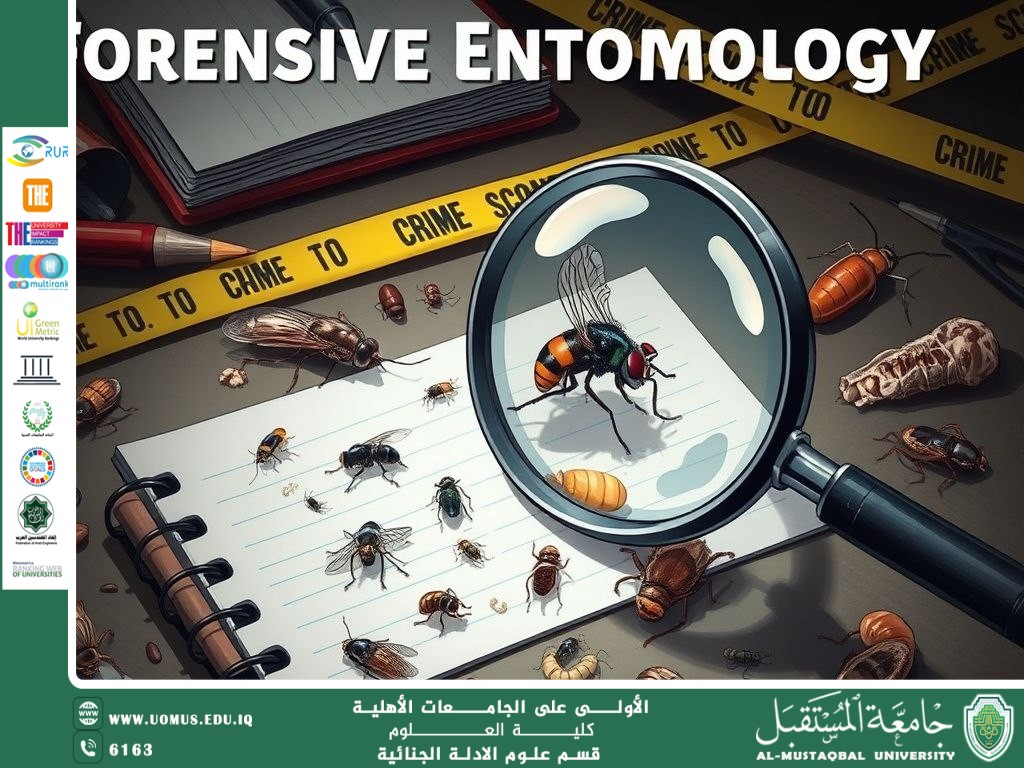
Insects as Forensic Evidence: Science, Techniques, and ApplicationsInsects are among the most valuable non-traditional forms of forensic evidence, playing a crucial role in determining the time and circumstances of death, and sometimes even helping identify the victim. This specialized field, known as Forensic Entomology, combines biological knowledge with forensic science to assist in criminal investigations.
Experts rely on the life cycle of insects that feed on decomposing remains to estimate the Postmortem Interval (PMI). Each developmental stage — egg, larva, pupa, and adult — occurs within a specific timeframe influenced by temperature, humidity, and environmental conditions.
Among the most studied insects are blowflies (Calliphoridae) and carrion beetles (Silphidae), as they are directly associated with the process of decomposition.
Insects can also provide clues about body relocation, since different species inhabit distinct habitats (urban, rural, or forested areas). Furthermore, larvae feeding on human tissues can reveal the presence of drugs or toxins, serving as biological substitutes when human tissues are no longer analyzable.
Modern forensic entomology employs advanced DNA analysis techniques, decomposition modeling, and computer-based environmental simulations to enhance the accuracy of results.
Through these scientific and technological advances, insects have become powerful forensic tools — bridging the gap between biology, technology, and justice.
Al-Mustaqbal University – the first university in Iraq.
SDG4