A scientific article by M.M. Zahra Hazim Hamed Lecturer Improving Biofuel Production from Waste Using Computational Chemistry
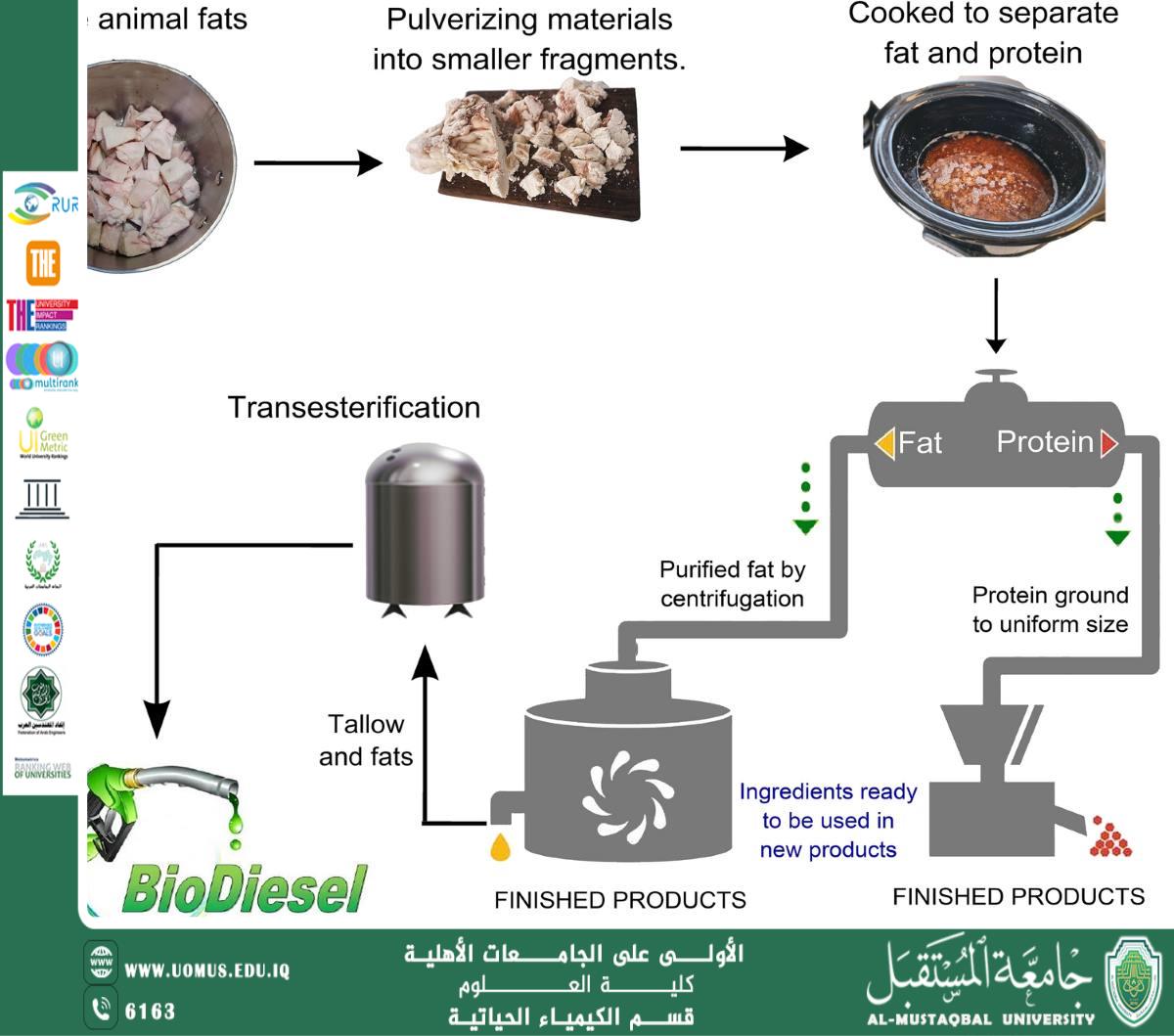
Biofuels represent a pivotal alternative energy source, contributing to reduced reliance on fossil fuels and the global fight against climate change. Recent research is increasingly focused on enhancing biofuel production from organic waste through advanced technologies such as computational chemistry and machine learning. These tools provide a profound understanding of chemical and biological processes, enabling the optimization of waste-to-biofuel conversion efficiency. This article explores how these advanced methodologies can refine production processes and offers policy insights to support this initiative.
1. Computational Chemistry: Enhancing Understanding and Innovation
Computational chemistry is a powerful tool for studying chemical processes at the molecular level. Using computer simulations, scientists can investigate the interactions of various materials derived from waste for biofuel conversion. For instance, simulating the reactions of organic compounds within waste streams allows for the analysis and selection of the most suitable materials and optimal pathways for efficient conversion into biofuels.
A key role of computational chemistry lies in optimizing catalytic processes used to transform organic matter into ethanol or biodiesel. By simulating chemical reactions, it is possible to identify the most effective operational conditions—such as temperature and pressure—and select the most efficient catalysts. This targeted approach significantly reduces production costs and increases yields.
2. Machine Learning: Accelerating Development and Optimization
Machine learning (ML) techniques play a crucial role in advancing biofuel production from waste. By analyzing vast datasets, ML algorithms can predict the most efficient processes and the most effective feedstock compositions for conversion. Deep learning models can be employed to analyze available environmental and industrial data, guiding researchers toward innovative solutions.
For example, ML algorithms can process data from waste-to-biofuel conversion experiments to identify patterns that lead to optimal outcomes. This capability drastically reduces the time and costs associated with physical trial-and-error testing, thereby accelerating the development of production technologies.
3. Policy Insights: Supporting the Transition to Biofuels
Technological advancements in biofuel production require robust support from both governmental policies and the private sector. While the technology holds immense promise, its success hinges on significant investment in research and development (R&D), coupled with legislation that champions environmental sustainability.
Policies should focus on stimulating innovation through financial incentives for projects that utilize waste for biofuel production. Concurrently, stringent environmental standards must be established to ensure that industrial processes do not harm the ecosystem and that the waste materials used are safely converted.
Support for educational and training programs focused on computational chemistry and machine learning is also essential. This will help build a specialized human resource base in this field. Furthermore, legislation should promote the use of biofuels as a viable alternative to fossil fuels through strategic marketing initiatives and by encouraging corporations to adopt these sustainable solutions.
Conclusion
The enhancement of biofuel production from waste using computational chemistry and machine learning is a fundamental step toward achieving environmental and economic sustainability. By integrating these cutting-edge technologies with effective policy support, the global capacity to convert waste into valuable biofuel can be significantly strengthened.This integrated approach is crucial for mitigating negative environmental impacts and addressing global challenges related to energy security and climate change.
The Future University - Premier among Iraqi Private Universities