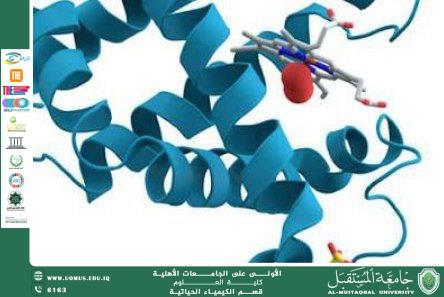

Scientific Article by Hawraa Ali titled "Biochemistry of Hormones and Their Role in Regulating Biological Processes"
Hormones are among the most important regulatory molecules in the human body, acting as chemical messengers that transmit instructions from endocrine glands to target tissues. Biochemistry intersects with the study of hormones in terms of their structure, mechanism of action, and their effect on biological reactions within the body. Through understanding the biochemistry of hormones, we can explain how the body regulates metabolism, growth, reproduction, and maintains homeostasis.
Chemical Structure of Hormones
Hormones are not identical in their chemical structure, as they are divided into three main classes:
1. Peptide Hormones:
· Examples: Insulin, glucagon, pituitary hormones
· Composed of amino acid chains
· Easily soluble in water
2. Steroid Hormones:
· Examples: Estrogen, testosterone, cortisol
· Derived from cholesterol
· Lipid-soluble and easily penetrate cell membranes
3. Amino Acid-Derived Hormones:
· Examples: Adrenaline (from tyrosine) and melatonin (from tryptophan)
· Possess intermediate characteristics between the previous two types
Mechanism of Hormone Action
Hormones work by binding to specific receptors located on the cell surface or inside the cell:
· Peptide hormones bind to surface receptors and activate secondary messenger systems like cAMP, leading to a cascade of intracellular reactions.
· Steroid hormones enter the cell and bind to nuclear receptors, directly affecting gene expression.
Role of Hormones in Regulating Biological Processes
Hormones regulate nearly all biological activities in the body, such as:
1. Blood Sugar Regulation:
· Insulin lowers blood glucose concentration, while glucagon raises it.
2. Growth and Development:
· Growth hormone (GH) stimulates cell division and tissue growth.
3. Reproduction and Sexual Functions:
· Estrogen and progesterone regulate the menstrual cycle in females, while testosterone regulates male characteristics.
4. Body Stress Response:
· Cortisol and adrenaline increase body activity to cope with emergency situations.
5. Salt and Water Balance:
· Aldosterone and antidiuretic hormone (ADH) maintain blood pressure and fluid balance.
Biochemistry of Hormonal Disorders
Any imbalance in hormone production or reception leads to serious biological disorders such as:
· Diabetes due to insulin deficiency or resistance
· Hypothyroidism due to reduced thyroxine production
· Polycystic Ovary Syndrome (PCOS) due to imbalances in androgen and estrogen hormones
Analysis of these disorders relies on biochemical tests to measure hormone concentrations in blood or urine.
Conclusion
The study of hormone biochemistry is key to understanding how the body works and regulates its biological activities. Through knowledge of hormone structure and mechanism of action, physicians and scientists can explain many diseases and establish foundations for hormonal therapy. Hormonal balance represents the essence of health, and any imbalance directly affects all body functions.
Al-Mustaqbal University, The First University in Iraq.