The Transition Toward a Green Economy in Iraq
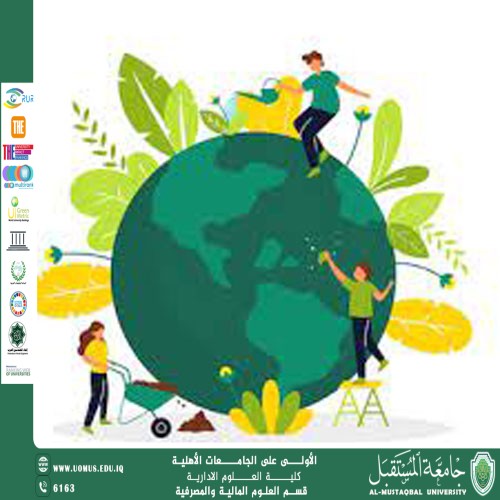
The transition toward a green economy is one of the most important modern approaches to achieving sustainable development worldwide. This economic model aims to balance economic growth with environmental protection. In Iraq, this transformation has emerged as a strategic option to address growing environmental and economic challenges, especially given the country’s heavy dependence on oil as the main source of public revenue.
Over the past decades, Iraq has faced numerous environmental crises, such as pollution from oil extraction, increasing desertification, land degradation, and water scarcity. These challenges have made it necessary to search for a new and more sustainable economic model that focuses on efficient use of natural resources, promotion of renewable energy, and reduction of carbon emissions.
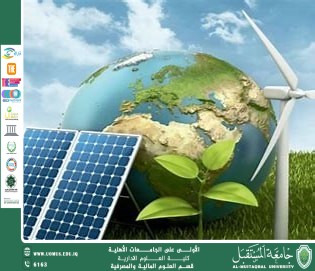
Transitioning toward a green economy in Iraq requires comprehensive structural reforms in both economic and environmental policies, as well as the establishment of laws that encourage investment in clean sectors. For example, the government can support solar and wind energy projects—especially in southern and western regions rich in sunlight—creating new job opportunities and reducing pressure on the national electricity grid.
Iraq can also benefit from international support dedicated to developing countries in the field of environmental transition by forming partnerships with international organizations and global companies to transfer modern technology and train national staff. Raising environmental awareness among citizens is equally essential, as the success of a green economy relies on active and responsible community participation.
Achieving the transition toward a green economy in Iraq is not an easy task, but it is a necessary step toward building a sustainable economy capable of meeting the needs of the present generation without harming the rights of future ones. The green transformation is not only about protecting the environment but also about building a diversified and resilient economy that reduces financial vulnerability caused by fluctuations in oil prices.