Treatment of Fractures at an Accident Scene
Step-by-Step Initial Treatment
Step 1: Ensure Safety and Assess the Situation
• Check for Danger: Make sure the area is safe for you and the victim (e.g., traffic, fire, falling objects).
• Call for Help: If the person is seriously injured, has multiple fractures, or is unresponsive, call emergency services immediately.
• Do Not Move the Person: Unless there is an immediate threat to life (e.g., a burning vehicle), avoid moving the victim. Moving someone with a possible spinal or neck injury can cause permanent paralysis.
Step 2: Perform a Primary Survey (Check for Life-Threatening Issues)
Follow the DRSABCD protocol:
• Danger: Ensure the scene is safe.
• Response: Check if the person is conscious. Tap their shoulder and ask, “Are you okay?”
• Send for Help: If unresponsive, call emergency services.
• Airway: Make sure the airway is clear.
• Breathing: Check for normal breathing.
• CPR: If the person is not breathing, start CPR if trained.
• Defibrillation: Use an AED if available and required.
Step 3: Look for Signs of a Fracture
Once life-threatening issues are managed, check for:
• Deformity: Limb looks bent or in an abnormal position.
• Swelling and Bruising: Around the injured area.
• Inability to Move the Limb: Movement is extremely painful or impossible.
• Visible Bone: Bone protruding through the skin (open/compound fracture).
• Grating Sound: A grinding sensation when the limb is touched or moved (crepitus).
• Severe Pain and Tenderness: Especially with movement.
Step 4: Provide General Care for the Fracture
1. Control Bleeding and Cover Wounds (For Open Fractures)
• Apply gentle pressure around the wound, not on the exposed bone.
• Cover the wound with a sterile dressing or clean cloth.
• DO NOT attempt to push the bone back inside.
2. Immobilize the Injury
• Prevent movement of the broken bone and the joints above and below it.
• Use available materials such as a board, rolled newspaper, stick, or even an umbrella as a splint.
• Pad the splint for comfort using cloth or towels.
• Secure the splint with bandages or strips of cloth—tight enough to hold but not cut circulation.
3. Apply a Sling (For Arm Injuries)
• Use a triangular bandage or a large cloth.
• Keep the hand slightly elevated above the elbow.
4. Manage Shock
• Lay the person down, keep them warm with a blanket, and elevate their legs (unless a leg, hip, or spine injury is suspected).
5. Comfort and Reassure
• Stay with the person until help arrives.
• Keep them calm and still.
What NOT To Do (Critical Mistakes)
• DO NOT straighten or “reset” the bone.
• DO NOT move the person unnecessarily, especially if a head, neck, or spinal injury is suspected.
• DO NOT give food or drink (in case surgery is needed).
• DO NOT apply a tourniquet unless trained and bleeding is uncontrollable.
• DO NOT tie bandages tightly over the fracture site.
Summary: Key Priorities at the Scene
1. Call emergency services.
2. Do not move the victim.
3. Control bleeding (for open fractures).
4. Immobilize the injured area with a splint or sling.
5. Treat for shock and provide reassurance.
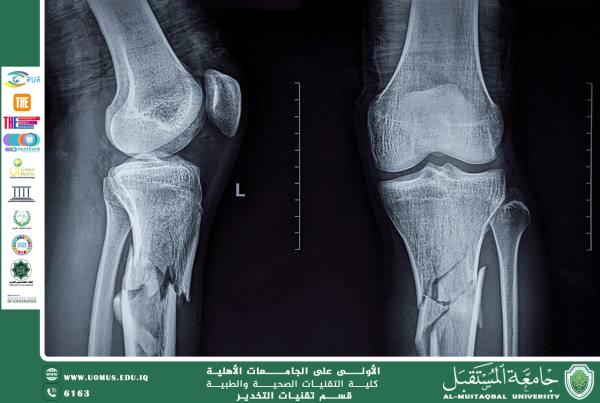
Professional medical care—including X-rays, casting, or surgery—will be provided by emergency responders and hospital staff. Your role at the scene is to provide essential first aid to prevent further injury.
Talib Chichan
Al-Mustaqbal University
The First University in Iraq