
The impact of artificial intelligence on the labor market and jobs
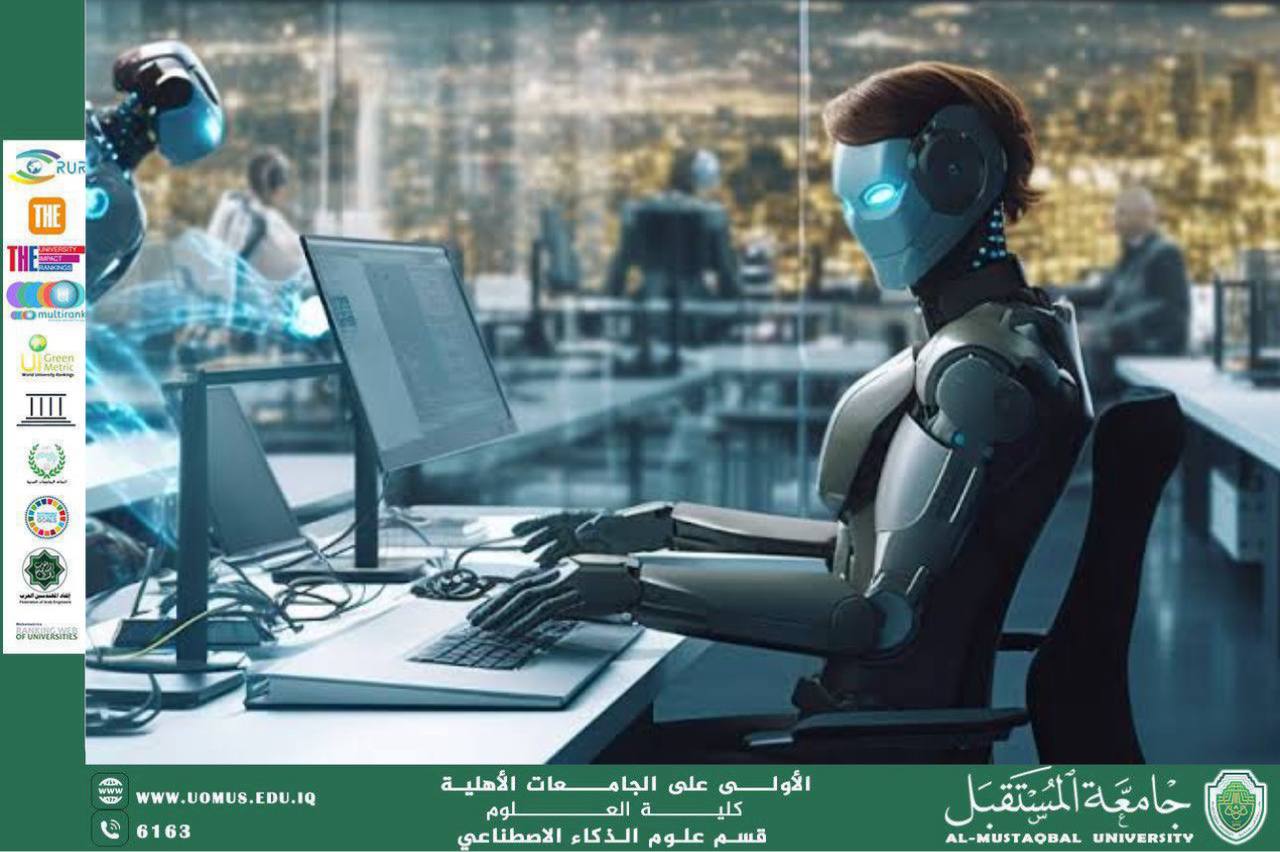
The world is witnessing a major transformation due to the rapid development of artificial intelligence technologies, which has left a clear impact on the labor market and the nature of jobs. Intelligent systems are able to perform tasks that were exclusive to humans, such as data analysis, image recognition, and iterative process management. This shift has led to an increased reliance on automation within organizations.
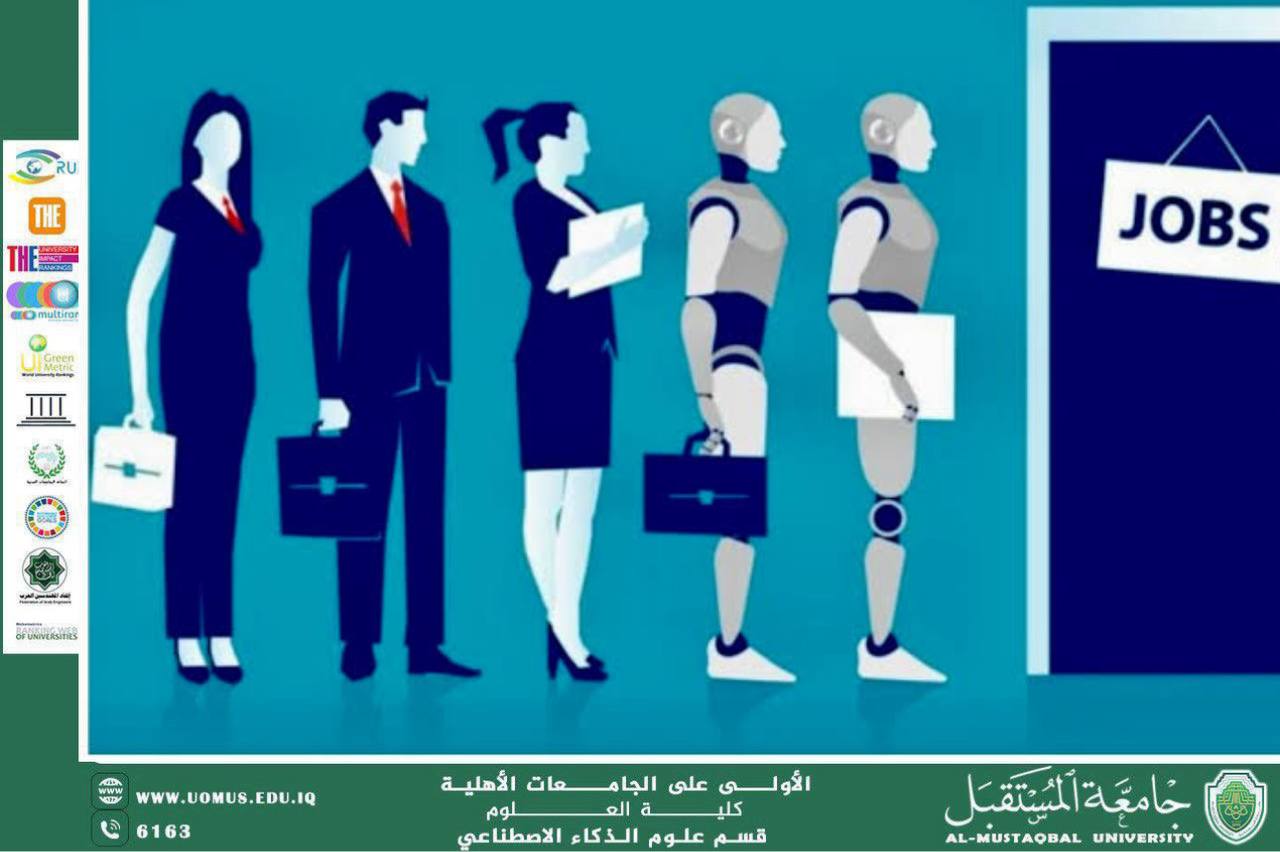
On the other hand, the spread of artificial intelligence raises fears of the decline of some traditional jobs, especially routine tasks that do not require high thinking skills. However, this shift is not entirely negative; it opens the way for the emergence of new functions based on digital skills, such as data engineering, algorithm analysis, and intelligent systems management.
Artificial intelligence also helps companies improve productivity and reduce errors, increasing opportunities for innovation and creating a more sophisticated work environment. At the same time, employees are driven to constantly develop their skills to keep up with this rapid change.
In general, artificial intelligence leaves a double impact on the labor market; it changes the nature of jobs, and replaces some of them, but in return contributes to the creation of new job opportunities and enhances the efficiency of various sectors. Investing in digital skills remains the most important factor in adapting to this accelerated future