Vitaamin D dificiency and treatment
Vitamin D deficiency is a very common condition worldwide.
What is Vitamin D and Why is it Important?
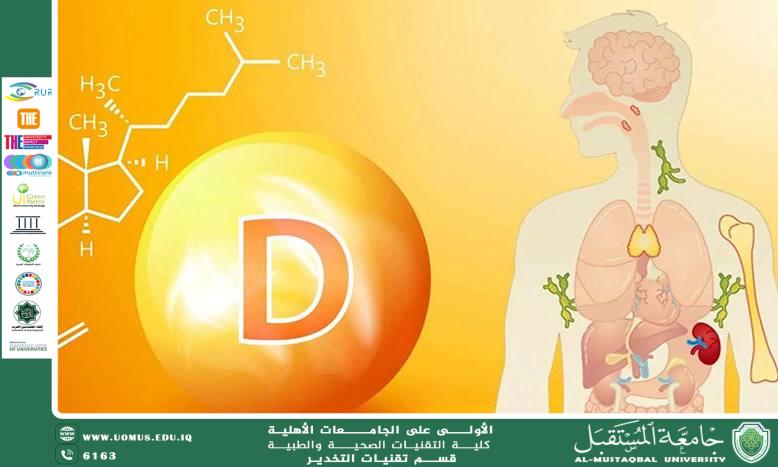
Vitamin D is a fat-soluble vitamin that functions like a hormone in your body. Its most vital role is to help your intestines absorb calcium and phosphorus, which are essential for building and maintaining strong bones. It also plays a key role in immune system ,musculoskeletal system ,nervous system, and cell growth.
Common Causes of Vitamin D Deficiency
1-Lack of Sun Exposure: Your skin produces Vitamin D when exposed to sunlight. Modern lifestyles (working indoors, wearing sunscreen, living in high latitudes) greatly reduce this
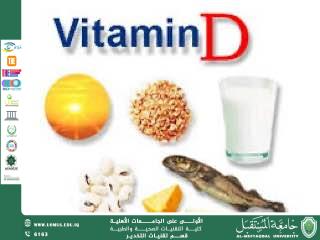
2-Dietary Insufficiency: Very few foods naturally contain Vitamin D. Good sources include fatty fish (saloon, mackerel), egg yolks, and fortified foods (milk, orange juice, cereals)
3-Darker Skin Tone: The pigment melanin reduces the skin's ability to produce Vitamin D from sunlight.
4-Problems with Absorption: Certain medical conditions like Crohn's disease, celiac disease, and cystic fibrosis can prevent the gut from absorbing Vitamin D properly.
5-Obesity: Vitamin D is extracted from the blood by fat cells, altering its release into the circulation.
6-Kidney or Liver Problems: These organs are needed to convert Vitamin D into its active form. If they aren't functioning well, deficiency can occur.
7-Age:old age, the skin becomes less efficient at producing Vitamin D infants are also at risk of not receiving enough vitamin D. This is especially true for infants who are only fed breast milk, as it contains only a small amount of vitamin D.
8-medications can lower vitamin D levels, like Laxatives. Steroids
Cholesterol-lowering drugs (such as cholestyramineand colestipol).
Seizure-preventing drugs (such as phenobarbital and phenytoin).Rifampin
Signs and Symptoms of Vitamin D Deficiency,
a deficiency is "silent" and has no obvious symptoms. However, as it becomes more severe, symptoms can include:
1-Fatigue and Tiredness: A persistent feeling of low energy is one of the most common signs.
2-Bone and Back Pain: Vitamin D is crucial for bone metabolism; deficiency can cause aching pain in the bones and lower back.
3- Illness or Infections: a Vitamin D is vital for immune function. Getting sick often, especially with colds or the flu, can be sign.
4-Depression or Low Mood: There is a strong link between low Vitamin D levels and mood disorders, particularly seasonal affective disorder (SAD).
5-Impaired Wound Healing: Slow healing of wounds after surgery or injury can be a sign.
6-Bone Loss: Vitamin D plays a critical role in calcium absorption, and its deficiency is a direct cause of osteopenia and osteoporosis.
7-Hair Loss: Severe stress or illness can cause hair loss, and severe Vitamin D deficiency is one potential factor.
8-Muscle Pain: There are Vitamin D receptors in nerve cells that sense pain, and deficiency is often linked to muscle aches and weakness.
9-Incorrect growth patterns due to bowed or bent bone ,deformity in joint with pain.
How is it Diagnosed?
The only way to know for sure if you are deficient is through a simple blood test called the 25-hydroxy Vitamin D test.
Sufficient: 20 ng/mL or above (50 nmol/L)
Insufficient: 12–20 ng/mL (30–50 nmol/L)
Deficient: Below 12 ng/mL (30 nmol/L)
Treatment and Prevention
1. Increased Sun Exposure: Aim for about 10-30 minutes of midday sun exposure several times a week, depending on your skin tone and location. Always be mindful of skin cancer risk and avoid sunburn.
2. Dietary Changes:
Incorporate more Vitamin D-rich foods: Fatty fish (tuna, mackerel, salmon) Egg yolks Fortified dairy products, orange juice, and cereals Beef liver Cod liver oil
3. Supplements:
This is the most common and effective treatment. Vitamin D comes in two formsD2 From plant sources. (ergocalciferol):
D3 (cholecalciferol): From animal sources and the type your skin makes. D3 is generally considered more effective at raising blood levels.
Important: Always consult with a doctor before starting supplements.
They can determine the correct dosage for you (which can
range from 600 IU to 4000+ IU daily, or a high weekly dose), as it's possible to take too much Vitamin D, leading to toxicity.
What happens if it's left untreated?
Long-term, severe deficiency can lead todecline in calcium and phosphorus absorption by your intestines leads to hypocalcemia (low calcium levels in the blood). This leads to secondary hyperparathyroidism (overactive parathyroid glands attempting to keep blood calcium levels normal).Both hypocalcemia and hyperparathyroidism, if severe, can cause symptoms, including muscle weakness and cramps, fatigue and depression. And result asosteoporosis and osteomalacia in adults (brittle, fragile bones).in adults (soft bones, causing bone pain and muscle weakness) with high risk of fracture
Rickets in children (a disease causing soft bones and skeletal deformities).
Talib Chichan
Al-Mustaqbal University
The First University in Iraq.