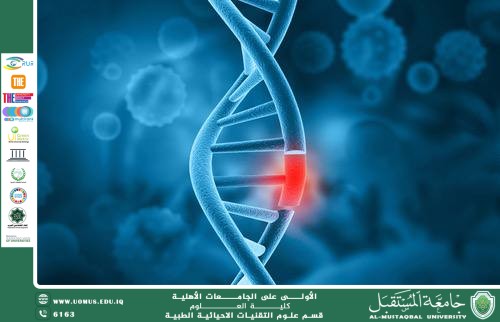

Here is the English translation: **A scientific article titled “Genetic Diseases” by (Ahmed Jalal Neama).**
**Genetic diseases represent a major challenge in healthcare, as they result from mutations or changes in the genetic material (DNA). With the tremendous advancements in medical biotechnology, early detection of these mutations with high accuracy has become possible, enabling the early diagnosis of genetic disorders and the development of appropriate therapeutic or preventive plans.**
1. **PCR Technique (Polymerase Chain Reaction)**
• Used to amplify specific segments of DNA to detect disease-causing mutations, such as in sickle cell anemia.
2. **Whole Genome Sequencing**
• Allows the full reading of the genetic code and the identification of variations responsible for diseases such as hereditary muscular dystrophy.
3. **Genetic Hybridization Technique (FISH – Fluorescence in Situ Hybridization)**
• Used to detect chromosomal abnormalities such as deletions or duplications, as seen in Down syndrome.
4. **The Role of Artificial Intelligence in Diagnosis**
• AI is now integrated with genetic data to accelerate analysis and help select the most suitable treatment for each patient.
**Molecular diagnosis has fundamentally transformed the concept of detecting genetic diseases by providing precise and rapid tools that assist physicians in identifying the genetic cause of a disorder and offering targeted therapy. With ongoing advancements, this field will continue to contribute to the development of personalized medicine and the improvement of patients’ quality of life.**
**Al-Mustaqbal University – The First University in Iraq.**