A scientific article by teaching assistant (Iftikhar Thamer Kamel) entitled "Understand your health through the connection of your body parts to emotions"
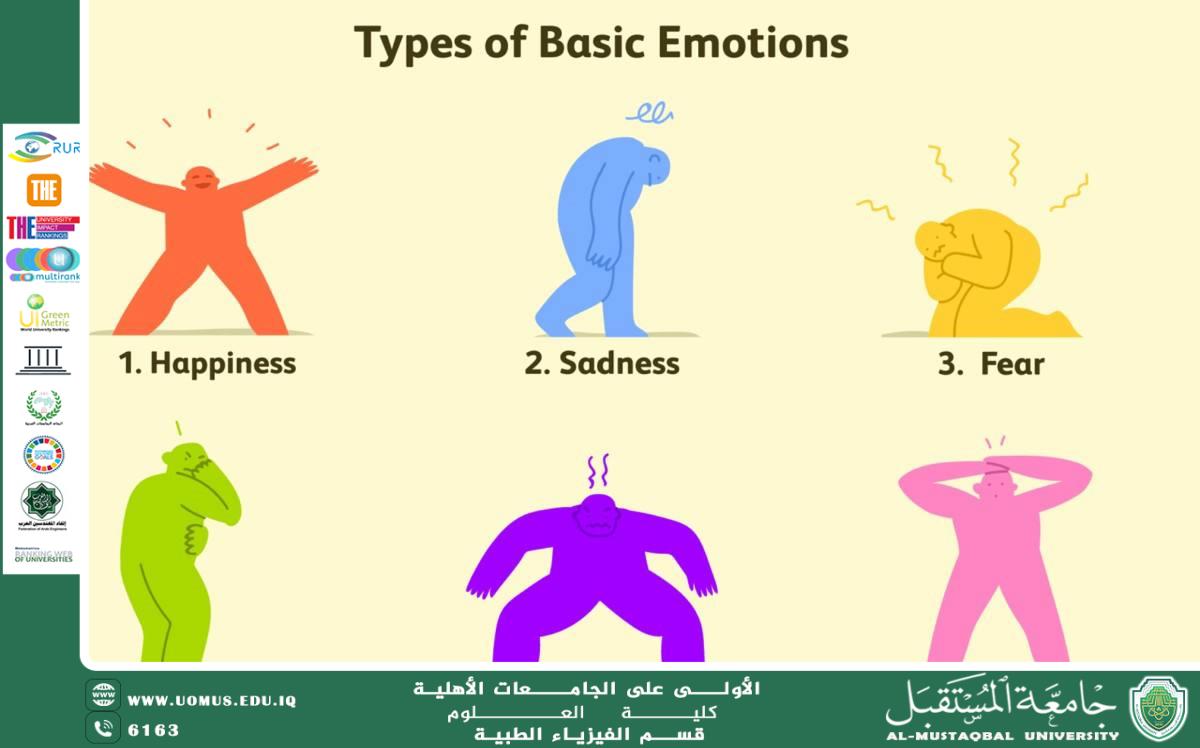
Modern research in psychosomatic medicine shows that emotions are not just feelings, but complex biological processes that directly influence the body’s organs and vital functions. Anxiety, anger, sadness, and even happiness leave measurable effects on the body.
How Do Emotions Affect the Body?
When a person experiences a strong emotion, the brain sends signals through the nervous system and endocrine glands, releasing hormones such as:
• Cortisol (stress hormone)
• Adrenaline (fight-or-flight hormone)
• Serotonin and dopamine (mood regulators)
These chemicals change heart rate, blood pressure, digestion, muscle tension, and immunity. This means emotional states turn into real physical responses.
Organs and the Emotions Connected to Them
1. Heart – Anxiety
Research shows that chronic stress and anxiety can increase heart rate and affect the arteries, which explains the common sensation of “tightness” or “palpitations” during stress.
2. Stomach – Anger or Fear
The stomach is often called the “second brain” due to its large number of nerve cells. Strong emotions impact the digestive system:
• Anger → disrupts stomach and colon movement
• Fear → tightens the stomach and reduces appetite
• Stress → increases acid production, causing heartburn
3. Liver – Suppressed Anger
Traditional eastern medicine links the liver to anger. While not fully proven scientifically, stress hormones do increase the liver’s metabolic workload.
4. Lungs – Sadness
Sadness often reduces the depth of breathing, causing shallow breath and chest tightness. This is why crying or emotional shock affects breathing patterns.
5. Muscles – Psychological Stress
Stress sends constant signals to tighten muscles, leading to:
• Neck and shoulder pain
• Tension headaches
• Lower back pain
These pains are often emotional, not caused by injury.
Why Do Emotional Effects Differ From One Person to Another?
Each person has a physical “weak point” influenced by:
• Genetics
• Lifestyle
• Past trauma
• Coping style
So stress may appear as headaches in some people, or digestive issues in others.
How to Understand Your Health Through Emotional Signals
1. Observe Pain and Ask Yourself: What emotion comes with it?
• Stomach pain → worry or stress
• Shoulder tension → heavy responsibilities
• Chest tightness → strong emotional pressure
2. Deep Breathing Restores Balance
Slow breathing reduces cortisol within minutes.
3. Movement Helps Release Emotional Tension
Exercise allows the body to discharge stress instead of storing it in organs.
4. Good Sleep Equals Emotional Stability
Sleep regulates mood hormones and reduces stress-related discomfort.
Conclusion
Emotions are not just internal feelings—they trigger hormonal and nervous changes throughout the body. Every organ communicates through its own “language”: pain, tightness, breath, digestion… all are signals.
Understanding these signals helps you recognize emotional imbalance before it becomes a physical health issue.
"AL_mustaqbal University is the first university in Iraq"