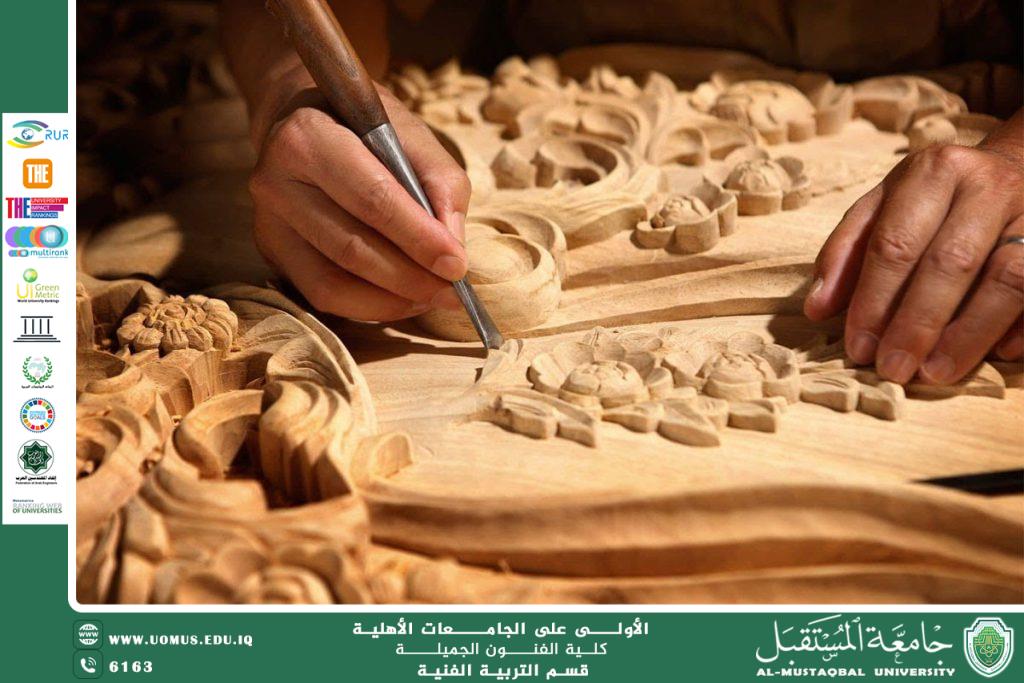

“The Impact of Modern Technology on Contemporary Sculpture” By Lecturer M.M. Ahmed Mohammed.
Contemporary sculpture is witnessing a significant transformation due to the integration of modern technology into artistic practices. This includes the use of 3D printing, digital modeling, laser techniques, and advanced design software, which have enabled artists to create innovative artworks that go beyond traditional execution limits and explore new shapes and dimensions that were previously difficult to achieve.
These digital tools also allow for greater interaction between sculpture and the audience, as viewers can engage with digital models and follow the design and creation process directly, enhancing the viewing experience and adding an educational and artistic dimension to sculptural works.
The article also discusses the opportunities and challenges associated with technology in sculpture, such as preserving the handmade and artistic value of works, expanding audience access to art, and fostering creativity and artistic innovation. These technologies serve as an effective educational tool, allowing students and artists to experiment with ideas and analyze results quickly, contributing to the advancement of artistic and knowledge-based education.
This article comes within the framework of the Sustainable Development Goals, specifically Goal 4: Quality Education, as it supports contemporary art education and enables students and artists to acquire modern skills and apply technological innovation in developing their artworks. This contributes to preparing a creative generation capable of integrating knowledge, art, and technology, and enhances the quality of artistic and creative education in society
Almustaqbal University, The First University in Iraq