
An Article by the Head of the Department of Optics Technologies, Asst. Prof. Dr. Munther Sameen Shaker, on the Impact of the Environment on the Eyes
There are many environmental factors that can affect the eyes, but the most common are direct exposure to sunlight as well as exposure to chemicals and other harmful substances present in the air we breathe daily.
UV Radiation and the Eyes
We always strive to enjoy outdoor activities—whether swimming, mountain climbing, or skiing—yet exposure to ultraviolet (UV) rays can cause direct damage, potentially leading to sunburn that affects both the skin and the eyes.
Risks of UV Exposure:
Exposure to UV rays may lead to:
Premature aging
Skin damage
Sunburn affecting both the skin and eyes
More than 95% of UV radiation is absorbed by the front part of the eye, making sunburn one of the most common and rapid effects.
The most common eye conditions caused by UV exposure include:
Photokeratitis
Cataracts
Dry eye
How to Reduce UV Exposure
You can reduce your exposure to UV radiation by following certain protective measures:
Wearing a Hat:
Seeking shade or wearing a wide-brimmed hat is essential. Protective clothing is also important. Protecting your eyes and skin will always benefit your health.
Wearing Sunglasses:
You can reduce the risk of lens damage by wearing sunglasses or prescription sunglasses that provide adequate UV protection. It is important to choose sunglasses with UV-blocking features or polarized lenses, as polarization reduces incoming light and helps relax the eyes.
Common Eye Problems in Summer
Dry Eye:
This is very common during summer due to low humidity, high temperatures, and frequent use of air conditioners and fans. Symptoms may include redness and irritation.
Pterygium:
UV exposure can cause burns, but it can also lead to pterygium (fleshy growth) if the eyes are not protected from harmful UV rays.
How to Care for Your Eyes in Summer
Take care of your eyes just as you care for your skin. Key tips include:
Always wash your hands before handling contact lenses.
Avoid rubbing your eyes.
Protect your eyes by wearing UV-blocking sunglasses.
What Is Blue Light?
Blue light is one of the seven colors of the visible spectrum. Fluorescent lamps and LED lights are among the most common sources of blue light. It has a short wavelength but high energy.
Researchers have found a link between exposure to short-wavelength blue light and retinal damage. Unfortunately, most light emitted from mobile screens and televisions falls within this harmful wavelength range.
Main Risks of Blue Light Exposure:
Excessive exposure from screens and devices may cause:
Retinal cell damage
Vision problems
Cataracts
Dry eyes
Blurred vision
Excessive tearing
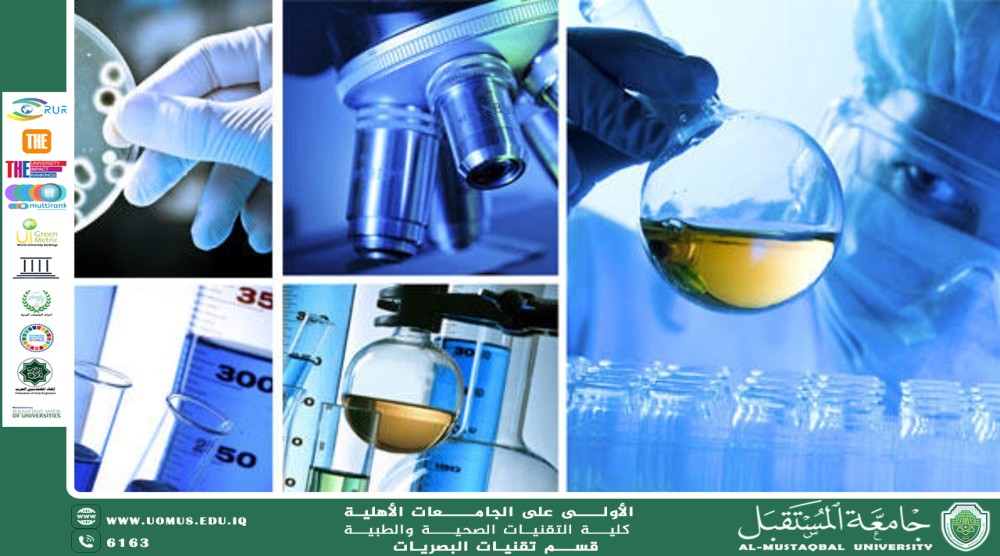
What Is a Chemical Eye Burn?
Exposure to chemicals can cause burns to the eye. Chemical burns usually affect the front of the eye and cause:
Pain
Tearing
Irritation
Redness
Swollen eyelids
Inability to keep the eyes open
Blurred vision
Foreign body sensation
Severe burns can penetrate deeper layers of the eye, increasing eye pressure and causing cataracts.
Diagnosis:
When presenting with a chemical burn, the ophthalmologist identifies the chemical responsible, performs a full eye examination, checks the eyelids, and uses diagnostic dye to assess tissue damage.
Treatment:
Although some burns cause only minor discomfort, they should never be ignored due to the risk of permanent damage.
Initial treatment includes:
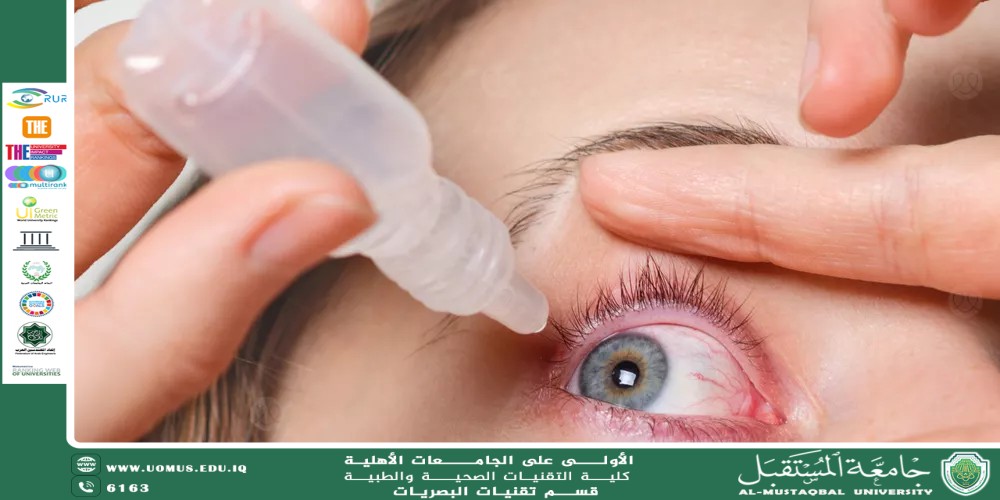
Thorough rinsing of the eye with plenty of tap water
Checking eye pH and continuing irrigation until normal levels return
Use of anesthetic drops during irrigation to reduce pain
Additional treatments may include artificial tears, medications to reduce irritation, and pain management. Severe deep burns may require surgery.
Risks of Manual Metal Cutting on the Eyes
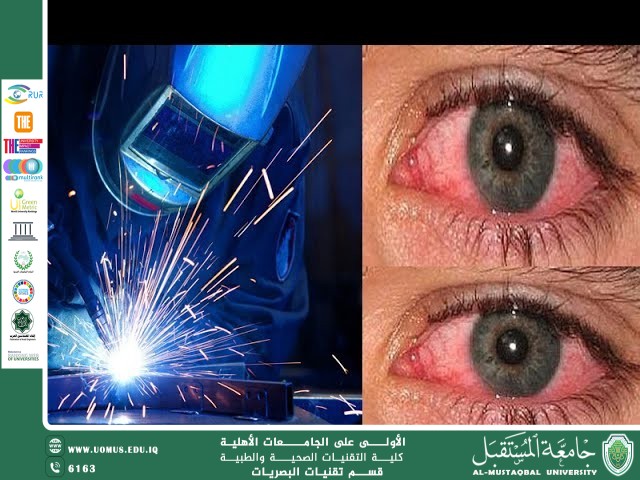
Working with electric equipment carries electrical hazards. Plasma cutters, for instance, can cause electric shock if safety measures are ignored.
The intense flash from plasma welding can also damage the eyes. “Arc eye,” or “welder’s eye,” refers to eye irritation and vision problems caused by exposure to intense welding light.
Key Safety Measures:
Use high-quality equipment and replace any damaged parts immediately.
Wear appropriate protective gear, including:
Heat-resistant clothing
Gloves
Certified welding aprons
A welding mask with dark filters to protect the eyes
General Safety Tips to Protect the Eyes from Environmental Hazards
Wear protective sunglasses, solar-protection eyewear, or welding goggles when necessary.
Use multi-coated lenses with UV protection.
Wear industrial protective eyewear—clear or tinted—when required.