The Human Brain: How It Thinks and Manages the Body's Organs? Scientific Article by Instructor Mohammed Jamal
The human brain is considered one of the most complex and miraculous organs in the human body, serving as the main center for control, thought, and regulation. Although it weighs no more than 1.4 kilograms, it contains over 86 billion nerve cells (neurons) that work in incredible harmony to ensure the continuation of life and interaction with the surrounding environment.
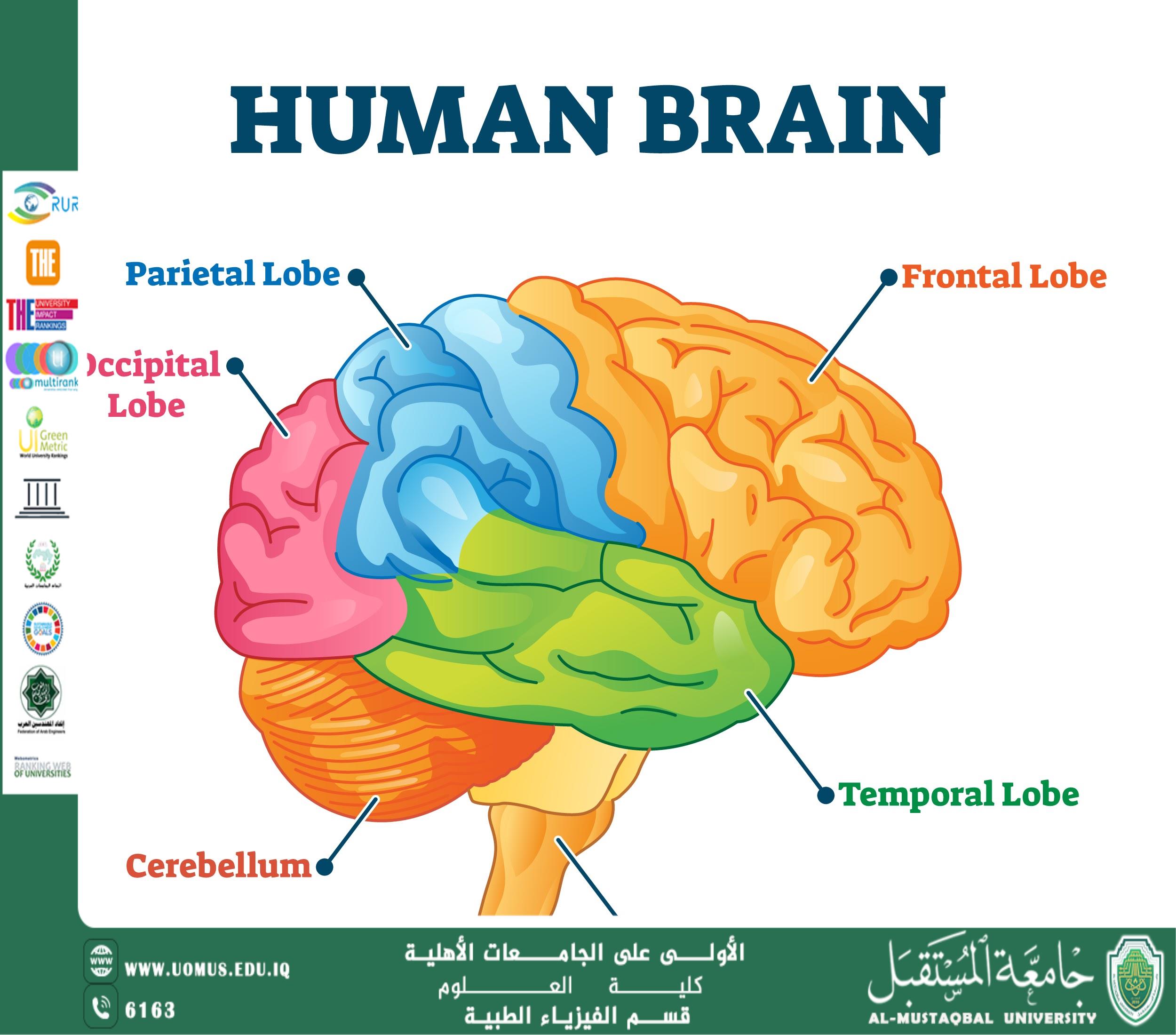
First: The Brain's Structure and Basic Functions
The brain is divided into three main parts:
1. The Cerebrum It is the largest part of the brain and is responsible for higher functions such as:
Thinking and decision-making
Intelligence, memory, and learning
The five senses (sight, hearing, smell, touch, taste)
Voluntary movement
The cerebrum consists of two hemispheres: the right and the left. Each hemisphere is responsible for specific tasks, with the left often specializing in language and analysis, while the right is associated with creativity and imagination.
2. The Cerebellum It oversees:
Coordination of movement
Balance
Muscular precision
Despite its smaller size compared to the cerebrum, it contains a vast number of neurons.
3. The Brainstem This is the vital part that keeps a person alive, as it regulates:
Breathing
Heart rate
Blood pressure
The process of swallowing and sleeping
Second: How Does the Brain Think?
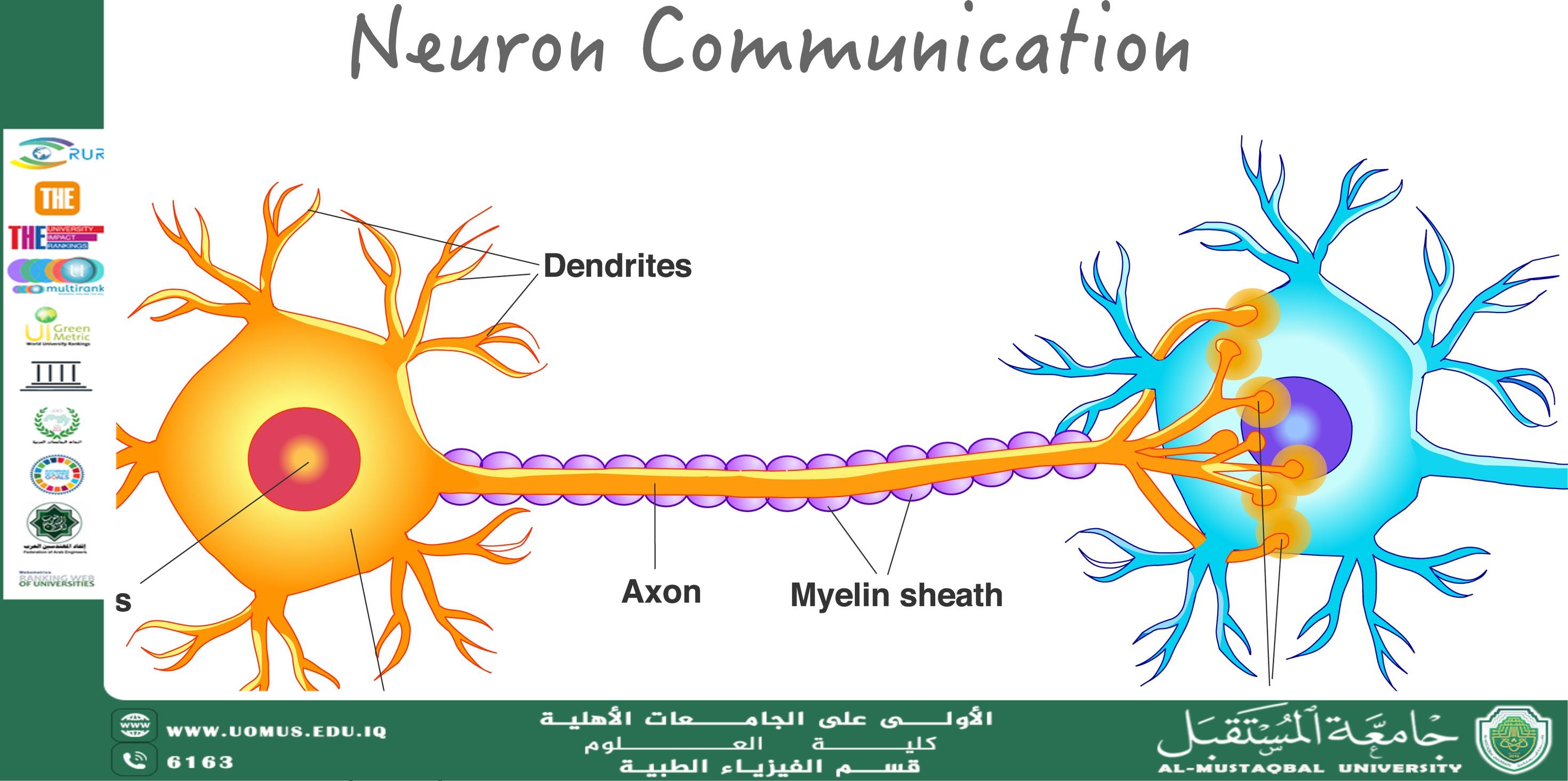
Thinking is a complex electrochemical process that occurs through nerve cells. When the brain receives information, the signal travels through:
Dendrites within the nerve cell.
The Axon, which carries the signal away.
Synapses, where the signal is transmitted by chemical neurotransmitters such as dopamine, serotonin, and acetylcholine.
These repeated and interconnected communications between billions of cells lead to the formation of thoughts, memories, analysis, emotions, and decision-making.
Third: How Does the Brain Manage the Body's Organs?
The brain is the supreme commander of the body, utilizing the nervous system to send immediate commands and the hormonal system (glands) to send long-term commands.
Through the Nervous System: Commands travel through nerves to the organs. Example: When you touch something hot, the skin sends an immediate message to the brain, which then issues a command to the muscles to pull away.
Through the Hormonal System: The brain controls the pituitary gland, often called the "master gland" because it regulates other glands. Hormones are secreted to stimulate growth, regulate sugar, control blood pressure, regulate sleep, and more.
Fourth: Neural Networks: The Brain's Language of Management
Every function in the body has its own dedicated "network" in the brain, such as:
The Motor Network: To manage muscle movement.
The Sensory Network: To receive information from the senses.
The Executive Network: For planning and decision-making.
The Memory Network: Located in the Hippocampus.
These networks work simultaneously, allowing humans to walk, think, breathe, and make decisions all at the same instant.
Fifth: Protecting the Brain
The brain is a very sensitive organ and therefore enjoys high protection, including:
The Skull
Three layers of meningeal membranes
Cerebrospinal fluid, which absorbs shocks
The blood-brain barrier, which prevents toxins from entering
Sixth: Amazing Medical Facts About the Brain
The brain consumes 20% of the body's oxygen despite its small size.
The brain can process up to 11 million bits of information per second.
The brain generates thoughts at speeds up to 300 kilometers per hour (the speed of the nerve signal).
During certain stages of sleep, brain activity is actually higher than during wakefulness.
Conclusion
The human brain remains an unparalleled medical marvel, enabling humans to think, feel, make decisions, move, and create. Despite significant scientific progress, scientists continue to discover more about its complex workings every day. Understanding this astonishing organ not only aids in the advancement of medical sciences but also in comprehending our human nature and our immense mental capabilities.
AL_mustaqbal University is the first university in Iraq.