Does the Human Clean Its Own Brain During Sleep? Scientific Article by Instructor Iftikhar Thamir
Under the patronage of the President of Almustaqbal University, Professor Dr. Hassan Shaker Majdi and the supervision of the Dean of the College of Science, Assistant Professor Dr. Furat Hamza Al-Sultani
Introduction
The question has long puzzled scientists: Why do we sleep? Although sleep appears to be a state of rest and inactivity, the brain is surprisingly active during this time. Recent research has revealed that sleep is not only for rest but is the time when the brain performs a vital process of self-cleaning and maintenance essential for our mental and physical health.
What is the Brain's "Cleaning" System?
In 2012, scientists discovered a unique network in the brain called the Glymphatic System. This system is similar to the lymphatic system in the rest of the body but is exclusively dedicated to the brain.
The function of this system is to:
Remove neuro-toxins and waste products, such as beta-amyloid proteins associated with Alzheimer's disease.
Activate the Cerebrospinal Fluid (CSF) to flush out the remnants of neural processes.
How Does Cleaning Occur During Sleep?
When we sleep, three main processes occur that facilitate the cleaning mechanism:
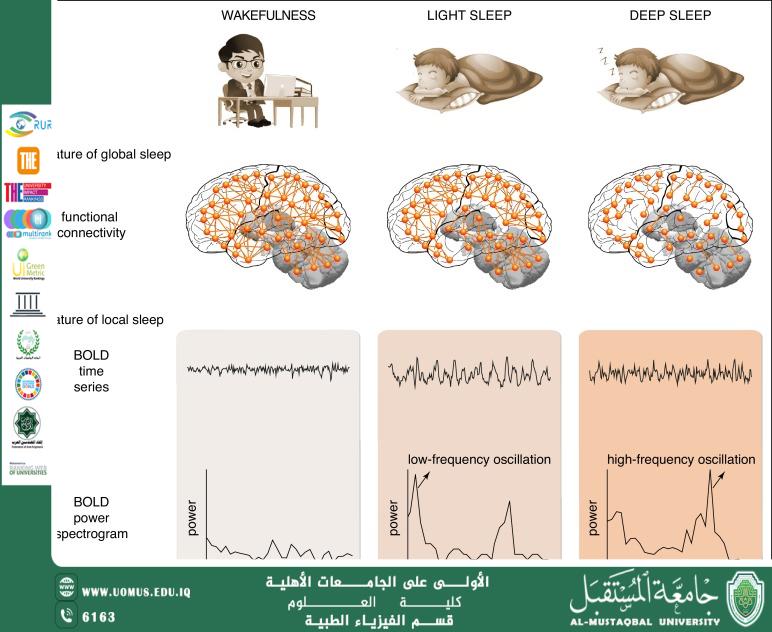
Expansion of CSF Channels: During deep sleep (NREM), channels in the brain expand by approximately 60%, allowing larger volumes of CSF to pass through and cleanse the cells.
Toxin Expulsion: Fluids flow from around the blood vessels toward the tissues and then return loaded with waste, acting precisely like an internal cleansing mechanism for the brain.
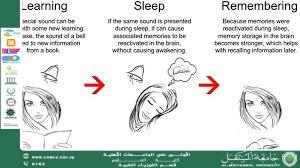
Rearrangement of Neural Connections: In addition to waste removal, the brain performs a "sorting" process, strengthening necessary connections and pruning weak links, which enhances memory and learning.
What Happens if We Don't Sleep Well?
Lack of adequate sleep means the "brain cleaning" process is not carried out efficiently, leading to:
Accumulation of toxic proteins.
Increased susceptibility to anxiety and depression.
Impaired concentration and memory.
Elevated risk of degenerative diseases like Alzheimer's.
The Benefit of Sleep for Mental Health: This nightly cleaning process maintains: mental clarity, speed of thought, emotional balance, and protection against neurodegenerative diseases of aging.
Conclusion
Yes, humans clean their own brains during sleep through a sophisticated physiological system that operates exclusively during periods of deep sleep. Sleep is not a luxury; it is a mandatory daily maintenance for the brain, without which toxins accumulate and cognitive abilities decline, confirming the importance of maintaining Good Health and Well-being (SDG 3).
AL_mustaqbal University is the first university in Iraq.