
Asst. Lecturer Zainab Ali Mohsen The Impact of Soft Drinks on Kidney Health and Their Role in Causing Kidney Failure
Introduction
The kidneys are among the most vital organs in the body, responsible for blood filtration, regulating salts and fluids, and producing essential hormones. In recent years, the consumption of soft drinks has increased significantly, prompting many scientific studies to investigate their effects on various body systems, including the urinary system. Recent evidence indicates a correlation between excessive soft drink consumption and an increased risk of both acute and chronic kidney diseases.
1. Ingredients of Soft Drinks and Their Effects on the Kidneys
Soft drinks—whether regular or diet—contain several substances that negatively affect kidney health, the most important of which are:
1.1 High-Fructose Corn Syrup (HFCS)
• Leads to elevated blood glucose and increased insulin resistance.
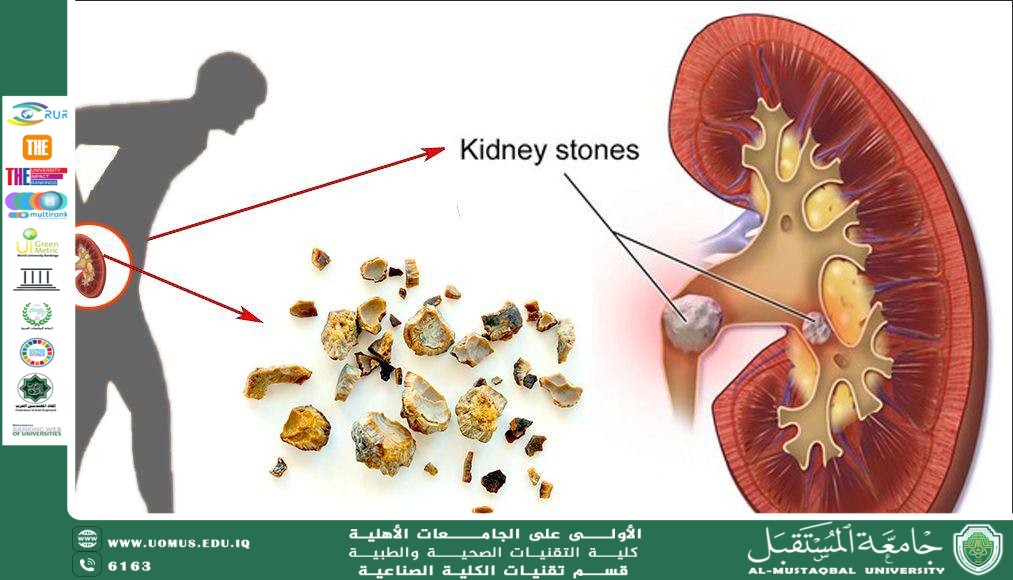
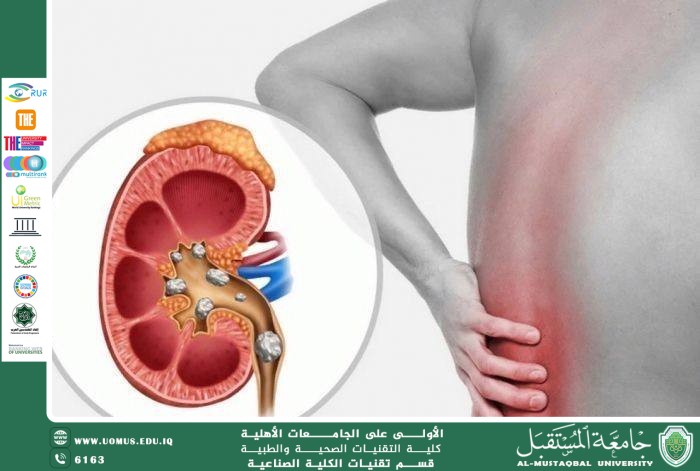
• Causes an increase in uric acid, a key factor in kidney stone formation and reduced renal blood flow.
1.2 Phosphoric Acid
• Raises phosphate levels in the blood, disrupting mineral balance.
• Increases the risk of kidney stones, especially calcium-phosphate stones.
1.3 Sodium
• Soft drinks contain considerable amounts of sodium.
• Excess sodium raises blood pressure, one of the main contributors to kidney function decline.
1.4 Artificial Sweeteners (in Diet Drinks)
• Studies suggest they may alter gut microbiota, indirectly affecting kidney health.
• Some evidence links long-term consumption to a higher risk of gradual renal impairment.
2. How Do Soft Drinks Affect Kidney Health?
2.1 Increased Risk of Kidney Stone Formation
• High-fructose beverages increase urinary excretion of calcium and oxalates.
• Phosphoric acid alters urine acidity, promoting stone formation.
2.2 Kidney Strain and Hypertension
• Elevated blood pressure caused by high sodium and sugar damages the kidney’s microvasculature.
• Chronic consumption may lead to a progressive decline in the glomerular filtration rate (GFR).
2.3 Development of Chronic Kidney Disease (CKD)
Studies indicate that:
• Drinking more than two cans per day may increase CKD risk by approximately 30–35%.
• Individuals who consume soft drinks instead of water tend to experience faster decline in kidney function with age.
2.4 Acute Kidney Injury (AKI)
• High intake of soft drinks during heat stress or dehydration can sharply reduce renal blood flow, leading to acute kidney injury.
2.5 Weight Gain and Obesity
• Obesity is a major risk factor for diabetes and hypertension—both leading causes of kidney failure worldwide.
• Each can of soft drink contains roughly 8–10 teaspoons of sugar.
3. Mechanisms Leading to Soft-Drink–Related Kidney Failure
3.1 Progressive Damage Accumulation
• Recurrent stones
• Urinary tract infections
• High blood pressure
• High blood sugar
All contribute to kidney fibrosis and nephron loss.
3.2 Oxidative Stress
Preservatives and artificial sweeteners increase free radicals, resulting in:
• Damage to kidney cells
• Reduced antioxidant levels
3.3 Chronic Inflammation
Industrial sugars and fructose cause:
• Low-grade inflammation
• Fat accumulation around the kidneys
• Disruption of electrolyte-regulating hormones
leading to gradual functional decline.
4. Are Diet Soft Drinks Safer?
Even though they contain no sugar, numerous studies report:
• Faster decline in kidney function among women who consume more than two servings daily.
• Alterations in beneficial gut bacteria that affect kidney and metabolic health.
Thus, diet drinks are not completely safe as commonly promoted.
5. Prevention and Solutions
To protect kidney health and reduce the risk of kidney failure, it is recommended to:
• Minimize soft drink consumption (once a week or less).
• Choose water as the primary beverage.
• Increase intake of:
• Water
• Natural, unsweetened juices
• Herbal drinks
• Maintain a healthy weight.
• Monitor blood pressure and blood glucose.
• Consume foods rich in antioxidants (fruits and vegetables).
Al-Mustaqbal University the First in Iraq