A scientific article by Lecturer M.M. Zainab Nazim Aziz entitled "Decomposing bacteria and their role in the environment"
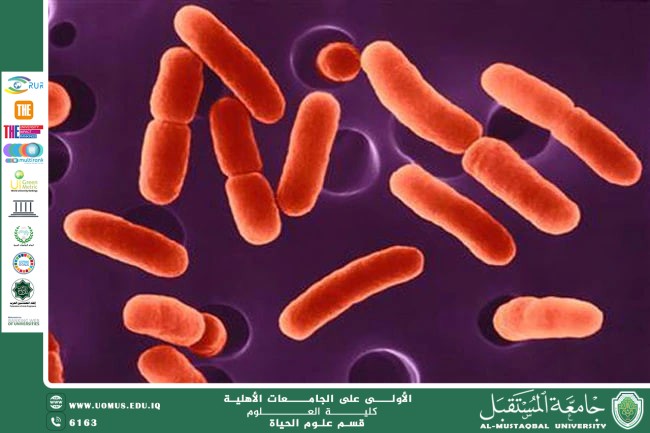
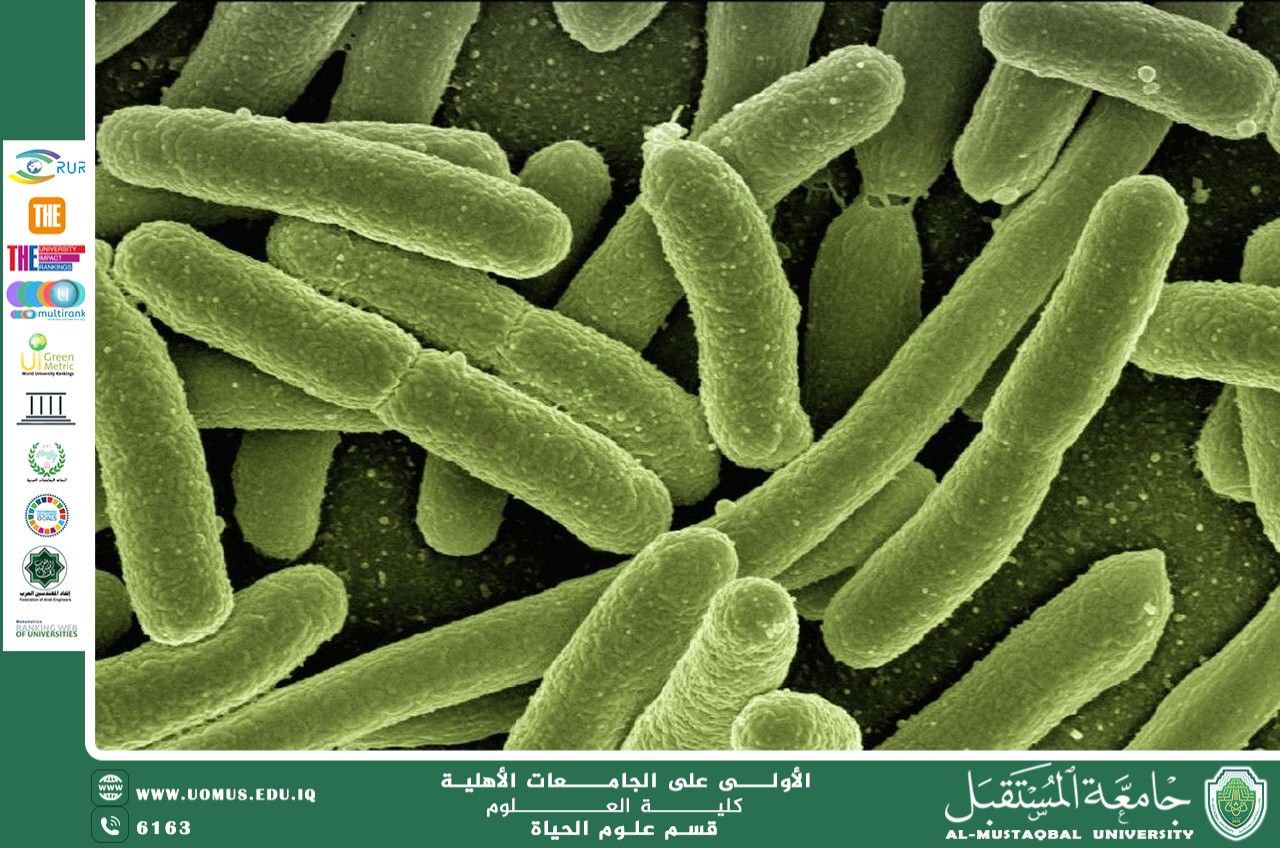
Decomposer bacteria are considered one of the most essential components of ecosystems due to their vital role in recycling nutrients and maintaining environmental balance. These bacteria live in soil, water, and the remains of plants and animals, where they break down complex organic materials into simpler compounds that other organisms can use.
The decomposition process begins when bacteria detect dead or decaying organic matter. They release specialized enzymes that convert proteins, fats, and carbohydrates into simpler substances such as ammonia, carbon dioxide, and mineral salts. This process is a crucial step in the “food cycle” and the “nitrogen cycle” within nature.
The activity of decomposer bacteria helps clean the environment of organic accumulations that may cause pollution or unpleasant odors. It also enhances soil fertility by releasing important nutrients like nitrogen and phosphorus, which are vital for plant growth. Without these bacteria, the remains of living organisms would accumulate in nature, food chains would be disrupted, and plant growth would be greatly reduced.
In short, decomposer bacteria are indispensable for sustaining life on Earth, ensuring the recycling of materials and supplying ecosystems with essential nutrients.
Al-Mustaqbal University is the first university in Iraq.