A scientific article by Lecturer M.M. Duha Salah Saheb entitled "The Relationship Between Health and Food Quality"
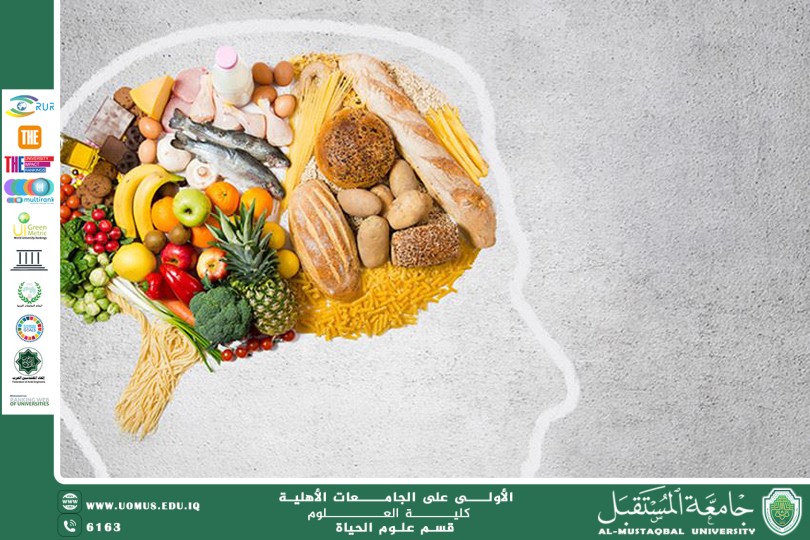
Food quality plays a crucial role in maintaining human health, as the type of food we consume directly affects body functions, immune strength, and disease prevention. Food is not only a source of energy; it is essential for building cells, renewing tissues, and maintaining biological balance.
1. The Impact of Food Quality on Body Health
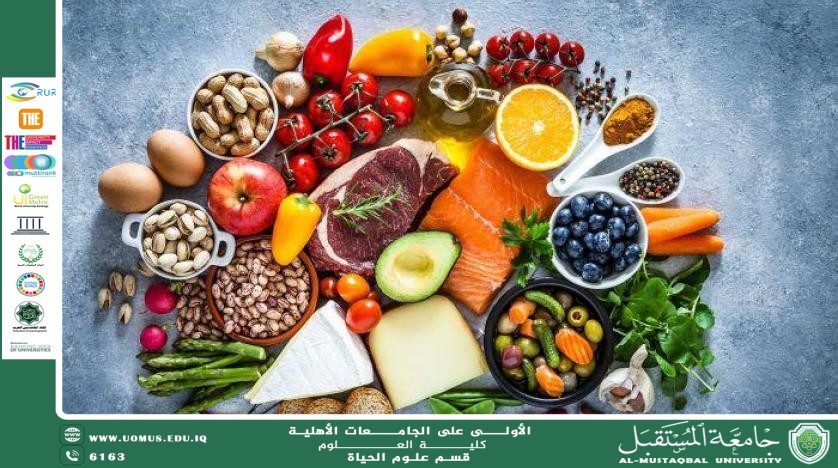
Healthy food rich in essential nutrients such as proteins, vitamins, minerals, and complex carbohydrates helps:
Strengthen the immune system.
Improve the digestive system.
Strengthen bones and muscles.
Increase energy and concentration.
On the other hand, consuming foods low in nutrients or high in saturated fats and sugars leads to:
Obesity.
Heart diseases.
Digestive disorders.
Weakened immunity.
2. The Role of Food in Disease Prevention
High-quality food acts as the first line of defense against diseases. For example:
Fruits and vegetables rich in antioxidants lower the risk of cancer.
Fiber-rich foods reduce colon diseases.
Low-salt and low-sugar foods protect against chronic diseases such as hypertension and diabetes.
3. The Impact of Food Contamination on Health
Poor food quality resulting from contamination leads to serious health problems, including:
Food poisoning.
Bacterial and viral infections.
Liver and kidney disorders.
Long-term immunity weakening.
Sources of contamination include improper storage, pesticides, chemical additives, or unsafe cooking practices.
4. The Importance of Choosing Safe and Healthy Food
To maintain good health, you should:
Eat fresh, natural foods.
Avoid processed food and fast meals.
Wash fruits and vegetables thoroughly.
Check product expiration dates.
Use healthy cooking methods such as grilling or boiling.
Al-Mustaqbal University is the first university in Iraq.