The lecturer in the Department of Archaeology, Assistant Lecturer Riya Nassif, writes an article titled ‘Religions in Ancient Civilizations: Between Polytheism and Monotheism"
Religions in Ancient Civilizations: Between Polytheism and Monotheism
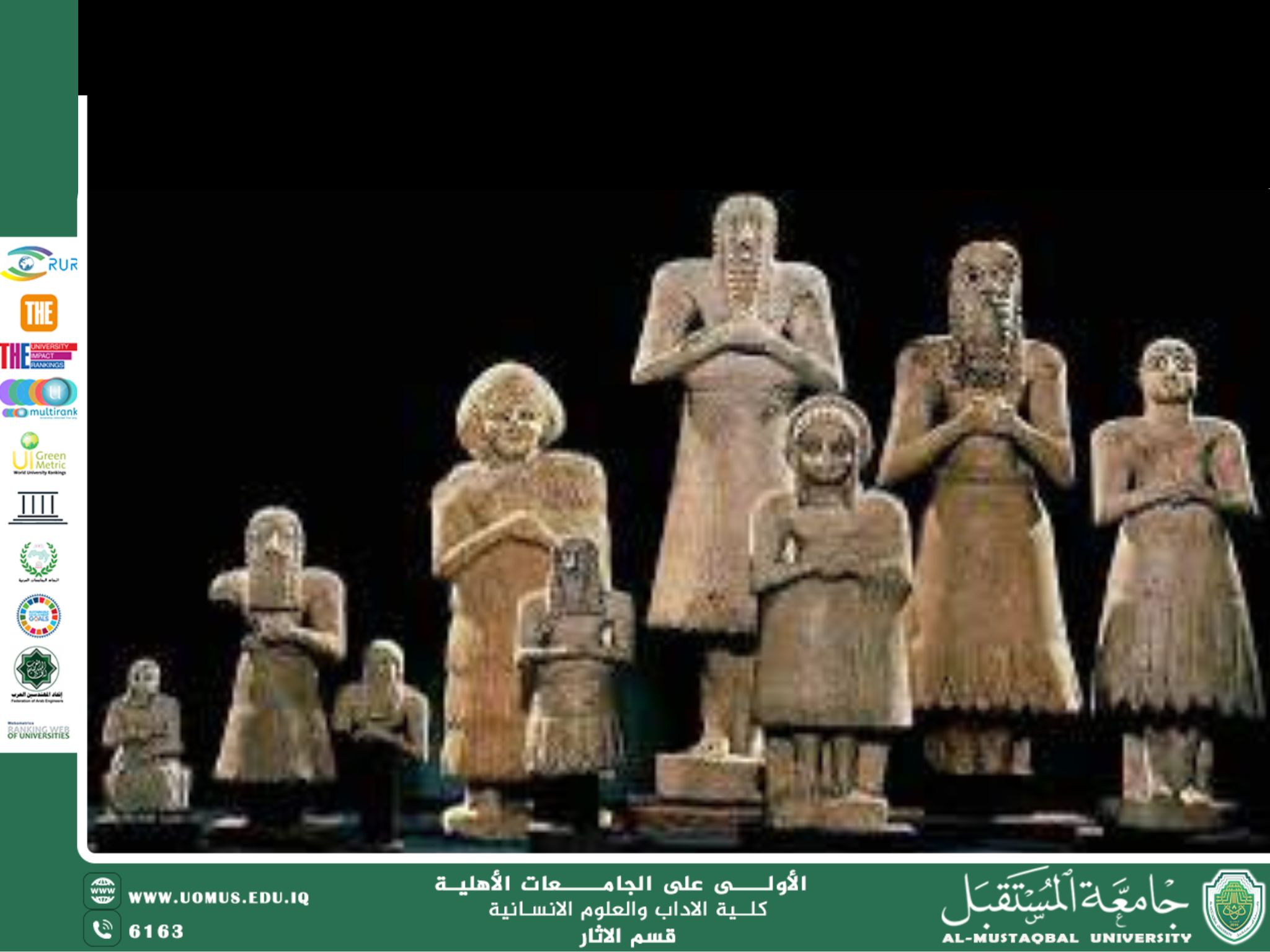
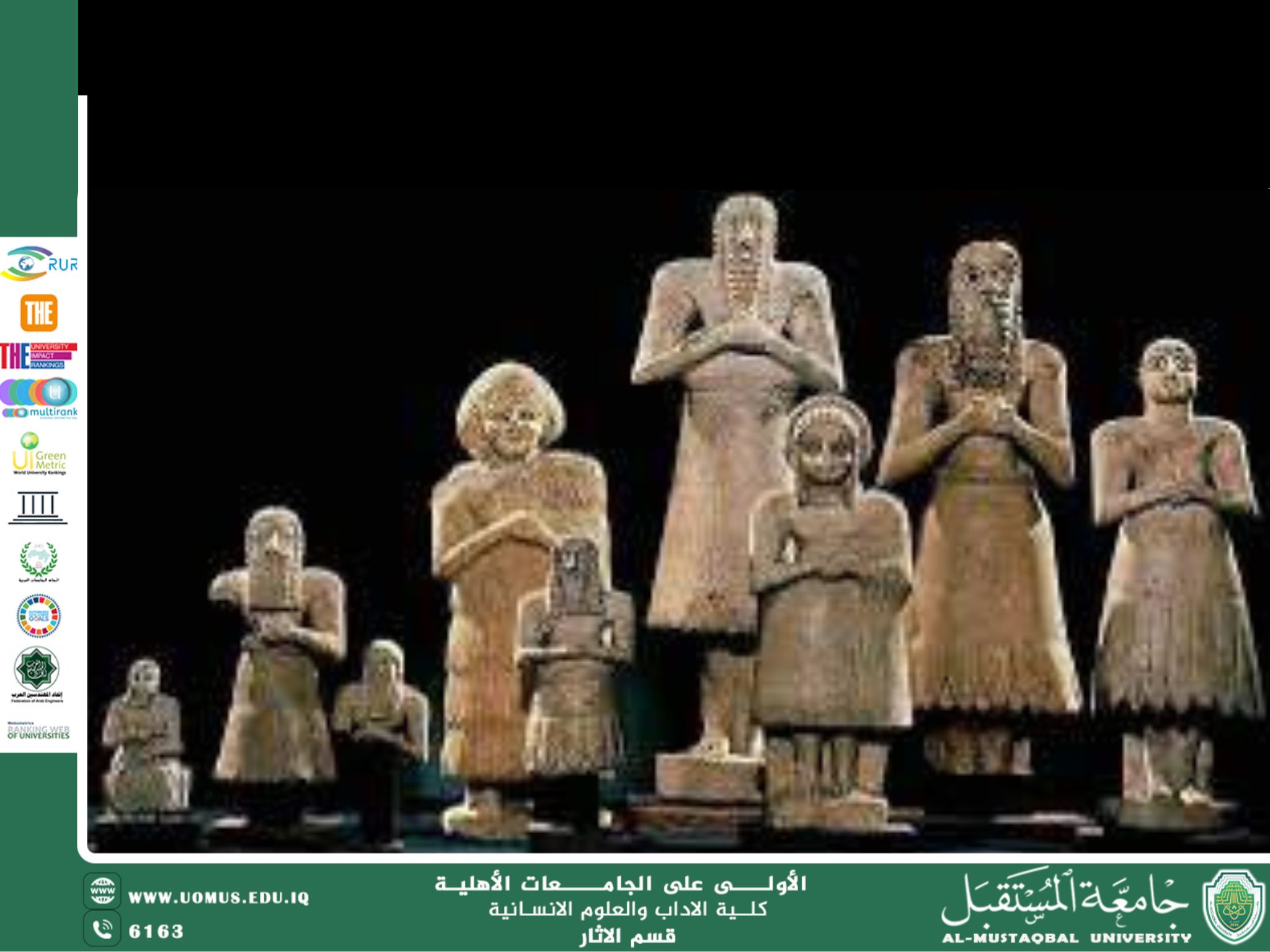
Religions in ancient civilizations formed one of the essential foundations for organizing society and legitimizing authority. These religions were initially characterized by polytheism, where deities were associated with natural forces and cosmic phenomena. In Mesopotamia, for instance, a diverse pantheon of gods was known, such as Enlil (god of air), Ishtar (goddess of love and fertility), and Shamash (god of the sun and justice). Each city had its own patron deity and a central temple.
In ancient Egypt, religion manifested in the worship of Ra, Osiris, Isis, and others, with the pharaoh regarded as the mediator between humans and the gods. In the Levant, deities such as Baal and Dagan appeared, while ancient Iran witnessed the development of Zoroastrianism, which reflected a dualistic worldview between good and evil.
As religious thought evolved, attempts emerged to move toward monotheism. Akhenaten’s reforms in Egypt (14th century BCE) represented the first official attempt to unify worship under a single god, Aten, although this reform collapsed after his death. In Iran, Zoroaster established a belief system centered on the worship of the one god Ahura Mazda, while retaining moral dualism as a defining feature. Judaism, however, represented the clearest embodiment of monotheism in the ancient Near East, as it affirmed the worship of a single god (Yahweh) and laid a philosophical foundation that later influenced Christianity and Islam.
Several factors contributed to the shift from polytheism to monotheism: social and political forces (such as the need for ideological unity supporting centralized authority), intellectual developments (the abstraction of the concept of deity), and cultural interactions. Thus, the history of ancient religions reveals that polytheism was an early response to understanding nature, while monotheism emerged as an intellectual and spiritual evolution toward unifying the sacred in a single, all-encompassing divine entity—paving the way for the rise of the major Abrahamic religions.
Studying religions in ancient civilizations highlights the deep connection between religious thought and social and political development. By tracing the transition from polytheism to monotheism, we gain insight into the dynamics of cultural change and its impact on shaping humanity’s spiritual and cultural identity. This field remains open to further research and discovery, especially with the growing archaeological and textual studies that continue to shed new light on the nature and evolution of early beliefs over time.