Predictive Algorithms in Disease Diagnosis: A New Era of Precision Medicine (M.M. Qusay Munir Diab)
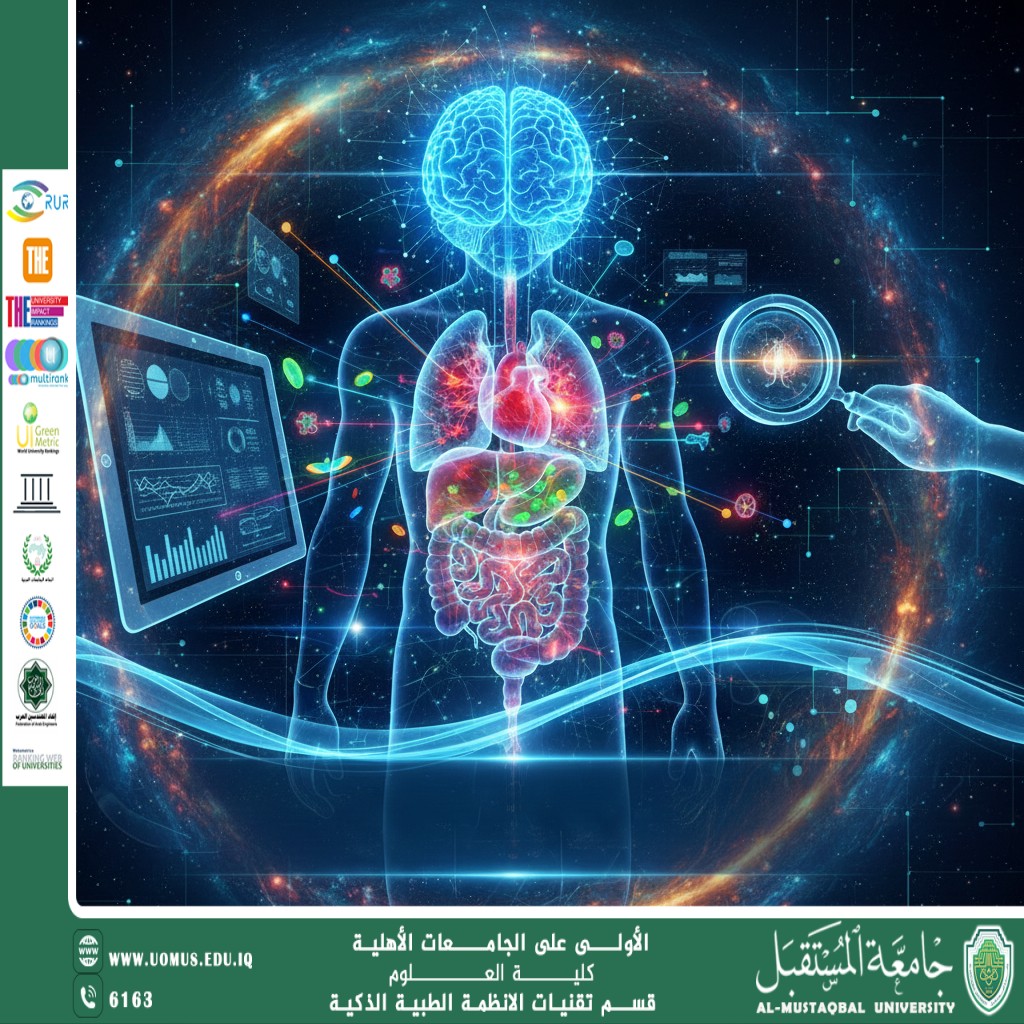
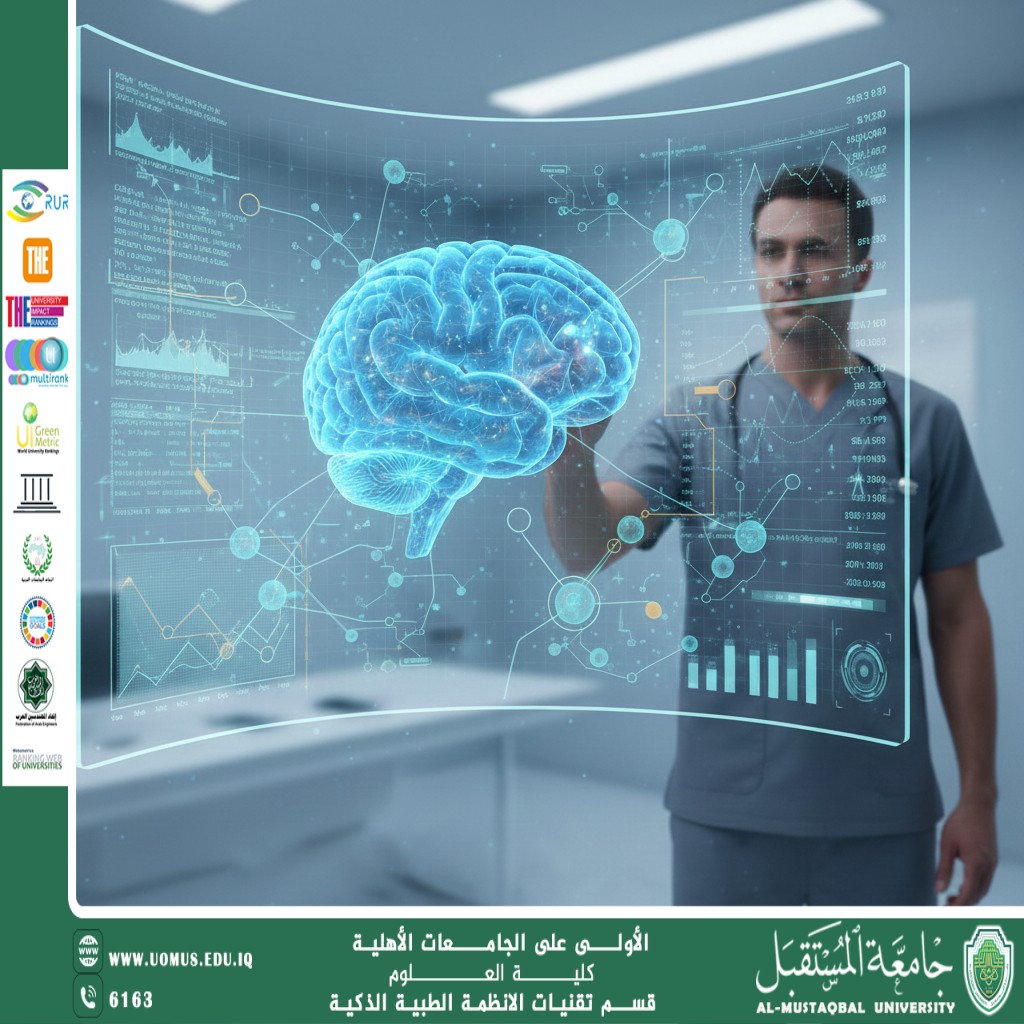
The healthcare sector is undergoing a rapid transformation toward the use of predictive algorithms as one of the most important tools of precision medicine. Artificial intelligence has become capable of analyzing massive medical datasets and identifying patterns that help physicians detect diseases before clear symptoms appear. These algorithms rely on machine learning and deep learning techniques, enabling AI systems to recognize hidden relationships within patient data such as medical images, electronic health records, vital signs, and laboratory tests.
The accuracy provided by these tools plays a crucial role in improving clinical outcomes, as they enable early diagnosis of complex diseases such as cancer, cardiovascular disorders, and neurological conditions. They also help determine the future risk of developing chronic illnesses, opening the door to proactive and personalized treatment plans.
In addition, predictive algorithms are used to enhance hospital efficiency by forecasting bed demand, patient admission rates, and potential risks during surgical procedures. Through their integration with smart medical systems, they contribute to a shift toward more precise, faster, and safer healthcare.
Thus, the use of predictive algorithms has become an essential part of the future of healthcare, combining scientific accuracy with advanced technology to deliver data-driven, preventative, and intelligent medical care.