A Scientific Article by Lecturer Abbas Hamza Khudhair Titled: The Relationship Between Hypertension, Diabetes, and Kidney Disease: A Biochemical Perspective
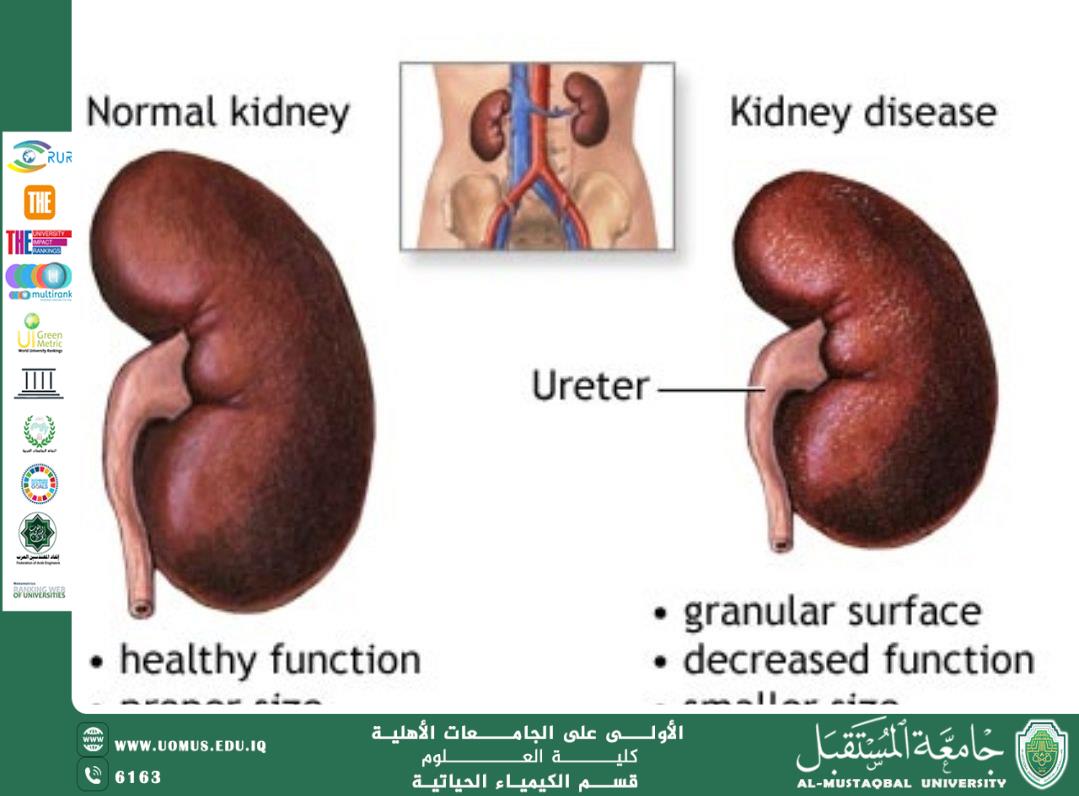
Chronic kidney diseases are among the most prevalent health disorders globally and are often associated with the presence of major risk factors such as hypertension and diabetes mellitus. From a biochemical perspective, these pathological conditions are interconnected through complex pathways involving inflammation, oxidative stress, and hormonal and molecular imbalances that affect the structure and function of the kidney's filtration units (nephrons).
First: Diabetes and Its Effect on the Kidneys
Chronic elevation of blood glucose levels leads to profound changes in the microvascular structures within the kidneys, including:
· Damage to the glomerular basement membrane due to the accumulation of Advanced Glycation End-products (AGEs).
· Increased pressure within the glomeruli, leading to proteinuria.
· Oxidative stress that promotes inflammation and progressively destroys kidney cells.
These mechanisms explain the onset of diabetic nephropathy, one of the most common causes of kidney failure worldwide.
Second: Hypertension and Its Effect on the Kidneys
Elevated blood pressure causes continuous strain on the walls of renal blood vessels, contributing to:
· Atherosclerosis of the microvessels within the kidneys.
· Vasoconstriction and reduced blood flow.
· Gradual deterioration of the kidneys' ability to filter waste.
Over time, this leads to renal dysfunction that may progress to chronic kidney failure.
The Interrelationship Between Diabetes, Hypertension, and Kidney Disease
These three conditions are linked in a vicious cycle:
1. Diabetes causes kidney damage, which reduces the kidneys' ability to regulate blood pressure.
2. Hypertension accelerates kidney damage in diabetic patients.
3. Deteriorating kidney function leads to the accumulation of fluids and salts, which raises blood pressure and complicates its control.
This intricate relationship makes the patient susceptible to a rapid decline in kidney function unless appropriate therapeutic measures are taken.
Shared Biochemical Mechanisms
These diseases are linked through common molecular pathways, including:
· Increased oxidative stress and accumulation of free radicals.
· Elevated inflammatory cytokines such as IL-6 and TNF-α.
· Dysregulation of the Renin-Angiotensin-Aldosterone System (RAAS).
· Thickening of the glomerular basement membrane.
· Loss of renal epithelial cells (Podocytes).
All these changes contribute to the deterioration of renal filtration and the loss of protein in urine.
Prevention and Control
Studies indicate that early control of causative factors provides significant protection for kidney function. Effective measures include:
· Regulating blood sugar levels.
· Controlling blood pressure using medications like ACE inhibitors.
· Reducing intake of salt and saturated fats.
· Engaging in regular physical activity.
· Drinking adequate amounts of water.
· Periodic screening of kidney function (Creatinine, eGFR, microalbuminuria).
Conclusion
The relationship between diabetes, hypertension, and kidney disease is interconnected and complex, based on precise biological interactions involving inflammation, oxidative stress, and microvascular dysfunction. The scientific understanding of this relationship forms the basis for designing effective therapeutic strategies to slow disease progression, protect nephrons, and improve patients' quality of life.
Al-Mustaqbal University is the top-ranked private university in Iraq.