Scientific Article by Lecturer Hanadi Tahseen Muslim titled: The Role of Biomarkers in Early Detection of Chronic Diseases
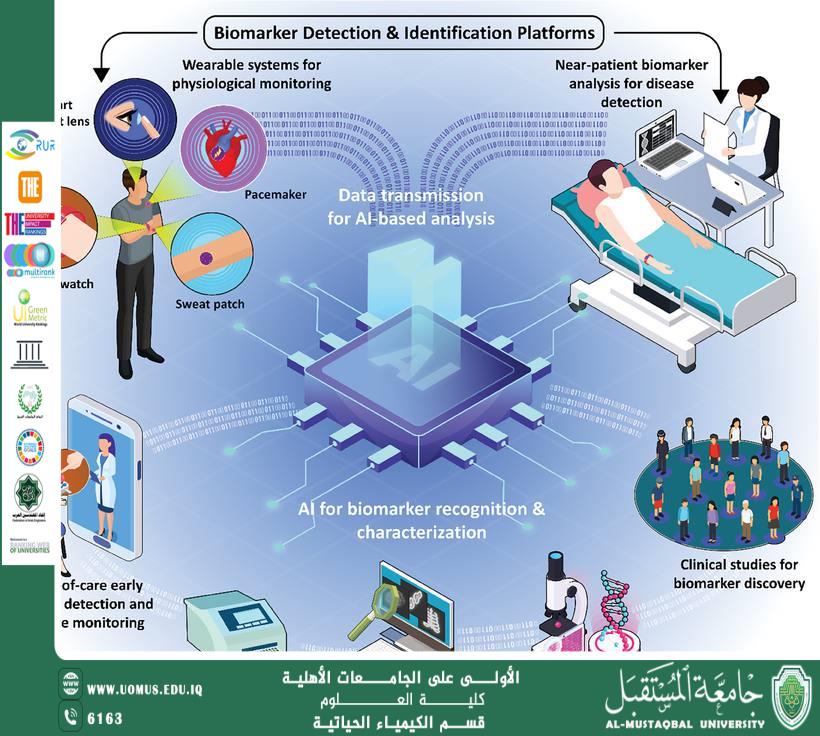
In the era of precision medicine and advanced prevention, biomarkers have become a vital tool transforming the face of medical diagnosis. These are measurable molecules in body fluids (such as blood or urine) or tissues that reflect the physiological or pathological state of the body. These markers allow for the detection of chronic diseases in their earliest stages, even before clinical symptoms appear, opening new horizons in personalized prevention and treatment.
Types of Biomarkers and Their Applications:
1. Protein Biomarkers:
· Such as C-Reactive Protein (CRP), which indicates inflammation in the body and is associated with cardiovascular disease risk.
· Prostate-Specific Antigen (PSA), used in assessing prostate cancer.
· Troponin, a crucial biomarker for diagnosing heart attacks.
2. Genetic and Molecular Biomarkers:
· Analyzing mutations in genes like BRCA1 and BRCA2 to predict the risk of breast and ovarian cancer.
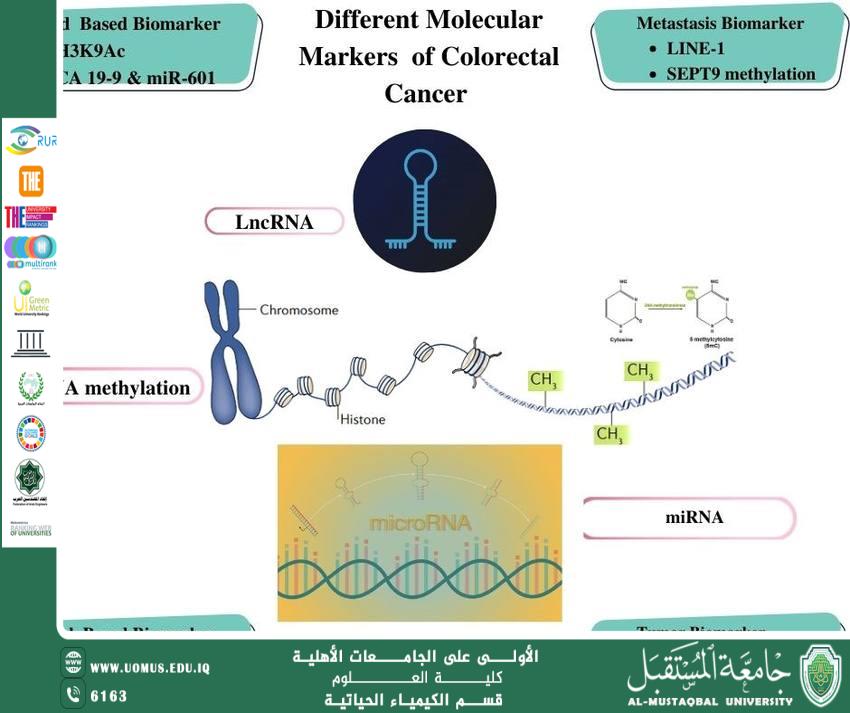
· Analyzing Ribonucleic Acid (RNA) or microRNA to detect early signs of cancer.
3. Metabolic Biomarkers:
· Measuring levels of Glycated Hemoglobin (HbA1c) for long-term diabetes control monitoring.
· Analyzing cholesterol and triglycerides to assess atherosclerosis risk.
The Importance of Biomarkers in Modern Medicine:
· Early Detection: Examples include using CA-125 with ultrasound imaging for ovarian cancer screening, or measuring neuropeptides to predict Alzheimer's disease before cognitive symptoms appear.
· Personalized Medicine: Biomarkers enable the design of customized treatments based on each patient's genetic and biological profile, as seen in targeted cancer therapies.
· Treatment Efficacy Monitoring: Such as tracking blood glucose levels to adjust diabetes medications, or measuring circulating tumor DNA (ctDNA) to monitor cancer tumor response to treatment.
Challenges and Limitations:
1. High Cost: Advanced biomarker tests can be expensive and not universally accessible.
2. Sensitivity and Specificity: Some biomarkers may yield false-positive or false-negative results (e.g., PSA, which can be elevated in non-cancerous conditions).
3. Biological Complexity: Biomarker levels can be influenced by factors such as age, sex, diet, and medications.
4. Ethics and Privacy: Particularly concerning genetic biomarkers that may reveal sensitive information about the individual and their family.
Conclusion:
Biomarkers represent a true revolution in the fields of preventive health and personalized medicine. Despite technical and economic challenges, their continuous development contributes to saving lives through early diagnosis, improving quality of life, and reducing the economic burden of chronic diseases. The future promises the innovation of more accurate and rapid biomarkers, leveraging artificial intelligence and advanced molecular technologies, bringing us closer to realizing the profound scientific meaning of the adage, "prevention is better than cure."
Al-Mustaqbal University is the top-ranked private university in Iraq.