Scientific Article by Lecturer Hanadi Tahseen Muslim titled: The Impact of Oxidative Stress on Human Health and Mitigation Strategies
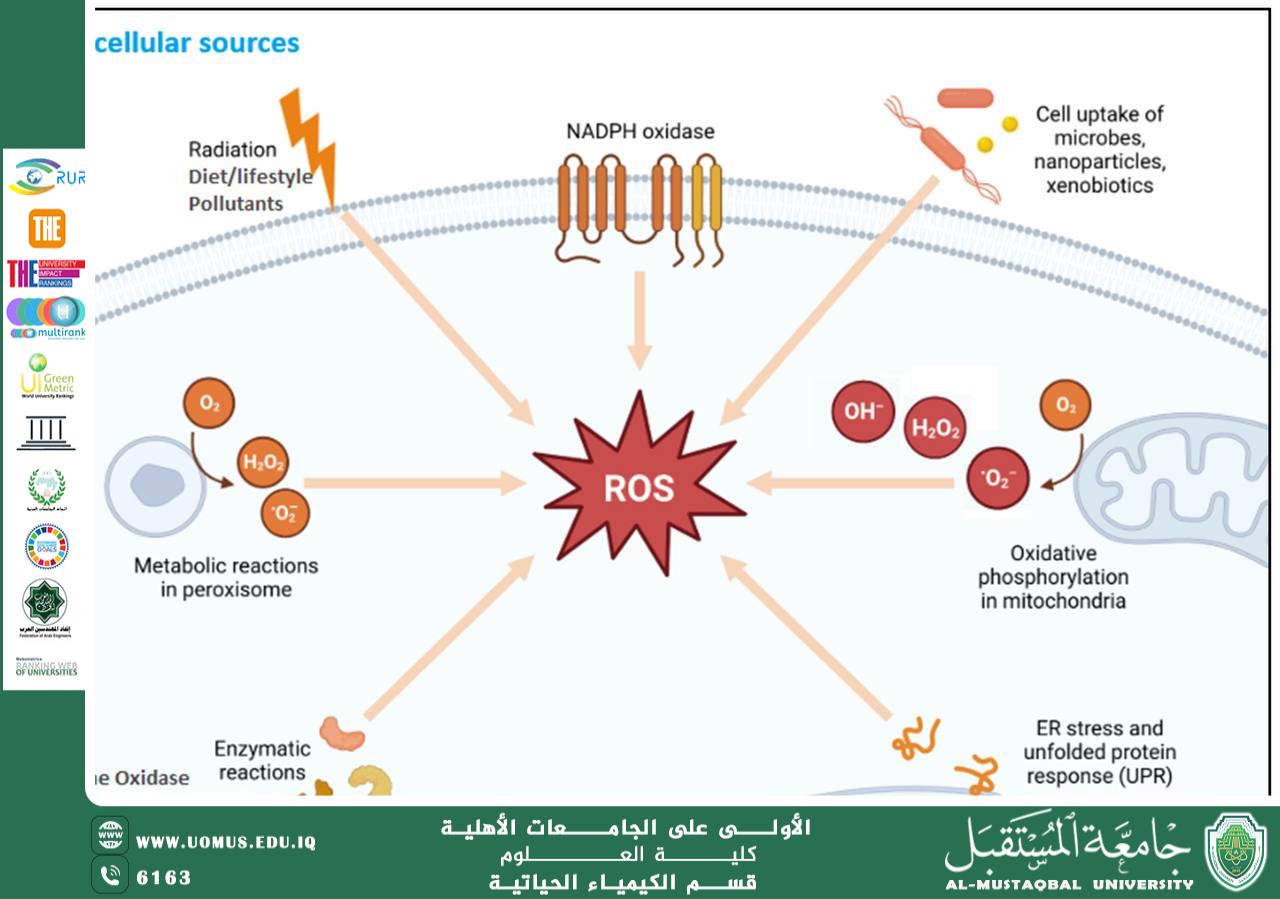
Oxidative stress is a state of imbalance between the production of free radicals (unstable molecules lacking an electron) and the body's ability to neutralize them using antioxidants. This imbalance results from internal factors (such as natural metabolic processes and inflammation) and external factors (such as exposure to pollution, ultraviolet radiation, and smoking). Failure to address this imbalance leads to cumulative cellular damage, accelerating aging and increasing the risk of chronic diseases.
1. Mechanisms of Oxidative Stress Generation in the Body
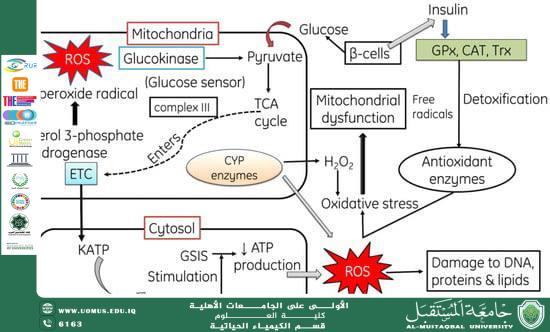
· Metabolic Processes: Free radicals are produced as byproducts during energy production in the mitochondria.
· Chronic Inflammation: Immune cells stimulate free radical production to combat infections, but excess production harms healthy tissues.
· Environmental Factors: Such as exposure to pesticides, heavy metals, and polluted air.
· Unhealthy Lifestyle: Including smoking, alcohol consumption, and unhealthy fats.
2. The Relationship Between Oxidative Stress and Chronic Diseases
Disease Mechanism of Impact
Heart Diseases Oxidation of LDL (bad cholesterol) contributes to atherosclerosis.
Cancer DNA damage caused by free radicals stimulates cancer cell growth.
Diabetes Oxidative stress weakens cells' response to insulin.
Neurological Diseases (e.g., Alzheimer's) Damage to neurons and accumulation of harmful proteins in the brain.
Premature Aging Degradation of collagen and elastin in the skin, leading to wrinkles.
3. Antioxidants: The First Line of Defense
Antioxidants are divided into:
· Endogenous Antioxidants: Produced by the body (e.g., glutathione, SOD enzyme).
· Exogenous Antioxidants: Sourced from food or supplements, including:
Type Dietary Sources Role
Vitamin C Citrus fruits, red bell peppers, strawberries Supports the immune system and regenerates vitamin E.
Vitamin E Nuts, vegetable oils, avocado Protects cell membranes from oxidation.
Polyphenols Green tea, berries, cocoa Reduces inflammation and protects blood vessels.
Carotenoids Carrots, tomatoes, spinach Protects the eyes and skin from oxidative damage.
4. Practical Strategies to Reduce Oxidative Stress
1. Follow an Antioxidant-Rich Diet:
· Consume 5 daily servings of colorful vegetables and fruits (e.g., spinach, berries, pomegranate).
· Add herbs and spices (e.g., turmeric, ginger, cinnamon).
· Replace saturated fats with healthy fats (e.g., olive oil, avocado).
2. Engage in Moderate Exercise:
· Activities like brisk walking or yoga (30 minutes daily) stimulate internal antioxidant production without increasing oxidative stress.
3. Reduce Exposure to External Factors:
· Use sunscreen.
· Avoid smoking and secondhand smoke.
· Choose natural, low-chemical cleaning products.
4. Manage Psychological Stress:
· Meditation, breathing exercises, and adequate sleep (7-8 hours per night) reduce cortisol, which elevates oxidative stress.
5. Regular Check-ups:
· Measure levels of glutathione or malondialdehyde (an indicator of cellular damage) in the blood for at-risk individuals.
5. Challenges and Future Recommendations
· Balance is Essential: Excessive antioxidants may cause a pro-oxidant effect.
· Avoid Random Supplements: It is preferable to obtain antioxidants from food unless a doctor recommends otherwise.
· Future Research: Focuses on developing smart antioxidants that precisely target affected organs.
Al-Mustaqbal University is the top-ranked private university in Iraq.