Forensic Science Laboratories (Asst. Prof. Dr. Sami Abdul-Hussein)
1. Document Examination
This unit analyzes documents such as handwriting, signatures, and typewritten materials to determine authenticity, authorship, and identity. The examination of questioned documents plays a crucial role in solving cases involving handwriting analysis, fraud, forgery, and identity theft.
2. Forensic Toxicology
This specialty focuses on analyzing body fluids and tissues to qualitatively and quantitatively detect drugs, their metabolites, alcohol, and other toxins that may have contributed to the commission of a crime or a death. Forensic toxicology is vital in determining the cause and manner of death in homicide, suicide, and accidental fatalities.
3. Forensic Chemistry
This unit uses chemical analysis to identify and compare substances such as drugs, explosives, and gunshot residues found at crime scenes. Forensic chemistry plays a key role in identifying suspects and providing evidence in drug-related crimes, terrorism cases, and firearm-related incidents.
4. Forensic Genetics
This unit examines DNA samples and body fluids to identify suspects, victims, and evidence in criminal investigations. DNA analysis is one of the most reliable and powerful forensic tools used in solving crimes and presenting evidence in the justice system.
5. Trace Evidence Chemistry
This unit focuses on analyzing microscopic physical traces such as fibers, hair, glass, and paint to match them with specific sources and provide evidence in criminal investigations. Trace chemistry is essential in solving hit-and-run incidents, burglaries, and sexual assault cases.
6. Fingerprint Examination
This unit analyzes fingerprints found at crime scenes to identify suspects and link them to specific offenses. Fingerprint analysis is one of the oldest and most reliable forensic techniques used in crime resolution.
7. Crime Scene Investigation
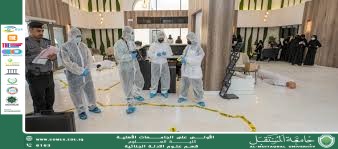
This unit collects and analyzes physical evidence from crime scenes, including DNA samples, body fluids, hair, fibers, and other trace materials. Crime scene investigation is essential for identifying suspects, reconstructing events, and providing evidence for criminal inquiries. A modern, fully equipped mock crime scene is also being developed to support world-class training and research for students and professionals.
8. Firearms and Toolmark Examination
This unit examines firearms, bullets, casings, and toolmarks to determine whether they were used in a crime and to match them to specific firearms or tools. Firearm and toolmark analysis is critical in solving homicide cases, robberies, and other gun-related crimes.
SDG4