"A Scientific Article by Lecturer Asst. Instructor Duha Salah Sahib Entitled: ‘The Role of Changing Climate in the Increase of Agricultural Pests and the Threat to Food Production Stability’"
Climate change represents one of the most influential factors affecting agricultural systems. Rising temperatures and fluctuating rainfall have contributed to the increased spread of agricultural insects and the emergence of new species in areas where they were not previously present.
These changes disrupt ecological balance, extending the activity periods of many pests and increasing their ability to survive and reproduce, making crops more vulnerable to infestation and loss.
Key climate-related impacts on agricultural insects include:
Increased Reproduction Rates
Higher temperatures accelerate the life cycle of many pests—such as fall armyworm and aphids—leading to rapid population growth.
Expansion into New Regions
Changes in temperature and humidity allow insects to migrate into cooler regions that were previously uninhabitable, resulting in unfamiliar pests and limited control methods.
Growing Resistance to Pesticides
Environmental changes contribute to the development of stronger resistance among insects to traditional pesticides, complicating control efforts.
Threats to Food Security
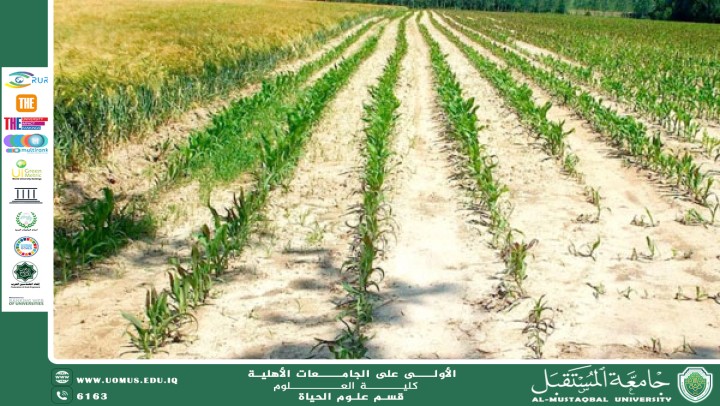
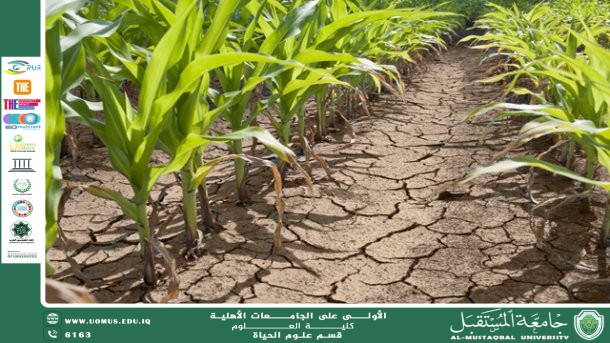
Due to increased infestation levels, the productivity of key crops such as wheat, corn, and vegetables declines, placing pressure on food security and causing price increases.
To address these challenges, it has become essential to adopt Integrated Pest Management (IPM) strategies, implement early monitoring techniques, develop resistant crop varieties, and support environmental efforts to mitigate the effects of climate change.