Scientific Advances in Medical Diagnostics: Towar vs com d Greater Accuracy, Speed, and Better Diagnosis
تاريخ النشر
الصنف
اللغة
الصورة
الملفات المسموح بها: JPG, PNG | الحد الأعلى 500 كيلوبايت | يجب أن تكون الصورة مربعة أو أفقية
الصور الإضافية (حتى 3) — مطلوبة صورة واحدة على الأقل
صورة 1
JPG/PNG ≤ 500KB
إزالة
صورة 2
JPG/PNG ≤ 500KB
إزالة
صورة 3
JPG/PNG ≤ 500KB
إزالة
إضافة مرفق
إضافةإلغاء
Introduction
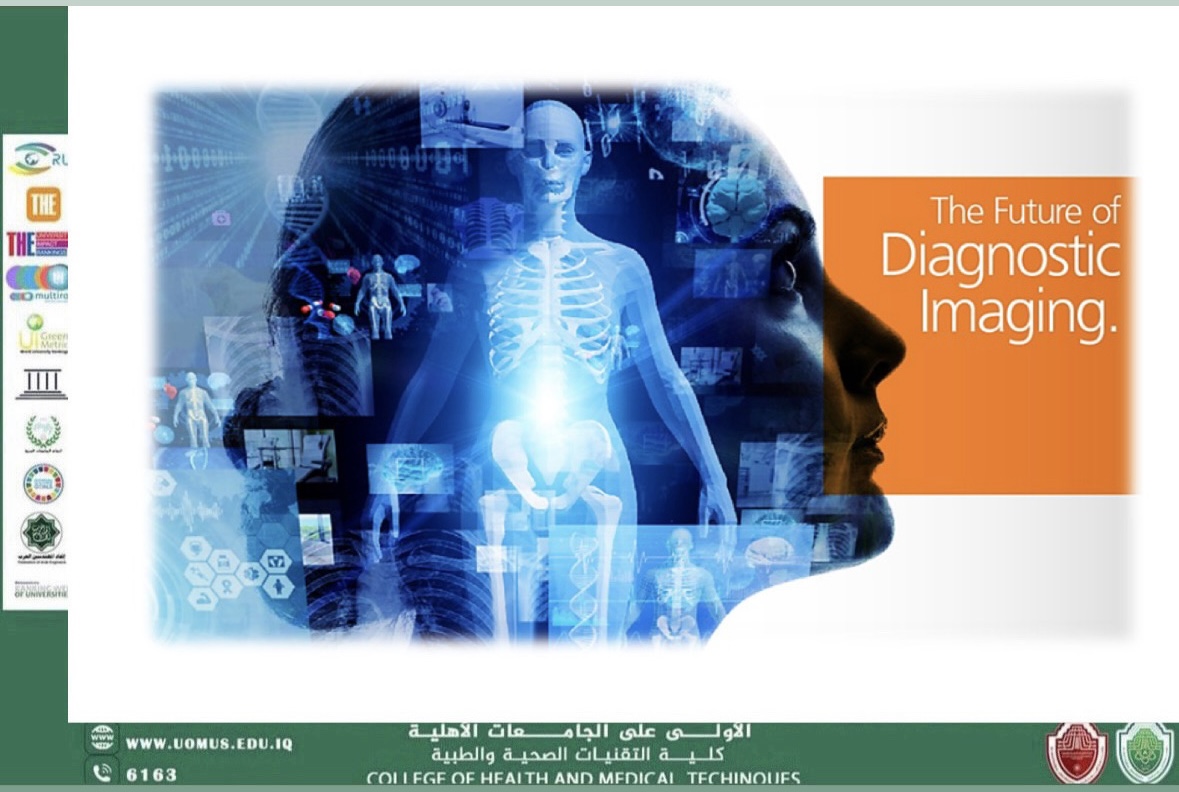
In recent years, significant developments have occurred in medical diagnostics, helping improve the quality of healthcare and reduce medical errors. This progress relies on integrating modern technology with medical sciences to provide more accurate and efficient diagnostic tools and techniques.
All scientific research conducted in these medical and diagnostic fields relies on data from individuals who are being diagnosed or have already been diagnosed. Therefore, it is essential to obtain informed consent from these patients to conduct such research, which ultimately contributes positively to society and supports scientific progress in diagnostic fields.
Fields of Technological Advancement and Scientific Research Supporting Medical Diagnosis
• Artificial Intelligence in Medical Diagnosis: AI has become an effective tool for analyzing medical data quickly and accurately.
• Medical Image Analysis and Algorithm Integration: AI is used to interpret X-ray and MRI images with accuracy that sometimes surpasses human capability.
Example: Tools like 'DeepMind' are used for early detection of breast cancer.
• Predictive Models: AI algorithms are used to predict disease progression based on patient data.
• Genetic and Molecular Diagnosis: The genomic revolution has significantly enhanced medical diagnostics.
- Genetic Diagnosis: It is now possible to detect hereditary and immune-related diseases through gene testing.
Example: PCR testing used to detect genetic mutations linked to diseases.
- Molecular Diagnosis: Used to identify fine biochemical changes that indicate diseases such as cancer or infectious conditions.
• Medical Imaging Technologies have witnessed remarkable progress, resulting in improved diagnostic accuracy:
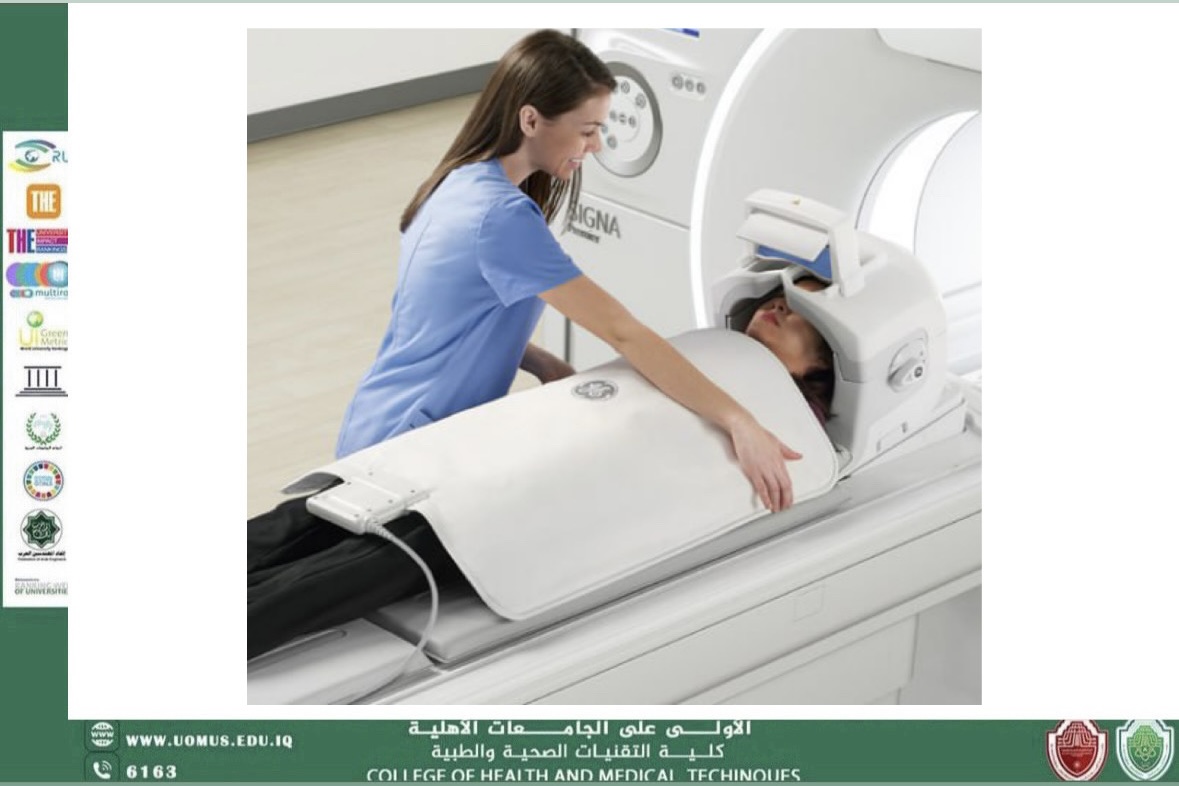
- Magnetic Resonance Imaging (MRI): High-resolution MRI devices are being developed to produce more detailed images of organs and tissues.
- 3D Imaging: Used to obtain three-dimensional views that allow clearer visualization of internal organs.
- Computed Tomography (CT): CT scans have become faster and safer through dose-reduction technologies.
• Portable Devices and Rapid Testing: New portable diagnostic devices and rapid tests are now widely used in remote areas and emergency situations.
• Nanotechnology in Diagnostics: Recently, nanotechnology has been used for early disease detection and is increasingly integrated with diagnostic devices.
- Nano-robots: Research is ongoing to develop tiny robots capable of analyzing tissues inside the body and detecting tumors.
• Digital Health, Big Data Analytics, and Easy Access to Patient Medical History:
- Electronic Health Records: Contribute to improved diagnosis through analysis of patient medical data.
- Big Data Analytics: Large volumes of patient data are collected and analyzed to identify disease patterns and causes more accurately.
Future Challenges and Ongoing Issues Being Addressed
Despite significant progress, diagnostic technologies face challenges such as:
• High cost: Advanced tools may be expensive and not widely available to all patients.
• Integration with healthcare systems: Introducing modern technologies requires adequate healthcare infrastructure.
Conclusion
Scientific advances in medical diagnostics open new pathways to improve healthcare through technologies that provide faster, more accurate diagnostics. With continued innovation, we can expect substantial transformations in how diseases are detected and treated, ultimately contributing to better recovery outcomes and a healthier society.
Asst. Prof. Mahmoud Abdelhafiz Kenawy