Celiac Disease
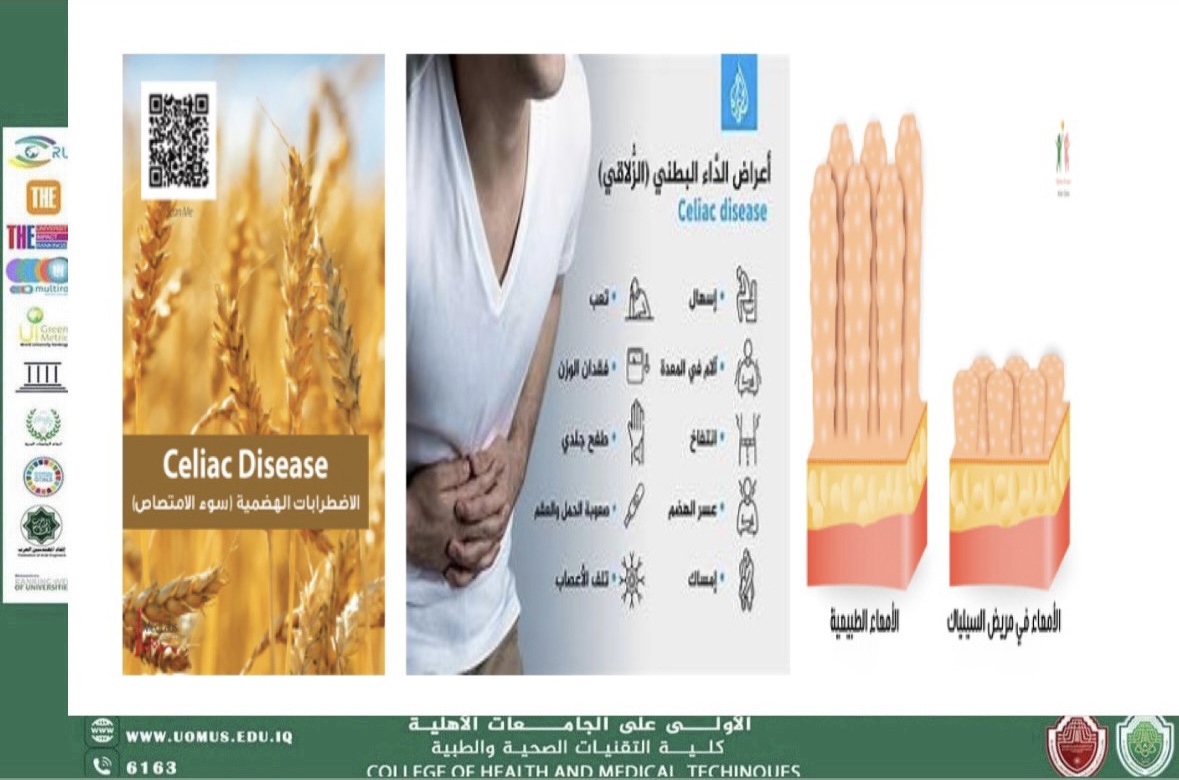
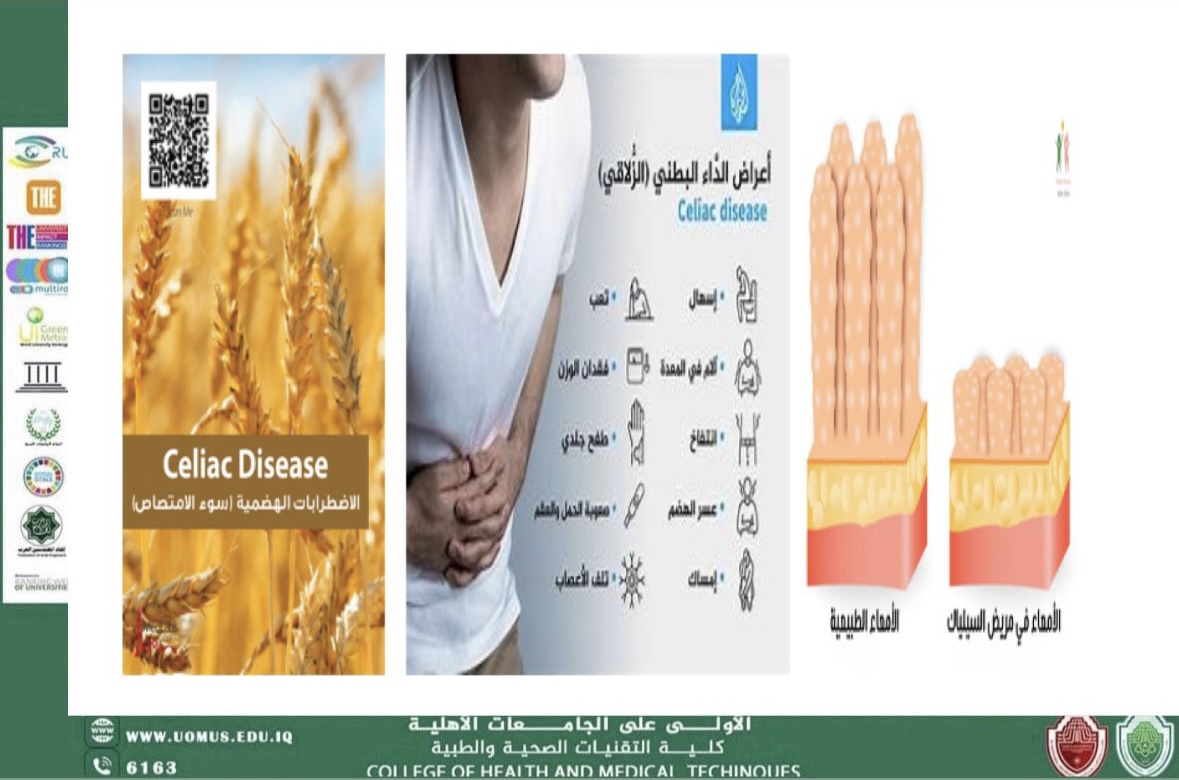
Celiac disease is an autoimmune disorder in which the ingestion of gluten leads to damae in the small intestine, particularly the villi. It affects genetically predisposed individuals and presents with a wide range of gastrointestinal and extra-intestinal symptoms.
Symptoms
Common symptoms include chronic diarrhea, abdominal pain, bloating, malabsorption, weight loss, anemia, fatigue, and dermatitis herpetiformis.
Diagnosis
Diagnosis involves serologic tests such as anti‑tTG antibodies, followed by confirmation with small intestinal biopsy.
Treatment
The primary and only effective treatment for celiac disease is a strict, lifelong gluten‑free diet. This means avoiding all foods containing wheat, barley, and rye. Oats are allowed only if certified gluten‑free. The intestines typically begin to heal within weeks of starting the diet. Nutritional supplements may be needed initially, such as iron, vitamin D, calcium, folate, and B12 depending on deficiencies. Patients should also avoid cross‑contamination and receive regular follow‑up to ensure mucosal healing.
Dr. Zainab ali
Al-Mustaqbal university is the top-ranked among Iraqi universities.