A Scientific Article by the Head of the Department, Prof. Dr. Younis Abdul-Ridha Al-Khafaji, Entitled: “Water Management in Healthcare: Between Resource Conservation and Safety Assurance”
While most water conservation efforts focus on domestic or agricultural use, the healthcare sector remains one of the largest and most complex consumers of water. Hospitals and medical centers consume vast amounts of purified and treated water to operate critical medical equipment, ensure environmental sterilization, and provide direct patient care. Here, water management emerges as a dual responsibility: protecting public health by guaranteeing water quality, and protecting natural resources by reducing waste.
⸻
The Dual Challenge: Quality vs. Quantity
1. Non-negotiable Quality:
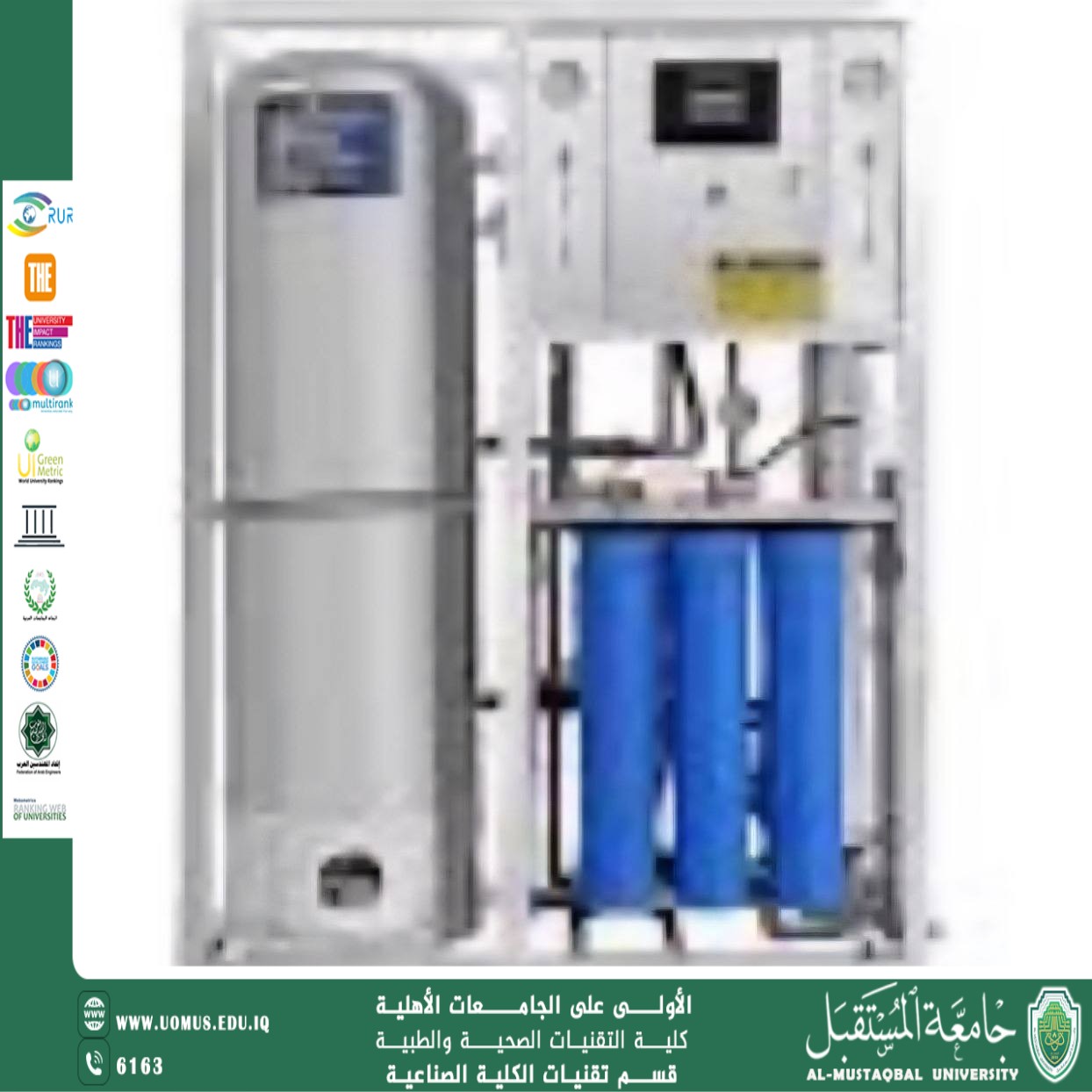
In many medical applications—particularly dialysis, surgical procedures, and instrument preparation—water purity must exceed that of standard drinking water. Any malfunction in purification systems, such as reverse osmosis (RO) units, can put patients’ lives at risk. Therefore, safety is the absolute top priority.
2. Massive Quantities Wasted:
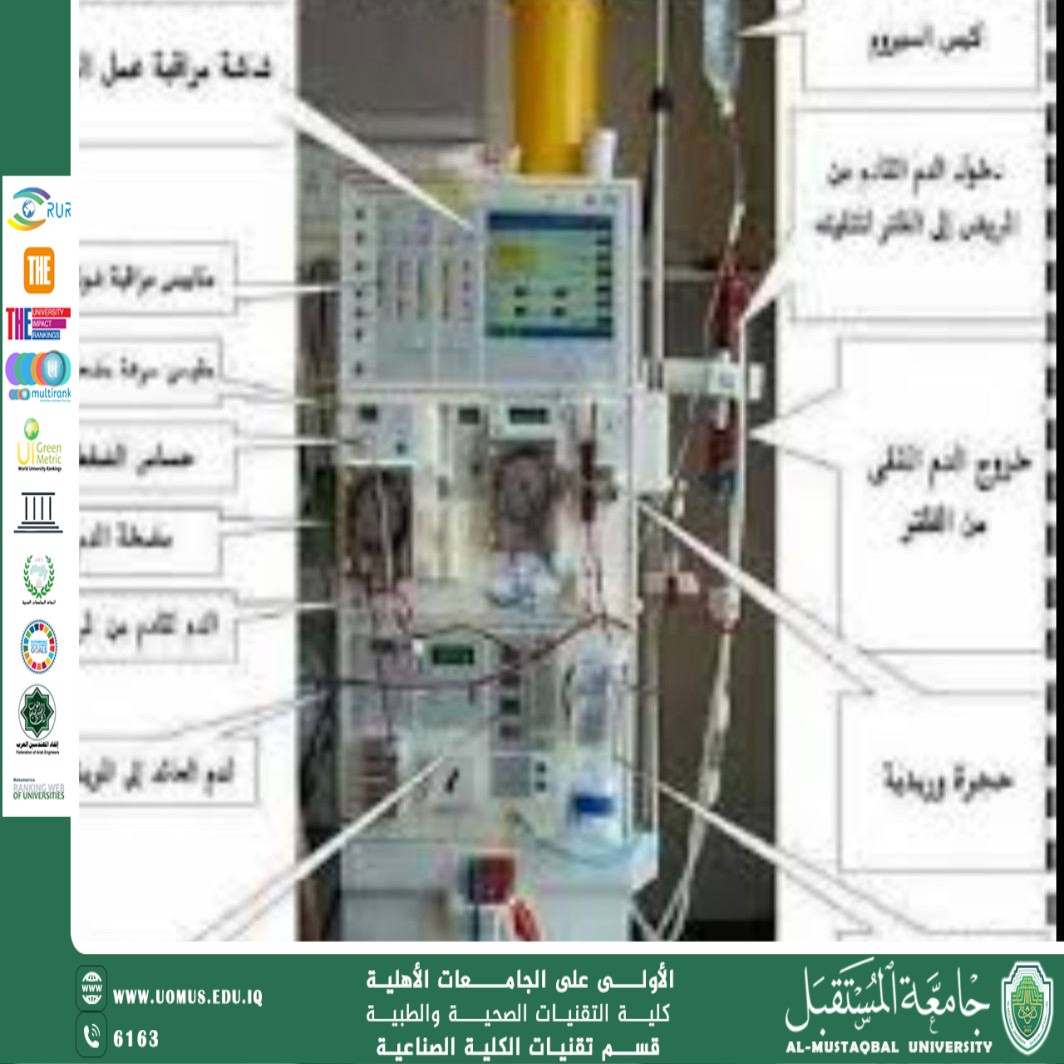
The paradox lies in the fact that processes designed to protect health often waste enormous volumes of water. A conventional dialysis machine, for example, may use between 120 and 250 liters of highly purified water in a single treatment session for one patient. Added to this is the water consumed in disinfecting equipment and rinsing between sessions.
⸻
Pillars of Effective Water Management in Healthcare Facilities
This paradox can be addressed through a smart strategy based on four key pillars:
1. Standardization and Monitoring:
• Establishing clear protocols for water-intensive operations such as sterilization and washing.
• Installing smart meters at major points of use (dialysis units, central sterilization departments, operating rooms) to identify high-consumption areas and detect leaks.
2. Investment in Technology:
• Transitioning to water-efficient medical devices, such as dialysis machines equipped with rinse-water reuse systems.
• Conducting regular maintenance of water treatment systems (RO) to ensure efficiency and reduce reject water.
• Exploring the reuse of greywater generated from certain processes (e.g., cooling water or initial rinse water) for non-medical purposes such as irrigation or floor cleaning, under strict controls to prevent cross-contamination.
3. Building an Institutional Culture:
• Training all staff—from technicians and nurses to cleaning personnel—on the importance of water conservation within their specific roles.
• Encouraging departments to innovate in reducing waste and linking these efforts to institutional performance goals.
4. Integrated Resource Management:
• Treating water management as an integral part of the hospital’s quality and safety management system, rather than an isolated technical issue.
• Assessing the hospital’s overall water footprint and working to reduce it, positively impacting both costs and environmental reputation.
⸻
Dialysis: A Model for Application
The dialysis unit represents an ideal testing ground for applying these pillars, where it is possible to:
• Optimize protocols for equipment rinsing and disinfection.
• Install modern devices that recycle water.
• Train technicians to detect leaks at an early stage.
• Reuse reject water from RO units for garden irrigation.
⸻
Article Conclusion
Water management in healthcare is not an environmental luxury; it is an ethical and economic necessity. It represents the delicate balance between ensuring the highest quality standards for patients and the optimal use of scarce resources. By adopting a systematic approach that combines advanced technology, robust protocols, and continuous awareness, hospitals and medical centers can set an example in safeguarding both human health and the planet. Investing in water conservation is, at its core, an investment in a more sustainable and resilient healthcare system.
Al-Mustaqbal University The First University in Iraq